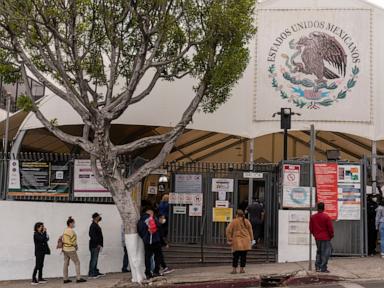
The State Department wants you to think it's just standard bureaucratic housekeeping. When Dylan Johnson, assistant secretary of state for global public affairs, dropped the news that the US is auditing all 53 Mexican consulates on American soil, he wrapped it in dry diplomatic language. He said the government is simply aligning foreign relations with the America First agenda.
Don't buy the boring spin. This isn't a routine paper-shuffling exercise. It's a calculated political squeeze play that targets Mexico's lifeline to millions of its citizens living inside the United States.
Secretary of State Marco Rubio is holding the scissors, ready to snip away at the largest foreign consular network in the world. If you think this is only about immigration paperwork, you're missing the bigger picture. This review represents the sharpest fracture in US-Mexico relations in decades. It blends hardline deportation strategies, a simmering intelligence war over cartel violence, and a looming battle over free trade.
The Boiling Point Behind the Diplomatic Audit
Diplomatic offices don't just get shut down because a new administration wants to reorganize its filing cabinets. Historically, closing a consulate is an aggressive act reserved for geopolitical enemies. The first Trump administration ordered Russia to shut its San Francisco consulate in 2017. It did the same to China's Houston office in 2020 amid fierce espionage disputes.
Targeting Mexico—Washington’s top trading partner—with this same heavy-handed tool signals a massive breakdown in trust.
The real catalyst isn't a sudden urge for administrative efficiency. It's blood. Tensions boiled over following a botched counter-narcotics operation in northern Mexico that left two American CIA officers dead. The tragedy triggered a quiet war between intelligence agencies. Under CIA Director John Ratcliffe, the US has aggressively expanded its surveillance operations, flying drones over Mexican territory and pushing deeply into local anti-drug units.
Mexican President Claudia Sheinbaum didn't take the American push lightly. She publicly questioned whether the dead CIA officers even had permission to operate on Mexican soil. Then the US retaliated, dropping drug and weapons charges against major Mexican political figures, including an extradition demand for Sinaloa Governor Rubén Rocha Moya.
By launching a sweeping review of Mexico’s diplomatic hubs, the White House is sending a clear, ruthless message to Sheinbaum. If Mexico pushes back on US intelligence operations or sovereignty, the US will strike at the very structures protecting Mexicans north of the border.
Choking the Legal Defense Pipeline
To understand why this review has triggered widespread panic in immigrant communities from Los Angeles to Fresno, you have to look at what these consulates actually do. They aren't just places to get a passport or register a birth, though they handle millions of those requests every year.
Right now, these offices serve as legal shield walls.
With the administration ramping up its mass deportation machinery, the consulates have shifted their focus to crisis management. Take the Los Angeles consulate, led by top diplomat Carlos González Gutiérrez. Since the immigration crackdown accelerated in southern California, consular staff have interviewed nearly 2,000 detained Mexican nationals to ensure their rights aren't trampled.
The Pew Research Center estimates that roughly 4.3 million undocumented Mexican immigrants live in the US. By threatening to shutter these offices, the administration is effectively trying to dismantle the legal defense infrastructure of those millions. If a consulate in an isolated agricultural area closes down, an undocumented farmworker who gets picked up by immigration enforcement loses their primary access to legal aid, emergency documentation, and family contact.
Fewer consulates mean a faster, quieter deportation pipeline.
Factoring in the Far Right Political Pressure
There is another layer to this audit that has very little to do with national security and everything to do with domestic politics. Conservative activists and writers like Peter Schweizer have been whispering a specific theory into the ears of Trump loyalists for months. The claim? That Mexican consulates aren't just processing passports; they're actively interfering in US elections and encouraging illegal migration.
Experts and former diplomats agree there's no real evidence backing this up. Sure, consular staff aggressively advocate for the labor and civil rights of their citizens, but that's literally their job description under international law.
Sheinbaum has hit back hard against these theories, calling the idea that her consulates are playing politics completely false. Former Mexican Ambassador to the US Arturo Sarukhan didn't hold back either, noting that this review hits at the absolute worst moment for bilateral relations in a generation. But in the current political climate, perception beats reality. The administration is more than willing to use right-wing talking points to justify squeezing Mexico.
The Looming Trade War Lever
If you want to know what happens next, look toward the upcoming renegotiation of the United States-Mexico-Canada Agreement (USMCA). The free trade deal is the lifeblood of both economies, and Trump wants massive concessions.
Squeezing the consulates gives Washington immense leverage. By keeping Mexico on the defensive regarding its immigrants, its sovereign borders, and its diplomatic presence, the US enters trade talks with a massive upper hand. Sheinbaum has tried to play nice so far. She's sent top officials to Washington and directed her military to crack down on cartels to avoid a head-on collision with the White House.
But her patience is wearing thin. She recently slammed the conditions in US immigration detention centers as unacceptable and incompatible with basic human rights. That's exactly why she ordered her consulates to step up their visits to these facilities—a move that undoubtedly irked American immigration officials and fast-tracked this State Department audit.
What You Should Do If You Rely on Consular Services
If you or your family members rely on a Mexican consulate for legal protection, documentation, or dual citizenship needs, sitting back and waiting to see what Marco Rubio decides is a terrible strategy. You need to act before the political axe falls on specific locations.
- Secure your documents immediately. Don't wait for your matricula consular or passport to get within a few months of expiring. Renew them now. If your local office gets caught in a shutdown order, booking an appointment at a surviving consulate hours away will become a logistical nightmare.
- Build a private legal safety net. Consulates offer incredible aid, but they are clearly under siege. Find local, trusted immigration non-profits and independent legal counsel. Do not rely solely on a foreign government's diplomatic office to protect you if immigration policies tighten further.
- Stay informed through official channels. Ignore the rumors flying around social media apps. Follow updates directly from the Mexican Foreign Ministry (SRE) and trusted regional advocacy networks to know exactly which offices face potential service reductions.
This consulate review is a high-stakes game of geopolitical chicken. The administration is testing how far it can bend Mexico before the relationship snaps completely. Securing your own legal paperwork and status right now is the only way to avoid becoming collateral damage in their fight.