Modern air travel relies entirely on an invisible contract of trust. You board a metal tube, strap yourself into a cramped seat, and place your life in the hands of two strangers locked behind a reinforced door. You assume they want to land safely just as much as you do. On September 30, 2026, that assumption shattered at thirty-four thousand feet.
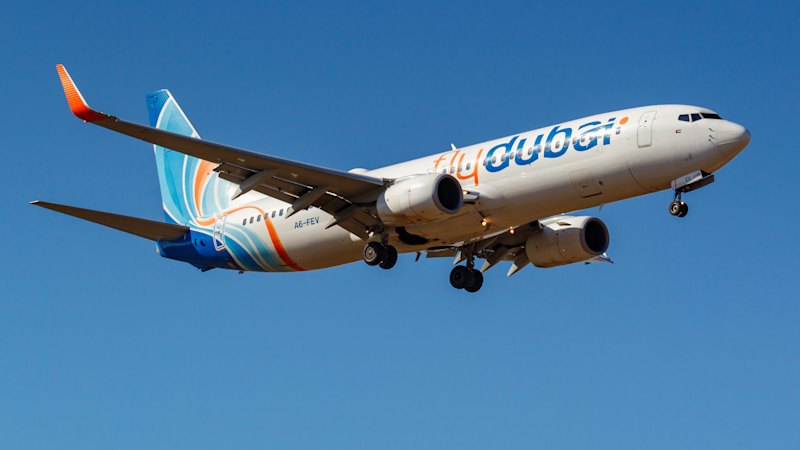
Flydubai Flight 1073 was supposed to be a routine three-and-a-half-hour hop from Dubai International Airport to Ben Gurion Airport near Tel Aviv. Instead, it became the site of a horrifying interior breach that triggered international panic, scrambled military jets, and exposed glaring vulnerabilities in commercial aviation security. If you think the biggest danger in the skies is turbulence or engine failure, you are looking in the exact wrong direction. The real threat is sitting right up front with the keys.
The Descent Into Madness Over the Middle East
The aircraft, a Boeing 737 MAX 8, departed Dubai at seven o'clock in the morning. Everything seemed normal during the initial climb and cruise phases. Passengers slept, read, or stared out the window at the desert expanse below.
Then the routine fractured into pure chaos.
Roughly an hour before its scheduled arrival, while cruising near the border of Saudi Arabia and Jordan, a brutal physical struggle erupted inside the cockpit. First Officer Hamam al-Hammami allegedly turned on Captain Smit Machchhar, launching a violent knife and axe attack inside the confined flight deck. Witnesses and investigators later confirmed that the co-pilot wanted to seize absolute control of the aircraft and deliberately crash it.
As the fight raged, the autopilot disengaged or was overridden, sending the Boeing into a vertical nose-dive. The aircraft plummeted from approximately thirty-four thousand feet down to seventeen thousand feet in less than a minute. G-forces slammed passengers against their seats. Oxygen masks dropped. Panic ripped through the cabin as people realized they were plummeting toward the earth at terrifying speeds.
The structural stress on the airframe was immense. During that rapid, uncontrolled plunge, the aircraft exceeded its maximum design speed, causing the rudder to detach entirely. The plane was flying blind, battered, and bleeding altitude over foreign airspace.
Breaking the Barrier
Back in the cabin, the screams from the front became impossible to ignore. Passengers realized something catastrophic was happening beyond the reinforced security door.
Captain Machchhar, despite suffering serious stab wounds and fighting for his life, managed a heroic act of survival. Amid the blood and chaos, he forced open the latch on the cockpit door, leaving it cracked open enough for help to break through.
That single movement saved hundreds of lives.
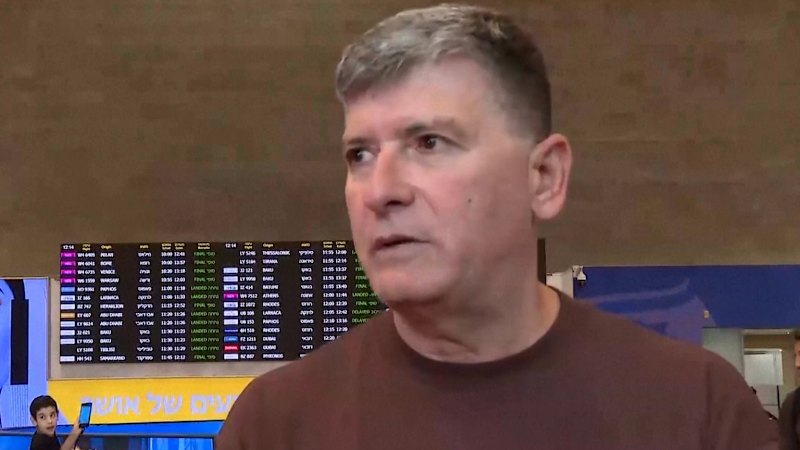
Passengers and crew members surged forward. A passenger named Hayoun, along with others on board, forced their way into the cockpit. Hayoun grabbed the attacker, put him in a chokehold, and dragged him out of the flight deck. Other passengers used headphone wires and cable ties to completely immobilize al-Hammami, who reportedly shouted for them to kill him as he was subdued.
With the attacker neutralized, the immediate crisis in the cockpit shifted to basic survival. The captain was incapacitated and bleeding heavily. Fortunately, other Flydubai pilots who were deadheading as passengers rushed to the flight deck. They took over the controls, stabilized the crippled aircraft, and wrestled it back under control.
The Geopolitical Nightmare in Saudi Airspace
Flying a commercial airliner with a wounded crew, structural damage, and a subdued attacker is stressful enough. Doing it while navigating intense Middle Eastern geopolitical fault lines is another level of nightmare entirely.
When the flight crew broadcast squawk code 7700 for a general emergency, followed quickly by code 7500 indicating unlawful interference or hijacking, radar screens across the region lit up. The Israeli Air Force scrambled fighter jets, fearing a rogue suicide aircraft barreling toward its territory given the flight's original destination.
The crew needed to land immediately. Captain Machchhar could not wait out another hour in the air. The plane turned toward Saudi Arabia, requesting emergency clearance. Initially, air traffic control in Saudi Arabia directed the flight away, telling them to wait or head toward Jordan. Refusing to accept a delayed death sentence, the pilot on the controls pressed forward, stating clearly that they had to land in Tabuk.
The aircraft touched down safely at Prince Sultan bin Abdulaziz Airport in northwestern Saudi Arabia. Emergency vehicles swarmed the tarmac. Saudi authorities took al-Hammami into custody immediately, while local medical personnel rushed to treat Captain Machchhar and the injured passengers.
What followed was a delicate diplomatic dance. Officials from Israel, the United Arab Emirates, and Saudi Arabia found themselves cooperating behind closed doors to piece together how an international flight could become the stage for an attempted mass-casualty attack. Investigations later revealed concerning digital footprints on the co-pilot's social media accounts, pointing toward radicalization and a premeditated plan to target Israel.
Why the System Failed to Catch the Threat
We spend billions of dollars on liquid restrictions, shoe scanners, and full-body imagers at airport security checkpoints. We treat every economy-class passenger as a potential criminal while completely ignoring the person sitting behind the locked cockpit door.
This incident exposes a gaping flaw in modern aviation oversight. How does a pilot with extremist leanings pass background checks and psychological evaluations? Aviation authorities love to talk about safety management systems, but they struggle heavily with the human element. Pilots undergo routine medical exams, but mental health monitoring remains remarkably primitive. Most carriers rely on self-reporting or superficial check-ins where pilots have every incentive to hide personal struggles, depression, or radical beliefs out of fear of losing their livelihoods.
When you lock two people inside a small room for hours at a time, isolation and psychological pressure can build up. If one of those individuals harbors malicious intent, the rest of the world is entirely at their mercy until physical violence breaks out.
Rethinking Cockpit Security and Crew Protocols
The post-September 11 era gave us reinforced cockpit doors designed to keep hijackers out. Those doors worked too well. They turned the flight deck into an impenetrable bunker. But what happens when the threat originates from inside the bunker?
Airlines must fundamentally rethink how cockpit access works during emergencies. Relying on a wounded pilot to manually open a heavy latch while fighting an armed colleague is a recipe for disaster. We need secondary verification protocols, smarter interior surveillance systems that allow airlines to monitor pilot incapacitation or sudden distress, and rigorous peer-review mechanisms among flight crews.
Furthermore, psychological vetting cannot stop at the hiring phase. A pilot's worldview can shift over years through online radicalization or personal crises. Airlines need continuous, non-punitive mental health support networks that encourage pilots to seek help long before they snap.
What This Means for Your Next Flight
You are still statistically safer flying than driving down your local highway. Commercial aviation maintains an incredible safety record precisely because hundreds of things go right on every single flight.
Even so, passengers boarding flights today carry a new awareness. The era of blindly trusting that the flight deck is a sanctuary of absolute calm is over. When you step onto a plane, you are putting your trust in the vigilance of the entire crew and, as Flight 1073 proved, the extraordinary bravery of ordinary passengers willing to fight back when everything falls apart.
Check your flight routes, stay aware of your surroundings, and remember that safety protocols are only as strong as the people enforcing them.