You've likely seen the chaotic footage by now. Smoke in the terminals, blurry videos of people running, and a flurry of "breaking" headlines about missiles hitting the world's busiest international hub. But if you're trying to figure out if it's safe to fly or when you'll actually get home, the sensationalist news isn't helping. Let's cut through the noise.
What actually happened at DXB
The reality is a mix of high-tension military action and remarkably effective emergency protocols. Early on March 1, 2026, Dubai International Airport (DXB) was caught in the crossfire of a massive regional escalation. Following strikes by the U.S. and Israel on Iran, Tehran launched a retaliatory wave of drones and missiles across the Gulf. Read more on a connected issue: this related article.
Official reports from the Dubai Media Office confirm that a concourse at DXB sustained minor structural damage. Specifically, the "incident" — a term used carefully by authorities — resulted in four airport staff members being injured. They've received medical care, and thankfully, no passenger fatalities were reported at the airport itself.
Why weren't there more casualties? Because Dubai didn't wait for the impact. They triggered contingency plans early, clearing most terminal areas of passengers as soon as the regional threat level spiked. It's a testament to how seriously this city takes its infrastructure, but it doesn't change the fact that the "linchpin" of global travel just took a physical hit. More reporting by Travel + Leisure highlights comparable views on this issue.
The bigger picture of the Gulf aviation blackout
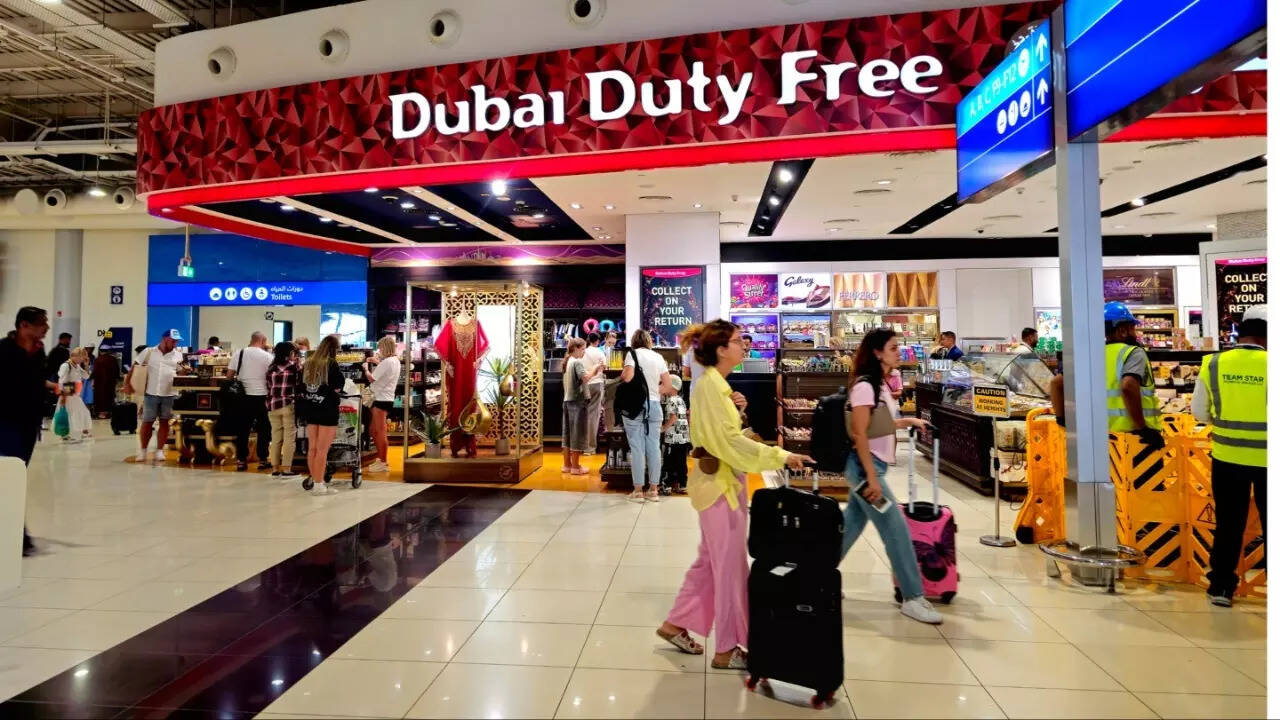
If you think this is just a Dubai problem, look at the flight maps. They're empty. Usually, 250,000 people move through DXB every single day. Right now, it's a ghost town. This isn't just about one damaged concourse; it's about a total airspace lockdown.
- Abu Dhabi (AUH): The situation was actually deadlier here. Debris from an intercepted drone killed one person and injured seven others.
- Other Hubs: Kuwait International and ports like Jebel Ali also reported strikes or fires from intercepted debris.
- The Iconic Landmarks: You might have seen the Burj Al Arab on fire in social clips. A drone interception caused shrapnel to hit the hotel's facade, though the fire was quickly put out.
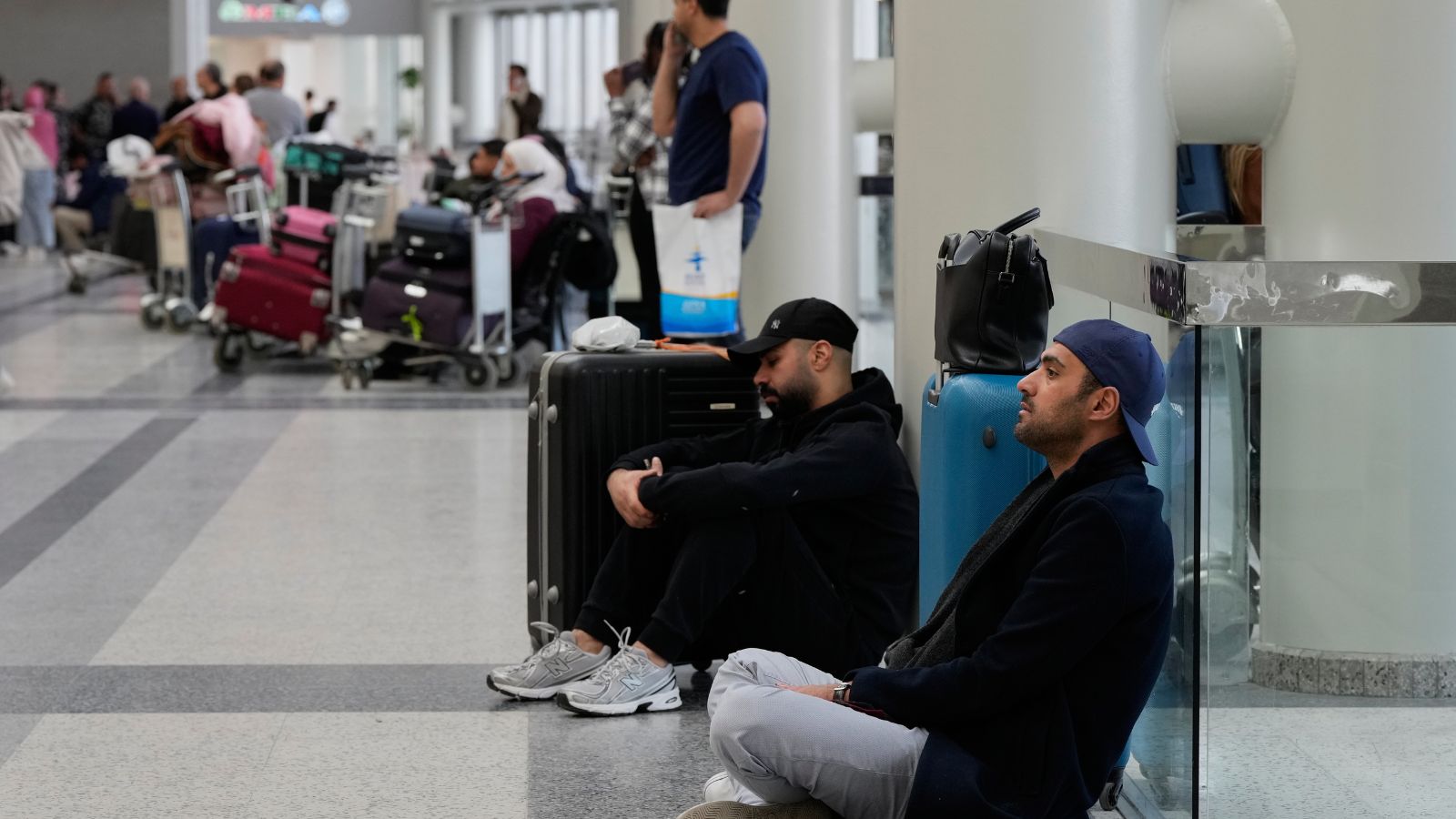
Airlines like Emirates, flydubai, and Qatar Airways have grounded their fleets. We aren't just talking about a few delays. We're talking about hundreds of thousands of people stranded in hotels or transit halls from Dhaka to London.
Is it safe to fly to Dubai right now
Honestly? No. Not until the airspace clears and the "tit-for-tat" military cycle pauses. Dubai is a secondary target in a much larger war, but as long as missiles are flying over the Gulf, no commercial pilot is going to risk a 777 in those corridors.
The UAE has issued emergency alerts directly to residents' phones, telling people to stay away from windows and seek shelter. If you're a traveler, your best bet isn't the airport lobby; it's a hotel room with a solid Wi-Fi connection.
How to handle your canceled Emirates flight
Don't bother calling the helpline. You'll be on hold for four hours only to get disconnected. The systems are overwhelmed.
- Use the App: Emirates and other major carriers are prioritizing automated rebooking through their apps. Check your flight status there first.
- Contact Your Insurer: This is a "Force Majeure" event or an act of war. Check your policy immediately. Most standard travel insurance has specific clauses about civil unrest and military action.
- Stay Put: Dubai Airports has explicitly told passengers not to come to the airport. Security is tight, and you won't get past the perimeter if you don't have a confirmed, active flight—which nobody has right now.
The "minor damage" at DXB is a signal of a massive shift in regional stability. While the airport will likely fix the physical holes in the concourse within days, the hole in the global aviation schedule will take weeks to patch.
If you're currently in Dubai, stay in your hotel. If you're abroad trying to get in, start looking at routes through Europe or North America that avoid Middle Eastern airspace entirely. The era of the "seamless" 14-hour layover in the Gulf is on a very violent hiatus.
Keep your phone charged and keep your passport on you. When the "all clear" sounds, the rush to the airport will be unlike anything we've seen since 2020. You'll want to be ready to move the second the first flight is cleared for takeoff.