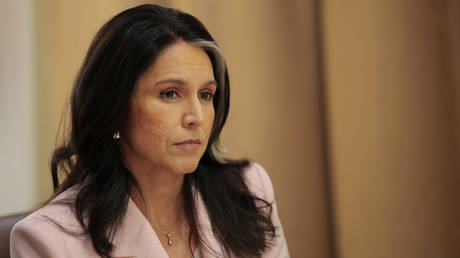
Tulsi Gabbard is out. The Director of National Intelligence announced she’s stepping down effective June 30, 2026. If you read the official statements, it’s a story about family and tragic health struggles. Her husband, Abraham Williams, was recently diagnosed with an extremely rare form of bone cancer. It's a brutal reality, and anyone would step away from public service to fight that battle.
But look past the official letters on X and Truth Social, and you find a much messier political divorce.
Gabbard isn't just a spouse stepping aside. She's the fourth female Cabinet official to leave Donald Trump’s second-term administration in less than three months. Her departure follows Homeland Security Secretary Kristi Noem, Attorney General Pam Bondi, and Labor Secretary Lori Chavez-DeRemer. Reuters reports she was forced out. Fox News and her official team point strictly to her husband's health.
The truth? It’s probably a mix of both, wrapped in a massive policy rift over the war in Iran.
Why the Iran War Broke the Intelligence Community
You can't understand Gabbard’s exit without looking at what happened behind closed doors when the administration decided to strike Iran. Gabbard is an Iraq War veteran. Her entire modern political brand is built on anti-interventionism. She hates foreign wars, and she hasn't been shy about it.
When the U.S. joined attacks on Iran earlier this year, Gabbard faced an impossible situation.
- She testified to Congress that Iran made "no efforts" to rebuild its nuclear program.
- Trump explicitly contradicted her, telling reporters, "I don't care what she said," and flatly stating "she's wrong."
- She was iced out of critical war planning meetings entirely.
When the head of your own intelligence agency tells Congress there’s no imminent threat, and the President launches a war anyway, the relationship is dead. Joe Kent, director of the National Counterterrorism Center, already quit in March because he couldn't support the war. Gabbard’s position became completely untenable.
The Chaos Inside the ODNI
White House officials had been grumbling about Gabbard for months. The Office of the Director of National Intelligence (ODNI) wasn't running like a tight ship.
Take the John F. Kennedy assassination files declassification. It was supposed to be a win for transparency. Instead, the sloppy process leaked highly sensitive personal data, including the Social Security numbers of living individuals. It infuriated career intelligence professionals.
Then there was her focus. Instead of focusing purely on foreign threats, Gabbard leaned heavily into domestic political fights. She got the ODNI involved in looking at voting materials from the 2020 election in places like Georgia and Puerto Rico.
Career spies hated it. They felt the agency was being weaponized for partisan politics. Senator Mark Warner didn't mince words after her resignation, saying the next DNI needs to restore trust and keep the office grounded in facts, not politically convenient claims.
What Happens Next on July 1
If you're watching the stability of U.S. intelligence, the transition period is what matters right now. Gabbard is staying until June 30 to manage the handoff. Aaron Lukas, the Principal Deputy Director of National Intelligence, takes over as Acting DNI on July 1.
Lukas is highly respected by career staff. Expect him to immediately try to lower the temperature in Washington, patch up relationships with the Senate Intelligence Committee, and refocus the agency on the ongoing conflict in Iran.
For everyday citizens and political observers, the play here is to watch who Trump fields for the permanent nomination. If he picks another political loyalist, expect a brutal confirmation battle in the Senate. If he picks a career intelligence professional, it’s a sign the White House wants to quiet the drama and focus on the war effort. Keep your eyes on the Senate hearings over the next month to see which way the wind blows.