Everyone loves a good outrage story. Put the words "fare hike" and "twenty seven percent" in a headline, and watch the outrage machine crank into overdrive. Commuters are furious. Editorial boards are clutching their pearls. Local politicians are rushing to microphones to decry an assault on the working class.
It is easy to point fingers at transit authorities and scream corporate greed or administrative incompetence. It is lazy. It misses the entire operational reality of how mass transit survives in a modern economy. For a deeper dive into similar topics, we recommend: this related article.
I have spent over a decade auditing municipal transit budgets and watching systems across the country slowly suffocate under the weight of political cowardice. Let us stop pretending that keeping fares artificially low is a public service. It is a slow-motion execution of the infrastructure we claim to value.
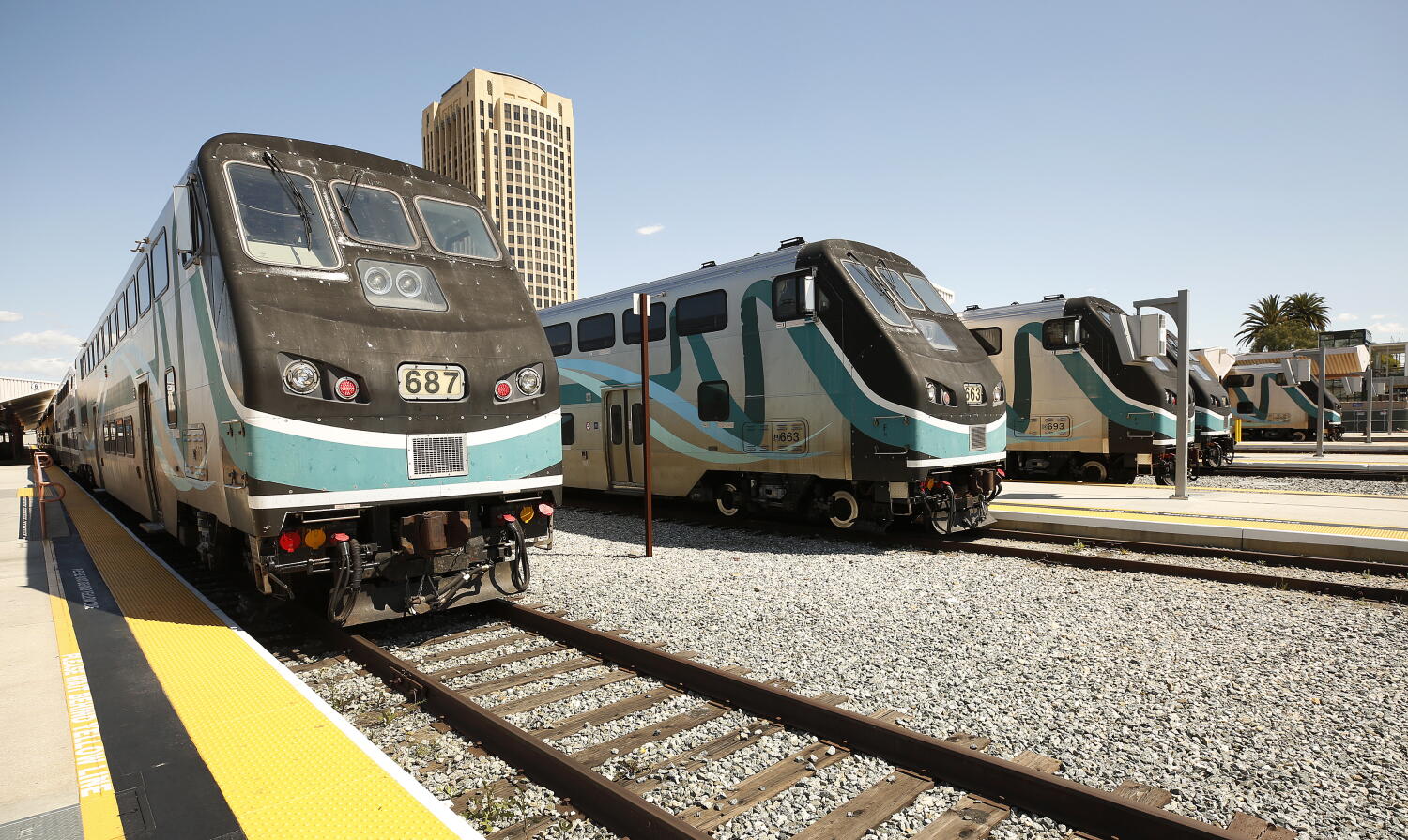
When a transit agency hikes fares by nearly a third, your immediate reflex is to assume you are being squeezed to pay for bloated executive salaries. Sometimes that is true. But in the case of Metrolink, the math tells a far more brutal, unavoidable story of deferred maintenance, inflation, and a broken funding model that relies on wishful thinking instead of actual revenue. For additional information on this development, comprehensive analysis can be read on MarketWatch.
For years, agencies have kept ticket prices artificially depressed to win political points. Politicians win elections by freezing fares, patting themselves on the back for supporting the working commuter. Meanwhile, the tracks degrade, the signal systems age out, and the rolling stock inches closer to catastrophic failure.
You cannot defy gravity forever. At some point, the bill comes due. A twenty-seven percent increase is not a sudden act of malice. It is a long-overdue collision with reality.
The Myth Of The Free Ride
Let us talk about the economics of transit. The lazy consensus assumes that public transportation should function like a public park—accessible, universally cheap, and heavily subsidized by the government.
Parks do not require millions of dollars in specialized steel, electrical catenary lines, unionized mechanical labor, real-time dispatching software, and constant safety overhauls. Trains do.
When fares remain stagnant while the cost of steel, electricity, labor, and safety compliance skyrockets, something has to give. Agencies are left with three choices: cut service frequency, degrade safety standards, or raise fares.
Cutting service destroys the utility of the network. If a train only comes every hour instead of every fifteen minutes, ridership collapses because the system becomes useless for modern work schedules. Compromising on safety is completely off the table. That leaves pricing.
By resisting fare increases, commuters are essentially voting for a ghost train—a system that is cheap on paper but unreliable, dirty, and unsafe in practice. You are paying with your most valuable non-renewable resource: time. A delayed train, a missed connection, or a system shutdown costs you far more in lost wages, missed meetings, and frayed nerves than an extra few dollars per ticket.
What The Coverage Misses About Subsidy Addiction
The loudest critics of the Metrolink hike argue that public transit should be fully funded by tax dollars.
Imagine a scenario where every mile of commuter rail is entirely subsidized by general fund taxes, eliminating the farebox entirely. Sounds utopian, right? Except it completely divorces the service from market feedback and ties its survival directly to the whims of legislative budget battles.
When transit relies entirely on tax subsidies, it becomes a political football. Every time a recession hits or a new legislature takes power, transit funding is the first thing on the chopping block. Ridership accountability disappears. When a customer pays a fare, they hold the operator to a standard of service. When transit is "free" or heavily subsidized to the point of irrelevance, the agency answers to bureaucrats, not the people sitting in the seats.
A higher farebox recovery ratio means the agency has financial independence. It means they can invest in cleaner stations, faster scheduling, and better security without having to beg city hall for a bailout every fiscal quarter.
The Uncomfortable Truth About Service Quality
Let us look at what happens when systems actually invest the money generated from painful price adjustments.
High-performing transit systems around the globe share one common trait: they charge rates that reflect the actual cost of operation, and in return, they deliver punctuality, cleanliness, and speed. You cannot have Swiss-level rail service on a bargain-bin budget.
If you want a system that runs on time, with modern cars and reliable infrastructure, you have to pay for it. The alternative is the slow death of a crumbling network where delays are routine and the experience is miserable.
Critics will claim that this price jump prices out low-income riders. That is a legitimate concern, and ignoring it would be intellectually dishonest. But the solution to transit affordability is not keeping the entire system on life support with artificially low fares that ruin the service for everyone. The solution is targeted low-income transit subsidies, transit vouchers, and means-tested assistance programs that direct relief specifically to those who need it, rather than giving a blanket discount to wealthy suburban professionals who can easily afford the real cost of their commute.
Universal subsidies are a blunt instrument. They help the impoverished worker, yes, but they also subsidize the commute of the high-earning corporate lawyer riding the exact same train. That is bad economics and bad social policy.
Stop Fighting The Math
You can rage against the board room. You can sign petitions. You can demand the heads of the transit executives on a spike.
None of it changes the ledger.
The twenty-seven percent hike is painful. It hurts the monthly budget. But it is the price of admission for a functional system in an inflationary world.
If you want a reliable ride, stop fighting the cost of the ticket and start demanding accountability for how every single dollar of that new revenue is spent. Hold them to higher standards of cleanliness, punctuality, and safety. Make them earn the increase.
Stop asking for cheap transit. Demand great transit, and be willing to pay for it.