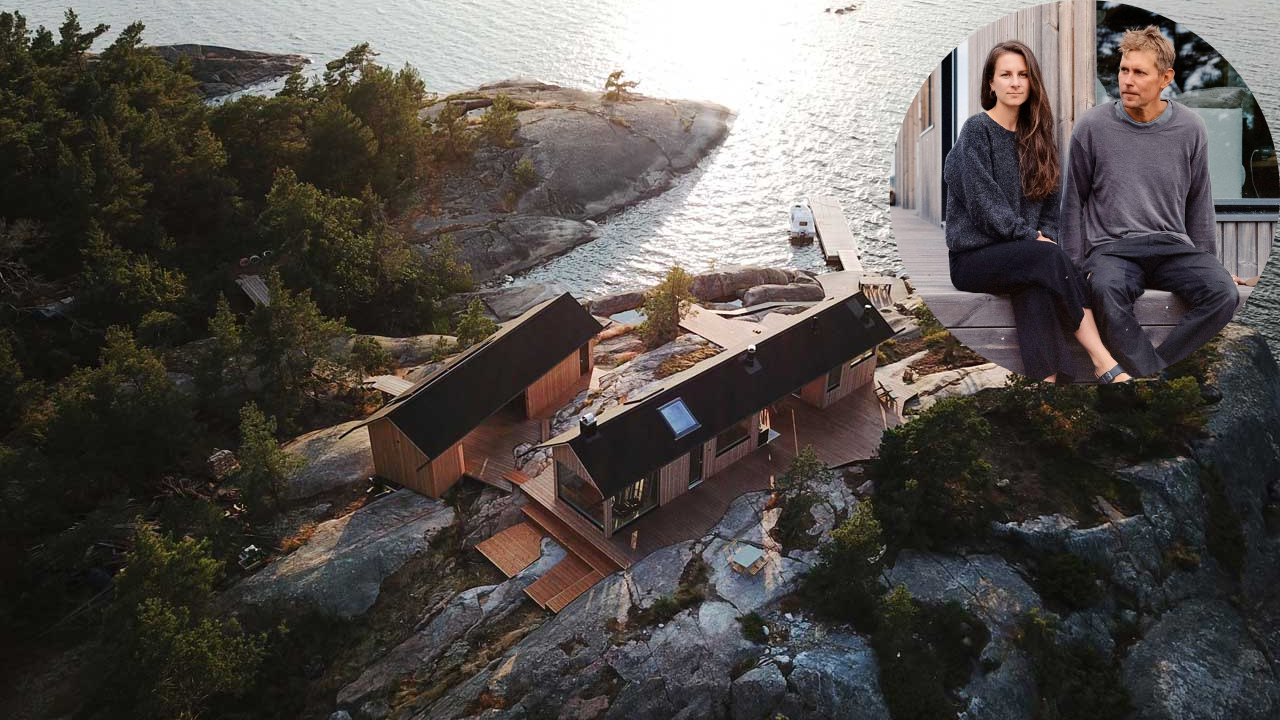
Scrolling through satellite imagery at midnight feels like a harmless trap. Most people lose twenty minutes to looking at their childhood home or checking out beach resorts they will never visit. A couple from Finland spent five years doing something entirely different. They treated online cartography like a treasure map.
They weren't looking for buried gold. They wanted a tiny piece of wild earth to call their own.
After thousands of hours staring at coastlines, lakes, and rocky outcrops, they spotted a tiny, uninhabited five-acre island tucked away in Finland's vast waterways. No roads. No electricity grid. Just pine trees, granite rock, and total silence. Buying it was only the beginning of a massive logistical puzzle. Building a modern, solar-powered home on an isolated rock in the Nordics requires stubborn patience, physical grit, and a complete disregard for traditional contractor timelines.
If you have ever daydreamed about ditching the city to build a remote sanctuary, the reality of doing it from scratch is much wildlier than the Pinterest boards suggest.
The Reality of Buying Remote Land Sight Unseen
Finding a plot of land on a digital screen is easy. Owning it legally and figuring out how to set foot on it without sinking your boat is where the headache starts.
Finland has thousands of inland lakes and coastal archipelagos. Many tiny islands are completely unregulated for residential use, while others come with strict environmental protections. You cannot just drag a bag of cement onto a pristine shore and start pouring foundations.
When the couple finally pinned down their five-acre canvas, they had to navigate local real estate laws, verify land ownership records, and figure out how zoning applies to uninhabited wilderness. Most people underestimate the sheer bureaucracy of rural property acquisition. You deal with municipal boards, island heritage rules, and local boating rights.
Then comes the physical assessment. Satellite pixels do not show you underwater rocks, shallow drop-offs, or the exact density of the tree canopy. The first time they visited their purchase in person, they weren't greeted by a manicured park. They found a rugged, overgrown rock pelted by wind and weather.
Designing for Extreme Off Grid Living
Building a house where the utility trucks cannot reach changes every single architectural decision. You cannot just order drywall trucks or concrete mixers to roll up your driveway. There is no driveway.
Every single nail, beam, solar panel, and plumbing fixture has to arrive by boat. That constraint forces brutal efficiency. If a material is too heavy to transport in a standard outboard motorboat or a small barge, you cannot use it.
Energy independence is non-negotiable in a location like this. Winters in northern Europe are brutally dark. Summer brings endless daylight, but winter turns the sun into a fleeting, low-hanging guest for just a few hours a day.
To make a solar home viable year-round on a remote island, you have to design around scarcity.
- Thermal envelope: Insulation has to be thick enough to trap body heat and wood-stove warmth without leaking energy.
- Solar array sizing: Panels need to be mounted at steep angles to shed snow and capture low-horizon winter rays.
- Battery storage: High-capacity lithium battery banks are essential to bridge the dark winter weeks.
- Backup systems: A reliable backup generator running on sustainably sourced biofuels is standard safety insurance.
Hauling Materials Without Infrastructure
Imagine trying to build a timber-frame cabin when your nearest hardware store is an hour away by car, followed by a twenty-minute boat ride through choppy water.
Logistics dictate your entire schedule. You watch weather forecasts like a commercial fisherman. A sudden autumn storm means your weekend delivery run gets cancelled. Ice formation in late autumn and spring creates a dangerous dead zone where boats cannot break through, but the ice is too thin to walk on safely.
The couple spent summers hauling lumber, insulation rolls, and tools piece by piece. They used small utility boats and makeshift rafts. They learned how to rig pulleys and winches to haul heavy timber up steep granite shorelines without destroying the local moss and lichen.
This is where digital dreaming hits physical reality. Your back hurts. Your hands blister. Power tools fail because of humidity or drained batteries. You realize why most people pay developers a fortune to build suburban boxes instead of hauling their own plywood across cold water.
Living With the Elements
Once the solar home was finished, the lifestyle shift was staggering. City noise vanishes completely. Your clock becomes the position of the sun and the direction of the wind.
Water comes from a rainwater collection system or a filtered lake intake, requiring regular pump maintenance and purity checks. Waste management requires composting toilets and careful greywater filtration so you do not pollute the delicate lake ecosystem surrounding your property.
You quickly learn respect for weather patterns. A sudden summer squall can trap you on the island for an extra day. If you forgot to buy milk, you drink your coffee black.
Yet the psychological payoff is enormous. There is a deep, quiet satisfaction in watching your battery monitor tick up on a bright afternoon, knowing that the light bulb above your head is powered entirely by the sky above your roof.
How to Start Your Own Off Grid Search
If looking at this Finnish success story makes you want to open Google Maps right now, pace yourself. Doing this successfully requires a methodical approach rather than a romantic impulse.
Start by defining your climate tolerance. Building an off-grid cabin in the Mediterranean involves completely different engineering challenges than surviving a sub-zero Scandinavian winter.
Research local zoning laws regarding "recreational" versus "permanent" building permits. Many regions allow simple seasonal shelters without permits, but full-time dwellings with solar and wastewater systems trigger strict municipal oversight.
Budget for the hidden costs. The land price is usually the cheapest part of an off-grid project. The real expenses are marine transport, specialized solar engineering, custom water filtration, and your own time lost to trial and error.
Start small. Rent a remote cabin for a month during the worst weather month of the year. If you still love it after weeks of managing your own power, hauling your own water, and watching the horizon for storms, then open the map and start searching.