You've likely seen the headlines about fireballs over Dubai or sirens in Abu Dhabi. It's easy to look at the grainy social media footage and think the West Asia conflict is spiraling out of control. But if you dig into the actual numbers coming out of the UAE Ministry of Defense this week, a much different story emerges.
On Monday and Tuesday, May 4-5, 2026, the UAE reported engaging a massive wave of 15 missiles and four drones launched from Iran. This follows a tense period where a fragile ceasefire—brokered by Pakistan back in April—started to look more like a suggestion than a rule. While the competitor news outlets are busy repeating government press releases, they’re missing the big picture: the UAE isn't just "engaging" these threats; it’s rewriting the book on how to survive a modern saturation attack.
The Reality of 90 Percent Interception
Let's talk about what "engaging" actually looks like on the ground. Since the conflict flared up on February 28, 2026, the UAE air defense network has intercepted over 549 ballistic missiles and a staggering 2,260 drones.
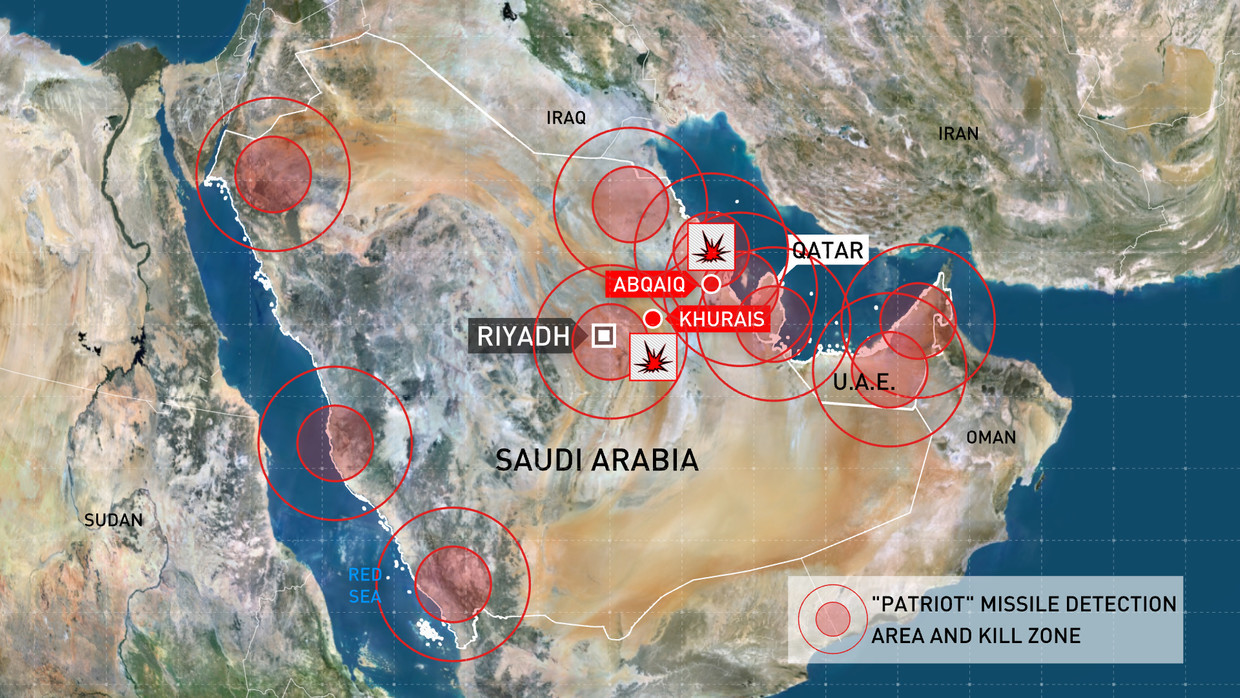
Honestly, those numbers are insane. Most military analysts previously thought a saturation attack of this scale would fold any defense system in the world. Yet, the combination of THAAD (Terminal High Altitude Area Defense) and Patriot PAC-3 batteries is holding a success rate north of 90%.
But here’s the catch most people get wrong. A 90% success rate still means 10% of those flying IEDs are causing problems. In the latest strikes, debris from an intercepted drone hit the Fujairah Petroleum Industries Zone. It started a fire and injured three Indian nationals. That’s the grim math of modern war: even when you win the tactical exchange, the falling scrap metal still draws blood.
Why Fujairah is the New Flashpoint
You might wonder why Iran keeps poking at Fujairah. It’s not an accident. Fujairah is a global bunkering hub and the UAE’s main outlet for oil that bypasses the Strait of Hormuz. By targeting this zone, Tehran is trying to prove that even a "naval blockade" or a "secure pipeline" can't protect the global energy supply if they decide to turn up the heat.
I’ve noticed a lot of chatter about the "minor damage" at Dubai International Terminal 3 or the fire at the US consulate. Don't let the "minor" label fool you. The goal of these strikes isn't always to level a building; it’s to hike insurance premiums, spook expats, and make the world think twice about the UAE’s stability.
The Cost of the Shield
We need to be direct about the economics here because they're unsustainable.
- An Iranian-made Shahed drone costs maybe $20,000 to build.
- A single Patriot interceptor costs roughly $4 million.
- A THAAD interceptor can run up to $15 million.
Iran is essentially throwing cheap "flying lawnmowers" at the UAE to force them to spend millions of dollars every few minutes. The UAE has already burned through hundreds of interceptors. While France has stepped in, deploying Rafale jets to protect bases like Al Dhafra, and the US is rushing in replacement batteries, the "cost-per-kill" ratio is heavily skewed in Iran's favor.
What You Should Actually Do
If you’re living in or traveling to the UAE right now, don't panic, but stop being a "spectator." One of the biggest mistakes people are making is running to balconies or windows to film the interceptions for TikTok.
When a THAAD missile hits a ballistic target 150km up, or a Patriot shreds a drone over the city, that material doesn't just vanish. It turns into supersonic shrapnel.
- Take the sirens seriously. If the app goes off, move to an interior room away from glass.
- Ignore the rumors. Telegram and WhatsApp are full of fake "imminent strike" warnings. Stick to the Ministry of Defense's official "X" (formerly Twitter) feed.
- Monitor Fujairah shipping. If you're in logistics, expect delays. Debris in the water near the Free Zone has slowed ship refueling operations significantly this week.
The UAE is currently the most defended airspace on the planet, but no shield is perfect. The defenses are holding for now, but as long as the "neither war nor peace" state continues, the rain of debris isn't stopping anytime soon.