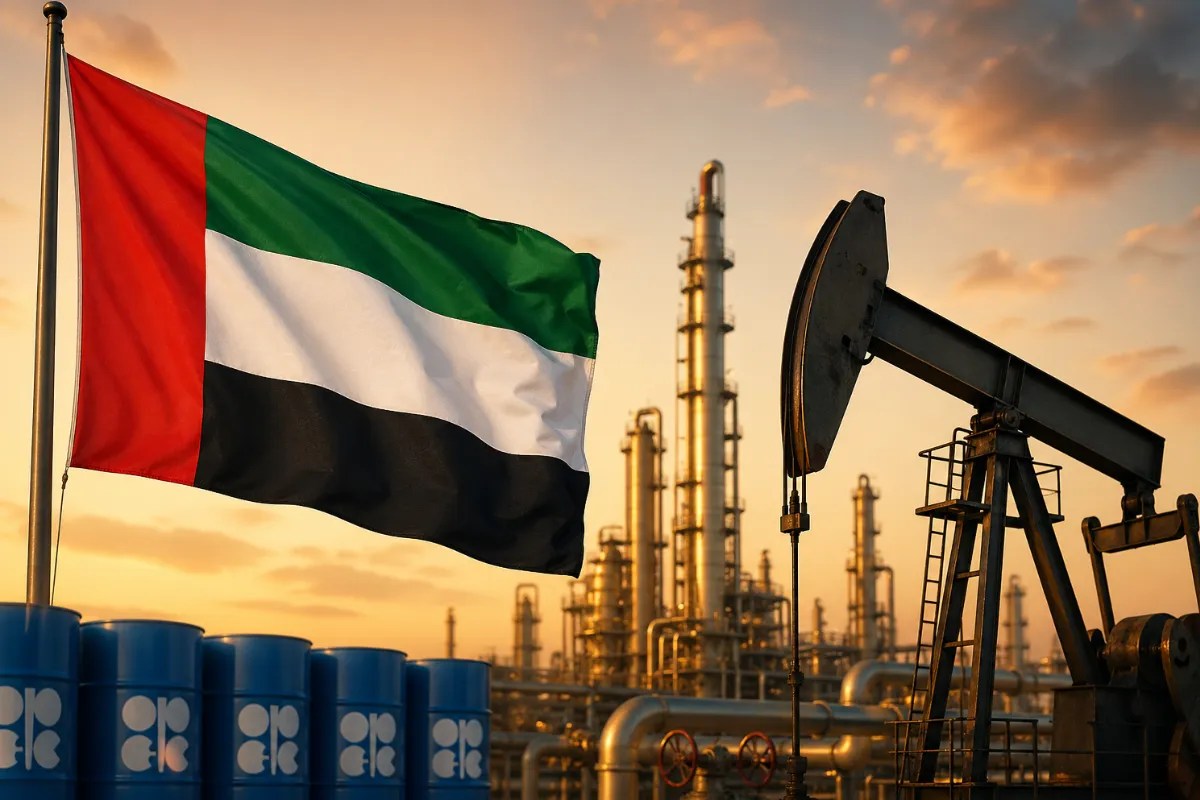
The United Arab Emirates just threw a massive wrench into the global oil machine. Everyone's talking about the UAE leaving OPEC, but most people are missing the real story. This isn't just about production quotas or oil prices. It's a calculated, high-stakes move that signals a total shift in how power works in the Middle East. While the world watches the Strait of Hormuz with bated breath, Abu Dhabi is playing a much longer game.
You’ve likely heard the surface-level reports. The UAE is frustrated. They’ve invested billions into expanding their production capacity and they're tired of being held back by a cartel that doesn't always align with their national interests. But if you think this is just a temper tantrum, you’re wrong. This is about survival in a post-oil world.
Why the OPEC Divorce is Happening Now
The UAE has spent years transforming itself into a global hub for trade and technology. They aren't just an oil state anymore. They’re a diversified economy that needs cash—and lots of it—to fund their "Vision 2031" goals. When OPEC+ forces them to keep their oil in the ground, it’s like telling a tech giant they can only sell half their inventory while their competitors catch up. It doesn't make sense for them anymore.
Saudi Arabia and the UAE used to be inseparable. Not lately. There’s a growing rift between Riyadh and Abu Dhabi over everything from Yemen to economic competition. Mohammed bin Zayed (MBZ) is carving out a path that prioritizes the UAE’s specific needs over the collective "brotherhood" of the cartel. Honestly, it’s a smart move. Staying in OPEC means tying your hands to a group dominated by Saudi interests. Leaving means freedom.
The Hormuz Factor and Maritime Reality
While the headlines scream about a "siege" of the Strait of Hormuz, the UAE is looking for the exits. Literally. This tiny stretch of water is the world's most important oil chokepoint. About 20% of the world’s liquid petroleum passes through it. If it gets blocked, the global economy hits a wall.
The UAE isn't waiting around for a crisis to happen. They’ve already built the Habshan-Fujairah pipeline. This allows them to bypass the Strait of Hormuz entirely, shipping oil directly from the Gulf of Oman. By distancing themselves from OPEC during a period of heightened naval tension, they're positioning themselves as the "reliable" partner. They want to tell the West, "We aren't part of the regional drama; we're just here to keep the lights on."
Impact on Global Oil Prices
Don't expect prices to stay stable. If the UAE walks, the "OPEC+ effect" vanishes. The cartel’s ability to manipulate prices through supply cuts depends on everyone playing ball. When a heavyweight like the UAE leaves, the discipline collapses.
We’re looking at a potential flood of supply. The UAE wants to ramp up to 5 million barrels per day. If they hit the market with full force, prices will drop. This is great for you at the pump but a nightmare for other oil-producing nations that need high prices to balance their budgets. It's a classic price war scenario, and the UAE has the cash reserves to win it.
The Real Winner in This Chaos
The biggest winner isn't actually the consumer. It’s the energy transition. Lower oil prices usually slow down green energy, but the UAE is using their oil profits to buy their way into the future. They're investing in hydrogen, solar, and nuclear at a staggering rate. By selling as much oil as possible now, they’re basically "cashing out" before the world moves on from fossil fuels.
Other OPEC members like Iran or Venezuela can’t do this. They're stuck. The UAE is the only one with the infrastructure and the capital to pivot successfully. They’re exiting the oil club to join the green energy club.
What You Should Watch Next
The fallout from this decision will ripple through every market. Watch the Brent Crude charts, sure, but keep a closer eye on diplomatic visits between Abu Dhabi and Washington. The UAE is trading its OPEC membership for a more secure, independent alliance with the West.
They’re done being told how much to produce. They’re done waiting for Saudi approval. This is the new Middle East. It’s messy, it’s competitive, and it’s every nation for itself. If you’re an investor, look at UAE-based firms that are diversifying away from crude. That’s where the real growth is happening.
Start tracking the shipping data coming out of Fujairah. If you see a spike in volume there while the Strait of Hormuz remains tense, you’ll know the UAE’s plan is working. They aren't just leaving a group; they’re rewriting the rules of the energy trade. Don't get distracted by the noise of the "siege." The real power shift is happening in the boardrooms of Abu Dhabi, not just the waters of the Gulf.
Get ready for more volatility. The era of a unified Middle Eastern oil front is over. The UAE just fired the starting gun on a race to the bottom for oil prices and a race to the top for regional influence. You should probably adjust your portfolio accordingly.