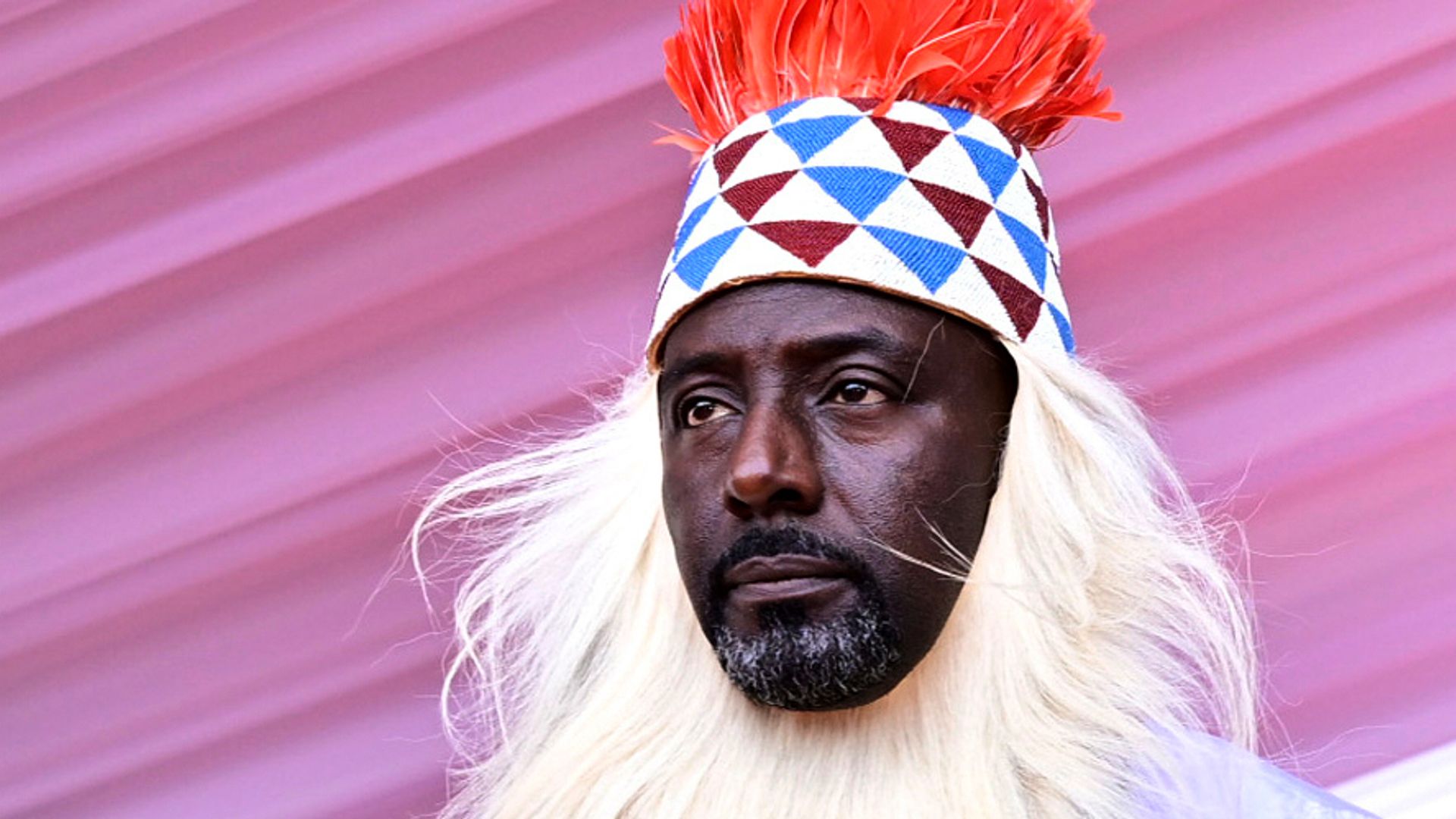
We live in an era where modern media careers and ancient traditions rarely intersect in a meaningful way. Most television personalities spend their years chasing ratings, reading bulletins, and interviewing politicians before fading into corporate media management or PR. Rukirabasaija Agutamba Solomon Gafabusa Iguru I of Bunyoro-Kitara took a completely different path. He traded the newsroom anchor desk for a millennium-old throne.
When a former television news anchor gets crowned king after a fierce succession dispute, it captures public attention instantly. But behind the headline lies a complex web of clan politics, legal maneuvers, and cultural preservation in East Africa. Succession crises in traditional monarchies are notoriously messy. They expose deep fractures within ruling families, test the limits of modern constitutional law, and force ancient kingdoms to adapt to twenty-first-century governance.
Let's look at how modern media training meets dynastic heritage, and why this particular coronation reshaped the conversation around traditional leadership in Uganda.
The Battle for the Crown
Monarchies in Uganda occupy a unique constitutional space. Restored in the early 1990s after decades of abolition under Milton Obote, these cultural institutions hold no direct political power. They do not pass laws, command armies, or levy official taxes. Yet, their symbolic authority remains staggering. They control massive amounts of land, command fierce loyalty from their subjects, and act as cultural anchors for millions of people.
When a throne becomes vacant, the stakes are remarkably high.
The succession dispute in Bunyoro did not happen in a vacuum. Traditional institutions operate under a mix of unwritten customary laws, royal council deliberations, and patriarchal lineage rules. When multiple claimants emerge, the battleground shifts rapidly from ancestral courtrooms to public media campaigns.
The former news anchor stood out precisely because he understood how modern optics worked. While traditional royal contenders relied solely on closed-door meetings with clan elders, a media-trained candidate knew how to articulate his vision for the kingdom to a broad, skeptical public. He understood narrative framing, media relations, and public diplomacy. That advantage proved decisive when public sentiment began shifting away from rival factions.
Why Traditional Monarchies Still Matter
Critics often dismiss traditional kingdoms as outdated relics. They argue that ethnic-based kingdoms hinder national unity in diverse modern states. Yet, millions of citizens look to these institutions for identity, dispute resolution, and community development.
When you travel through Western Uganda, the cultural influence of Bunyoro-Kitara is visible everywhere. Schools, health clinics, and agricultural cooperatives often rely on royal patronage or community mobilization driven by the palace. A king who understands modern media can leverage those platforms far more effectively than an isolated traditionalist.
The transition from reading news scripts to issuing royal decrees requires a massive shift in mindset. You move from reporting history to making it. The new monarch had to transition from a neutral observer of political drama to the central figure of an ancient institution. That requires balancing ancient rituals with contemporary governance standards. Clan elders demand adherence to centuries-old spiritual rites. Youth populations demand transparency, economic opportunity, and modern relevance. Walking that tightrope is extraordinarily difficult.
Navigating Legal and Clan Hurdles
A crown is never handed over easily. Succession disputes in African monarchies frequently trigger court injunctions, parallel coronation ceremonies, and intense factional infighting. Rivals challenged the legitimacy of the process, citing customary precedents and questioning the lineage verification steps taken by the royal clan council.
Resolving these disputes requires a delicate mix of legal defense and traditional diplomacy. You cannot simply sue your way to a throne; you have to win the psychological and spiritual backing of the kingmakers.
The media background offered a masterclass in crisis management during this period. Rumors, counter-claims, and smear campaigns circulated daily through newspapers and social media networks. Handling hostile media scrutiny while maintaining royal decorum is a skill few ordinary candidates possess. By addressing controversies head-on rather than hiding behind palace walls, the anchor-turned-king neutralized many of his fiercest critics before the crown ever touched his head.
What This Means for the Future of African Leadership
The rise of media-savvy royals signals a broader evolution in how traditional institutions survive. Traditional leaders can no longer rely purely on divine right or hereditary mystique. They operate in a hyper-connected world where every royal expenditure, public statement, and administrative decision faces intense public scrutiny.
If ancient kingdoms want to remain relevant to a young, urbanized population, they need leaders who can bridge the gap between ancestral heritage and modern statecraft.
You see similar shifts across other kingdoms on the continent. Royals are earning advanced degrees, running business ventures, and utilizing digital platforms to engage diaspora communities. The throne is no longer just a seat of ceremonial power; it is an executive platform for cultural preservation and regional development.
The former news anchor proved that the skills required to command a television audience—clarity, composure, persuasion, and cultural awareness—translate remarkably well to the demands of modern kingship. He turned a contested succession crisis into a masterclass in modern institutional rebranding.
As traditional rulers continue to navigate the complexities of modern governance, expect to see more leaders emerging from non-traditional professional backgrounds. The modern throne demands more than royal blood. It demands communication, strategy, and resilience.