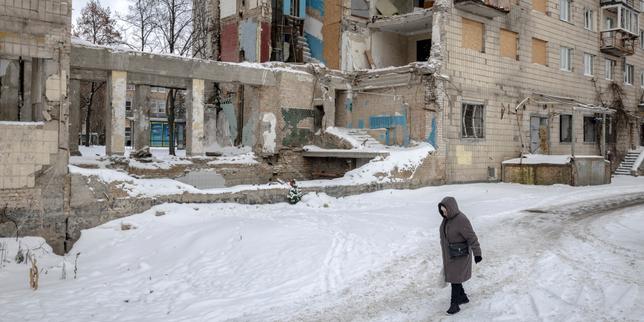
Freezing temperatures and unyielding drone barrages are colliding once again. Ukraine is bracing for another catastrophic heating season. The root cause isn't complicated. It's a severe shortage of anti-air interceptors and missile defense hardware. When the mercury drops below minus fifteen degrees Celsius, heating grids become primary targets. Without enough shield batteries to intercept incoming ballistic threats, millions face the dark reality of frozen apartments.
Let's look at the operational math. Russia has ramped up its industrial production of drones and missiles, launching coordinated strikes that exhaust remaining stockpiles of Western-supplied munitions. Kyiv needs thousands of specialized interceptors just to maintain a baseline survival umbrella. Instead, current shipments arrive in a trickle. Western allies possess deep warehouses of Patriot and NASAMS interceptors, but political hesitation and bureaucratic delays keep those systems sitting idle while civilian centers take direct hits.
The Grinding War on Energy Infrastructure
Energy facilities take the heaviest punishment. Thermal power plants, regional substations, and gas compression hubs are systematically dismantled by high-precision munitions. Last year's campaigns proved that destroying a transformer takes seconds, whereas manufacturing a replacement takes months.
When power fails, the cascading failures start immediately:
- Water pumping stations shut down, cutting off running water to multi-story apartment blocks.
- Sewage treatment plants stall, creating severe public health hazards.
- Hospitals rely entirely on strained diesel generators that struggle under continuous load.
- District heating networks collapse, forcing entire cities to drain their pipes to prevent catastrophic freezing.
Utility workers attempt repairs under constant threat of secondary strikes. These emergency crews work through subzero nights with minimal protection, patching lines that might be blown apart again twenty-four hours later. It's an exhausting cycle of temporary fixes against systematic destruction.
Why Western Air Defense Support Falls Short
Politicians in Washington and European capitals issue strong statements of solidarity, yet the physical hardware lags behind the rhetoric. Interceptor manufacturing lines take years to scale up, and defense contractors are only beginning to match wartime demand.
Ukraine's leadership has repeatedly pointed out a straightforward solution: allocating a tiny fraction of existing Western stockpiles would radically alter the safety equation. Diverting even five to ten percent of active Patriot interceptors from allied reserves to Ukrainian air defense batteries would close the current capability gap. Keeping those missiles in foreign storage lockers while Ukrainian civilians freeze makes little strategic or moral sense.
Domestic defense initiatives are underway, such as cooperative European ventures to build indigenous anti-ballistic solutions. However, prototypes take time, and functional batteries are years away from serial deployment. That timeline offers zero comfort to families facing subzero apartments right now.
What Needs to Happen on the Ground
Immediate operational changes are required to prevent total humanitarian collapse. Allies must fast-track the transfer of spare parts for Soviet-era grid infrastructure, which can still be sourced from Eastern European partners. Pre-positioning mobile substations, heavy-duty generators, and automated repair gear near vulnerable cities will cut downtime when strikes hit.
Civilians continue adapting through sheer grit, setting up community heating hubs and sharing generators. Yet resilience has limits. Without a massive influx of anti-air munitions to stop incoming missiles before they reach the grid, the coming months will test the absolute endurance of an entire nation.