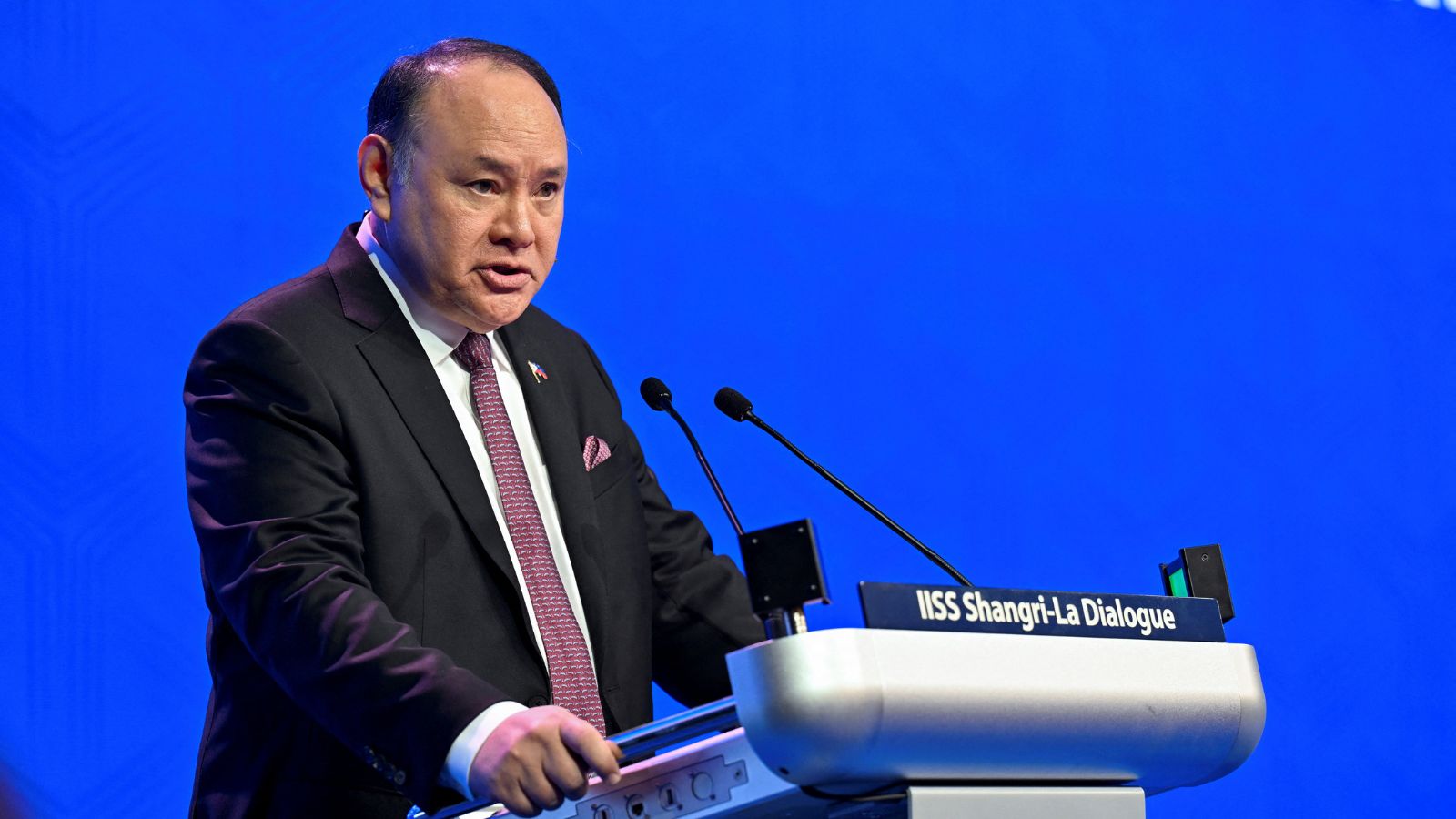
Ukraine’s quest for a modernized air force just took a massive leap forward. After months of speculation and political stalls, the deal for Swedish-made Saab JAS 39 Gripen fighter jets is actually on the horizon. Mykhailo Fedorov, Ukraine’s Defence Minister, stood alongside his Swedish counterpart Pål Jonson in Stockholm this week and dropped the news everyone’s been waiting for. We’re likely looking at a signed contract within months.
This isn’t just another "maybe" in a long line of military aid promises. The scale is massive. We’re talking about up to 150 aircraft. If you’ve followed the conflict, you know that Ukraine’s current fleet of Soviet-era Su-27s and MiG-29s is hanging on by a thread. They’ve done incredible work, but they’re outclassed and out-ranged. The Gripen changes the math on the ground and in the air because it was literally designed for this exact type of war. For another look, check out: this related article.
The Money Problem Just Got Solved
For a long time, the Gripen was the jet everyone wanted but nobody knew how to pay for. These things aren’t cheap, and Sweden, while supportive, couldn't just hand over its entire air force for free. The breakthrough came from two places.
First, Hungary finally blinked. By reversing its veto on the €90 billion European Union loan to Ukraine, Budapest accidentally cleared the runway for Swedish jets. Second, the Swedish government earmarked a significant chunk of its 80 billion crown ($8.7 billion) aid package specifically for this. Fedorov was blunt about it in Stockholm: Ukraine has a financing plan. They aren't just asking for handouts anymore; they’re ready to buy into a long-term partnership. Related insight on this trend has been shared by The Washington Post.
The timeline is the tricky part. You don’t just sign a paper and fly 150 jets home the next day. Saab CEO Mikael Johansson has been clear that while a deal could be signed by the end of 2026, building new Gripen E models takes time—about three years from contract to cockpit. But there’s a workaround.
Why the Gripen is the Perfect Jet for Ukraine
Military experts often argue about F-16s vs. Gripens. Honestly, the F-16 is great, but the Gripen is built for the "dirty" reality of Ukrainian operations.
- Roadside Operations: The Gripen can land and take off from ordinary highways. Ukraine doesn’t have the luxury of pristine, long runways that aren't targeted by missiles.
- Easy Maintenance: You can service a Gripen with a small team of conscripts and one mobile workshop. It doesn't need a massive, specialized hangar to stay flight-ready.
- Electronic Warfare: The Gripen’s internal systems are legendary for their ability to jam Russian radar. In a sky filled with S-400 systems, that’s not just a feature—it’s a survival requirement.
We’ll likely see a two-track delivery. To get pilots in the air quickly, Sweden is looking at transferring older Gripen C/D models. These are currently in service with the Swedish Air Force. Reports suggest about 14 of these could be ready almost immediately once the ink is dry. That gives Ukraine a "bridge" fleet while the advanced Gripen E models are being manufactured.
The Pilot Training Hurdle
Training has already started. We’ve seen reports of Ukrainian pilots testing the jets as far back as 2023. But 2026 is the year it gets real. President Zelenskyy has stated that he expects the first jets to arrive this year, which means the training programs in Sweden are hitting high gear right now.
It’s not just about flying. It’s about the Meteor missile. This long-range air-to-air missile is part of the Gripen package and it’s a terrifying prospect for Russian pilots. It allows Ukraine to strike from distances where Russian jets can't easily retaliate. When you combine a stealthy, agile jet with a 200km-range missile, the "no-fly zone" starts looking a lot more realistic.
Moving Toward a 250 Jet Fleet
The Gripen deal is the anchor for a much larger strategy. Ukraine wants a total fleet of around 250 modern Western jets. Between the F-16s, the French Rafales, and now a massive 150-unit commitment from Sweden, that goal is actually within reach.
This isn't just about winning a few dogfights. It’s about building a post-war military that makes anyone think twice before crossing the border again. By localizing some of the Gripen production—a move Saab has hinted at—Ukraine isn't just buying planes; they’re building an industry.
If you’re watching this space, keep an eye on the Swedish parliament over the next 90 days. Once the formal budget allocations are cleared, the "Letter of Intent" becomes a binding contract. That’s the moment the power dynamic in Eastern European skies shifts permanently.
If you want to understand the technical side of this, look into the "STOL" (Short Take-Off and Landing) capabilities of the JAS 39. It’s the reason Sweden can hide its air force in the woods, and it’s exactly why Russia won’t be able to ground the Ukrainian Air Force once these jets arrive.