In global sports marketing, celebrity endorsements function either as temporary reach multipliers or enduring brand equity platforms. Most athlete-brand integrations follow a linear operational model: peak athletic performance generates visibility, which is monetized through standard product placement before eroding post-retirement.
David Beckham represents a structural anomaly in this framework. Decades after his final professional match, Beckham’s commercial value assets operate with structural durability, securing long-term ambassadorial commitments and multi-brand commercial ecosystems during major international tournaments. Analyzing this asset requires evaluating the underlying mechanics of personal brand valuation, cross-market arbitrage, and corporate risk allocation.
The Three Pillars of Long-Term Asset Valuation
The persistence of Beckham's commercial arbitrage rests on three structural mechanisms that separate his personal enterprise from standard athletic sponsorships.
1. The Transatlantic Market Arbitrage Strategy
Professional European football historically struggled to capture premium enterprise valuation in North American media markets due to fragmented broadcasting arrangements and competing domestic leagues. Beckham’s transition to Major League Soccer via the LA Galaxy in 2007 was structured not as a standard player acquisition, but as an equity-option event.
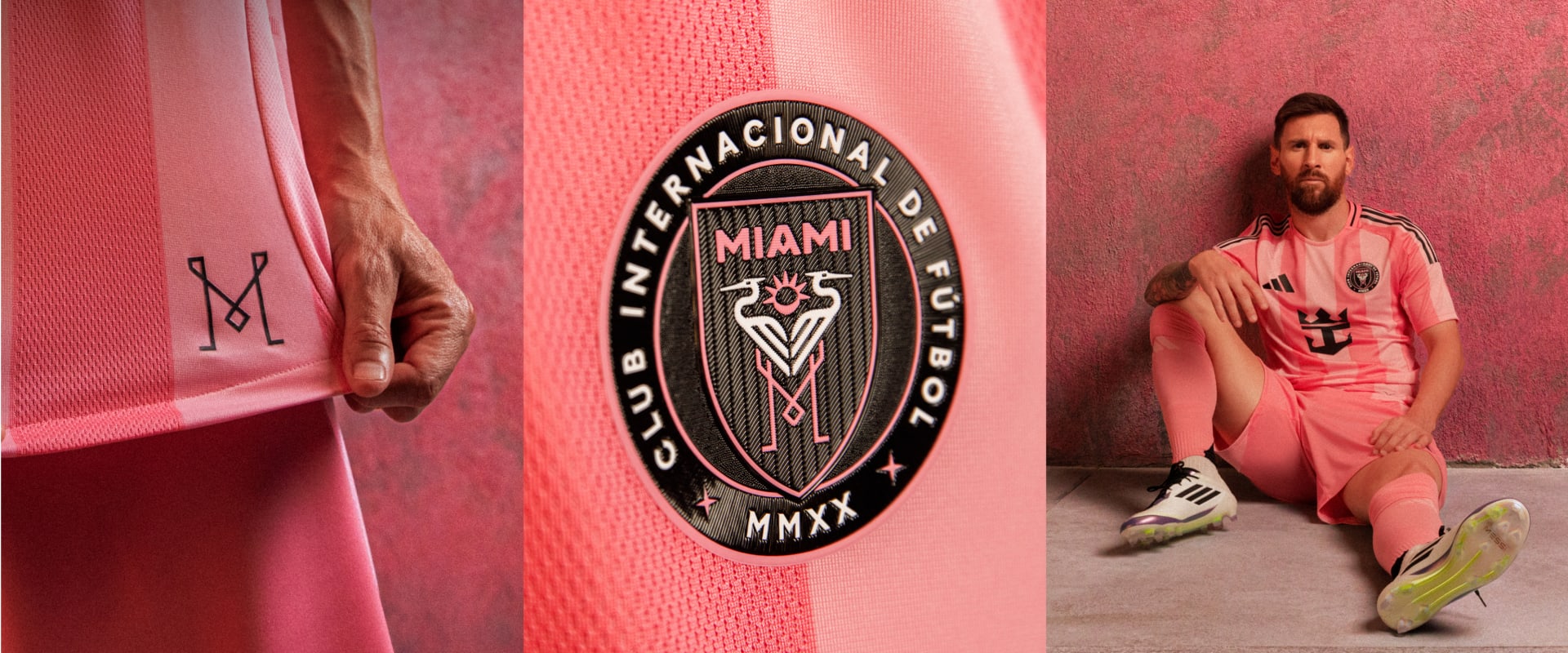
By negotiating fixed-price expansion rights—which culminated in the establishment of Inter Miami CF—Beckham converted personal athletic brand equity into institutional franchise balance-sheet value. When Inter Miami's market capitalization expanded following key talent acquisitions, Beckham validated a unique playbook: transitioning from salaried endorsement figure to owner-operator within the largest media market on earth.
[Athletic Visibility] ──> [Equity Option Capture] ──> [Franchise Valuation Growth]
2. Cultural Bivalency and Cross-Demographic Appeal
Endorsement portfolios typically suffer from demographic isolation; a signature athlete usually resonates within a specific age cohort or geographic region. Beckham's brand architecture maintains a dual-vector position:
- Subcultural Credibility: Deep integration within professional elite football networks maintains baseline relevance among core sport consumers.
- Lifestyle Integration: Strategic positioning across high-fashion, luxury goods, and consumer technology markets captures adjacent demographics with higher discretionary spending profiles.
This bivalency protects his brand equity from the volatility of individual match outcomes or single-industry downturns.
3. Exclusivity Aggregation vs. Attention Saturation
Corporate entities often seek single-category exclusivity to protect ad-spend return on investment. During high-density broadcast events like the FIFA World Cup, Beckham's brand firm executes concurrent agreements across distinct, non-competing market categories—such as athletic apparel, financial services, consumer electronics, and fast-moving consumer goods.
While category exclusivity protects competitors from entering the same vertical, the simultaneous activation of multiple brands using a single commercial figure creates systemic market tension.
Market Dynamics: The Mechanics of Brand Saturation
When multiple global corporations license the identical human brand asset simultaneously, the return profile changes for all participating entities.
+------------------------+-----------------------------------+-------------------------------------+
| Strategic Dimension    | Single-Brand Exclusivity Model    | Multi-Brand Saturation Model        |
+------------------------+-----------------------------------+-------------------------------------+
| Consumer Attribution   | High Direct Brand Recall          | Elevated Risk of Attention Transfer |
| Risk Distribution      | Single-Entity Asset Vulnerability | Diversified Multi-Corporate Exposure|
| Capital Efficiency     | High Premium paid for Monopoly    | Shared Production/Activation Halo   |
+------------------------+-----------------------------------+-------------------------------------+
The Attribution Bottleneck and Attention Transfer
In advertising theory, the "vampire effect" describes a phenomenon where the high salience of a commercial spokesperson suppresses the viewer's memory of the actual featured product or enterprise. When a single individual represents up to eleven disparate consumer brands within a restricted broadcast window, a structural bottleneck emerges:
- Information Overload: Consumer memory encoding capacity prioritizes the central recurring figure.
- Category Blurring: Brand distinctiveness degrades as the identical visual narrative anchor transitions rapidly between consumer technology, fast food, and banking services.
- Efficiency Losses: Late-stage ad placements experience diminishing marginal returns on recall, effectively subsidizing the primary icon's overall brand platform at the expense of corporate conversion metrics.
Geopolitical Soft Power and Reputation Management
Corporate endorsements operate in controlled market environments. Geopolitical ambassadorial roles operate under completely different risk dynamics. Strategic partnership agreements with sovereign nations attempting rapid international market repositioning demonstrate the limits of standard public relations management.
Strategic Capital Deployment Model
Sovereign investment funds deploy sports infrastructure and international brand ambassadors to achieve three objectives:
- Diversification of Economic Base: Shifting national revenue reliance away from resource extraction toward tourism, real estate, and financial technology.
- Global Asset Normalization: Interacting with globally recognized icons to reduce international institutional friction and ease trade deal execution.
- Public Diplomacy Arbitrage: Utilizing the broad cross-border appeal of sports to buffer against diplomatic scrutiny.
Friction Analysis: The Endorser's Dilemma
When an individual brand asset built on modern Western consumer ideals accepts a long-term strategic role with a sovereign entity with different regulatory, political, and social norms, institutional friction is guaranteed.
[Commercial Brand Positioning]  <--->  [Sovereign State Sponsorship]
           │                                      │
           ▼                                      ▼
(Consumer Affinity / Progressive)     (Geopolitical Leverage / National Interest)
           │                                      │
           └───────────────► Collision ◄──────────┘
The operational countermeasure deployed in these scenarios relies on strict media control and non-engagement tactics: minimizing unscripted press interactions, delegating crisis communications to professional public relations firms, and maintaining focus strictly on macro-development narratives. While this strategy mitigates immediate downside reputational contagion, it risks alienating core legacy consumer segments over extended horizons.
Evaluating the Asset Architecture
To construct an enduring post-athletic personal brand platform, sports management entities and corporate strategists must implement three operational guidelines derived from the Beckham model.
1. Shift from Service Provision to Equity Ownership
Linear sponsorship arrangements yield finite cash flows bounded by the athlete's active playing career. Sustainable platform design requires conversion of promotional services into equity stakes in early-stage or expansion assets. Contractual terms should include vesting schedules tied to long-term promotional milestones rather than short-term social media deliverables.
2. Implement Portfolio Diversity Limits
Corporate brand managers licensing high-profile spokespeople must mandate cross-category capping clauses within endorsement agreements. Securing vertical exclusivity within a specific industry sector is insufficient if the asset simultaneously activates across ten non-competing sectors within the same broadcast ecosystem. Contracts must specify maximum concurrent active campaigns within target geographic regions during major media events.
3. Stress-Test Geopolitical Exposures
Before entering long-term sovereign promotion contracts, brand risk teams must perform scenario-based stress testing. This involves calculating the potential downside brand equity degradation in core domestic consumer markets against guaranteed international capital receipts. If the probability of reputational spillover threatens secondary high-margin corporate partnerships, the sovereign deal architecture must be restructured into targeted project-based advisory roles rather than broad-spectrum ambassadorial representations.
The commercial viability of a post-career athletic asset depends entirely on the transition from performance-dependent relevance to structured, institutionalized equity control. Brand owners who balance multi-channel reach with controlled exposure will retain market pricing power; those who maximize short-term campaign volume risk diluting the central asset into ambient broadcast background noise.