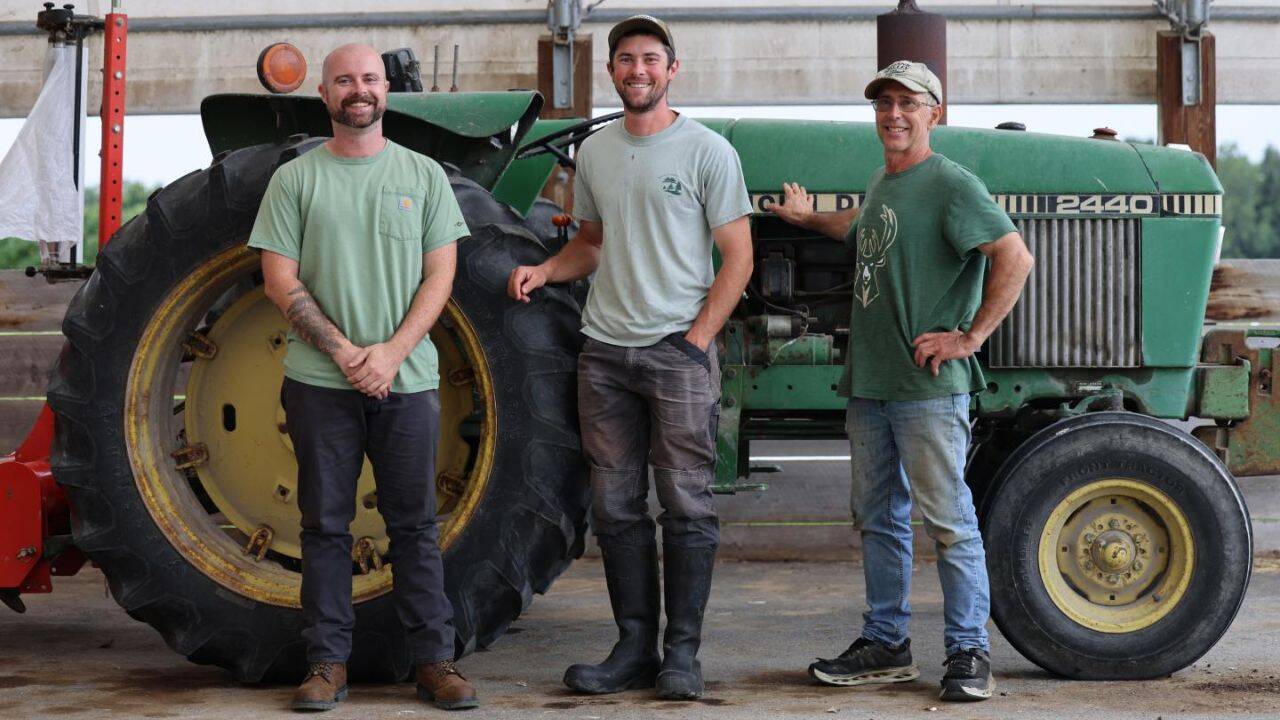
The romanticized portrait of American agriculture often relies on a simple narrative. A generational family farm shifts away from intensive high-yield production, embraces ecological stewardship, and converts hundreds of acres into a permanent conservation program. Applause follows. Grants are awarded. The public sleeps better knowing the soil is protected.
Yet reality on the ground rarely mirrors the press releases.
When a 550-acre Vermont dairy operation pivots toward land conservation, the transition is rarely a smooth corporate-style restructuring. It is a grueling financial tightrope walk. Operating a modern dairy requires immense capital liquidity, heavy machinery debt, and tight margins dictated by volatile federal milk pricing. Shifting acreage away from conventional feed production to satisfy strict environmental easements introduces complex cash flow hazards that few public narratives acknowledge.
Understanding how a mid-sized dairy farm survives this transformation demands looking past the surface-level optimism of green initiatives. Behind every successful land preservation project lies a web of debt restructuring, legal hurdles, and a relentless pressure to modernize operations without expanding the physical footprint.
The Economic Mechanics of Acreage Reduction
At first glance, owning 550 acres sounds like an enviable asset base. In the modern agricultural economy, however, acreage is often a liability masked as wealth. Land incurs property taxes, maintenance costs, and capital expenditure requirements. When a dairy farmer commits a significant portion of that land to conservation easements—restricting future development or intensive farming practices—the immediate financial impact is complex.
Cash flow shifts overnight.
Land enrolled in conservation programs typically receives payments or tax abatements, but these incentives rarely match the market value of the feed crops that could otherwise be harvested to sustain a milking herd. For a 550-acre operation, every acre removed from intense rotation means purchasing more external feed. Feed represents one of the single largest operating expenses for any dairy producer.
If a farm cuts its home-grown forage production to meet easement requirements, the deficit must be purchased on the open market. Market volatility for corn silage and alfalfa can erase conservation subsidies in a single quarter. This creates a precarious paradox. The very measures designed to protect regional watersheds can destabilize the business model keeping the farmer solvent.
Navigating the Bureaucracy of Land Trusts
Engaging with state agencies and private land trusts requires a distinct set of survival skills. Conservation agreements are permanent legal encumbrances. They outlive the current generation of operators, dictating what future stewards can and cannot do with the dirt beneath their boots.
Negotiating these terms is rarely collaborative in the traditional sense. Land trusts operate under strict ecological mandates. They look for specific metrics: buffer strips along waterways, restrictions on manure spreading, and limits on herd density. The farmer, conversely, looks at operational flexibility.
When weather patterns shift violently—brought on by unpredictable regional climate disruptions—rigid easement rules can trap a producer. If a prolonged drought or excessive spring rainfall prevents planting in permitted zones, flexibility is essential. Yet bureaucratic structures move slowly. Modifying a conservation agreement to address an immediate weather emergency can take months, leaving operators vulnerable to regulatory penalties or severe feed shortages.
Trust must be built, but it must also be verified through legal counsel. Many smaller operations enter these agreements underestimating the ongoing legal and administrative overhead. Monitoring visits, compliance reporting, and boundary disputes consume hours that should be spent managing herd health and equipment maintenance.
The Succession Crisis on Conserved Land
Perhaps the most overlooked consequence of converting a dairy farm into a conservation program is the impact on intergenerational transfer. Farming families do not just pass down dirt; they pass down equity.
When a property is heavily restricted by conservation easements, its appraised market value often drops significantly. While this can lower estate tax burdens—a frequently cited benefit—it also alters the borrowing power of the next generation. Banks view conserved land differently than developable or unencumbered agricultural real estate.
When young farmers attempt to secure operating loans to upgrade milking parlors or invest in renewable energy infrastructure, lenders evaluate the collateral value of the farm. If the land is tied up in permanent conservation restrictions, its value as loan collateral diminishes. This tightens credit availability precisely when the operation needs capital injection to modernize.
Furthermore, heirs who do not wish to milk cows find themselves inheriting an asset that cannot be easily monetized or subdivided to settle sibling inheritances. The romantic notion of keeping the land "forever wild and agricultural" clashes directly with the gritty financial realities of dividing an estate among multiple children, only one of whom wants to stay on the tractor.
Adapting Beyond the Milk Check
Survival in the contemporary dairy sector requires diversifying income streams far beyond the traditional bulk tank. Farms that successfully integrate conservation programs into their business model often do so by transforming from pure commodity producers into diversified rural enterprises.
Agritourism, direct-to-consumer value-added dairy products, and managed timber harvesting are common pivots. However, each of these ventures demands entirely new skill sets. A farmer trained in agronomy and herd management must suddenly become a marketer, a hospitality manager, and a compliance officer.
Capital investments required for on-site processing facilities or farm-store infrastructure are steep. Traditional agricultural lenders are often conservative, viewing non-dairy ventures with skepticism. Securing capital for diversification requires patience and a bulletproof business plan that proves the conservation narrative translates into paying customers.
The transformation of a 550-acre dairy is never a neat, linear success story wrapped up neatly in an annual report. It is an ongoing negotiation between ecological preservation and economic survival, waged daily in the milking parlor, the accounting office, and the legislative hearing room. The margins for error are razor-thin, and the pressures continue to mount as regional processing infrastructure consolidates and input costs fluctuate without warning.
article>