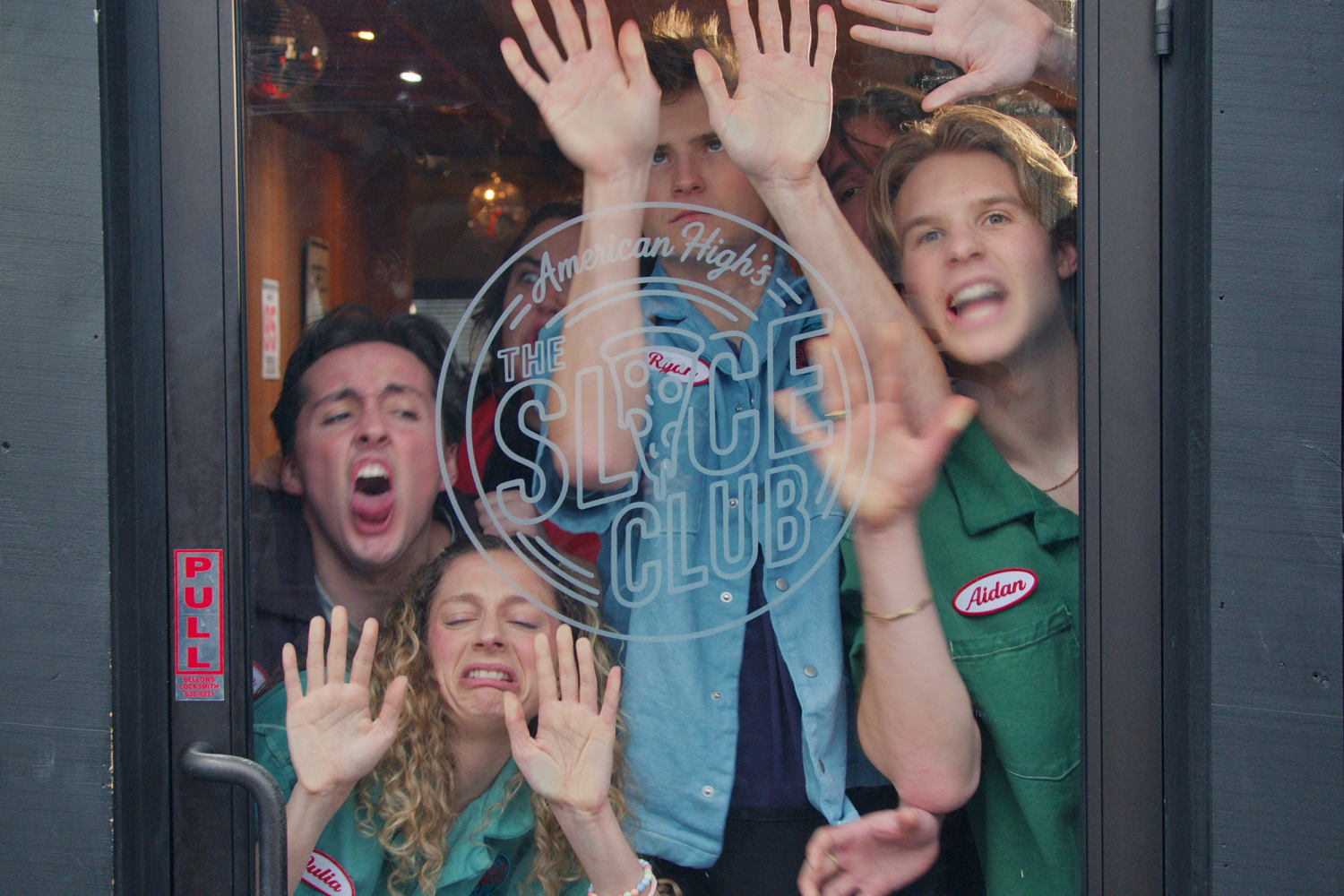
Hollywood executives love a simple fix. Whenever quarterly numbers dip or younger audiences drift away, someone in a boardroom points at a surprise hit and claims they've cracked the code. Right now, that shiny object is the viral teen comedy.
You've seen the headlines. A quirky high school movie or coming-of-age series blows up on TikTok, spawns a million fancams, and suddenly industry analysts are asking if Netflix has finally found its answer to YouTube.
It hasn't. Not even close.
The idea that a single scripted genre can beat an open creator ecosystem fundamentally misunderstands why Gen Z and Gen Alpha spend hours on YouTube every day. Having watched streaming platforms chase viral trends for over a decade, I can tell you that manufactured virality rarely translates into lasting platform loyalty. You can buy a moment on social media, sure. Buying a daily habit is a completely different game.
The Structural Trap of Scripted Streaming Hits
A viral teen comedy works because it captures a specific cultural nerve at the exact right moment. Think about past Netflix breakouts like To All the Boys I've Loved Before, Never Have I Ever, or Wednesday. Those projects generated massive cultural chatter, pushed soundtrack songs onto the Billboard charts, and turned young actors into overnight stars.
Yet look at what happens three weeks after release. The memes dry up. The edits stop flooding your feed. Viewers close the Netflix app and go right back to watching their favorite creators on YouTube.
Why does this happen? Because scripted entertainment operates on a scarcity and delay model, while YouTube runs on abundance and immediacy.
Even when Netflix moves fast, developing, casting, shooting, and editing a teen comedy takes at least twelve to eighteen months. By the time a script inspired by current youth culture hits the platform, the slang has already shifted twice. YouTube creators, on the other hand, film a video in the morning, edit it by afternoon, and respond directly to their audience in the comments by dinner.
Binge Drops Kill Ongoing Conversation
Netflix still relies heavily on releasing entire seasons at once or splitting them into two batches. That model creates a massive spike in attention over a single weekend, followed by a steep cliff.
When everyone consumes six hours of comedy in forty-eight hours, the shared cultural timeline collapses. You can't build a sustained, year-round community around a show that disappears from the conversation after ten days. YouTube thrives on the exact opposite cadence. Creators upload weekly—sometimes daily—turning their channels into continuous background companions rather than isolated events.
What YouTube Actually Gives Teen Audiences
If you ask teenagers why they prefer YouTube over traditional streaming services, they rarely mention production value. Nobody is comparing camera lenses or lighting rigs. They talk about connection, control, and identity.
Nielsen's monthly Gauge reports consistently show YouTube holding the largest share of television viewing time in the United States, ahead of every single subscription streaming platform. That dominance isn't built on polished teen comedies. It's built on parasocial trust and niche obsession.
Consider the difference between watching a fictional high schooler deal with prom drama and watching a creator build a PC, dissect video game lore, or film a chaotic road trip with their real-life friends.
- Authenticity over polish: Scripted teen comedies often feel like forty-year-old writers guessing how seventeen-year-olds talk. Even the best ones carry an unmistakable Hollywood sheen. YouTube creators speak directly to the camera without a filter, flaws and all.
- Interactive feedback loops: A Netflix movie doesn't care what you think about it. You watch it, maybe leave a thumbs-up, and move on. On YouTube, viewers shape the content. Inside jokes born in the comment section show up in next week's upload.
- Endless rabbit holes: Finishing a teen comedy leaves you at a dead end, staring at an algorithm trying to push another show you didn't ask for. Finishing a YouTube video leads straight into a hundred related clips from the same creator or community.
Honestly, comparing a viral teen comedy to YouTube is like comparing a summer blockbuster to a local coffee shop. One is an event you visit occasionally. The other is where you actually hang out.
Where Netflix Actually Competes With Creator Platforms
Does that mean Netflix is losing the youth market entirely? No. That's a lazy take that ignores how smart the company has become with distribution and licensing.
Netflix doesn't beat YouTube by making better teen comedies. It competes by acting as the ultimate aggregator for content that already has built-in audiences, and by using social platforms as free marketing funnels.
Look at how Netflix handles licensing deals for legacy teen hits and animated series. Shows like Suits, Gilmore Girls, and Avatar: The Last Airbender found massive second lives on the platform because younger viewers treat them as comfort background noise. They put them on while scrolling their phones, doing homework, or hanging out with friends. That passive viewing behavior mimics how people use YouTube on smart TVs.
Turning TikTok Into a Trailer Engine
Where Netflix truly excels is clipping. When a teen comedy hits, the platform's marketing team—and thousands of unpaid fans—flood TikTok, Instagram Reels, and YouTube Shorts with thirty-second vertical clips.
Those clips act as high-converting trailers. A teenager doesn't open Netflix browsing for a new movie anymore. They see a funny scene on their phone, look up the title in the comments, and open Netflix specifically to watch that one thing.
In that sense, Netflix isn't replacing YouTube. It's drafting behind YouTube and TikTok, using short-form video ecosystems to drive traffic back to its paid subscription wall.
The Economics Don't Line Up Either
Let's talk money, because business models dictate creative outcomes.
Netflix makes money through monthly subscriptions. Its primary goal is retention—giving you just enough reasons every month not to hit the cancel button. A viral teen comedy is great for acquisition and brief engagement spikes, especially if it costs a fraction of a big-budget action movie. Producing a mid-budget teen rom-com costs far less than financing a massive sci-fi spectacle, making the return on investment look terrific on paper.
YouTube runs on an advertising revenue-share model powered by near-zero content acquisition costs. Alphabet doesn't pay upfront to produce millions of hours of video. Creators take the creative risk, absorb the production overhead, and split the ad dollars after the views roll in.
Netflix cannot replicate that volume. Even with billions of dollars in annual content spend, a closed studio system can only release a finite number of titles per year. YouTube uploads hundreds of hours of video every single minute. You don't beat an infinite library with a handful of clever teen movies, no matter how viral they get.
What Creators Know That Studios Keep Forgetting
If you work in digital media or content strategy, there's a hard truth you learn pretty quickly. Audiences don't fall in love with formats. They fall in love with voices.
Traditional Hollywood still thinks in terms of intellectual property and genre buckets. Executives see a teen comedy succeed and immediately greenlight five more projects with similar loglines, hoping lightning strikes twice. You see this cycle repeat constantly—vampire dramas, dystopian young adult adaptations, murder-mystery boarding school shows.
Creators think differently. They build personal brands that can pivot across genres without losing their core audience. A creator might start out making comedy sketches, transition into commentary videos, launch a podcast, and eventually sell a physical product line. The audience stays because they are invested in the person, not just the premise.
Netflix has tried to bridge this gap by signing deals with major digital creators, bringing YouTube and TikTok stars into scripted series or reality competitions. Sometimes it works for a quick splash. More often, stripping a creator of their direct, unscripted connection to their audience flattens the exact magic that made them popular in the first place. Putting a YouTuber inside a rigid Hollywood script usually highlights their lack of traditional acting training while burying their natural comedic timing.
How Media Strategists Should Read the Streaming Wars
If you're tracking the entertainment business—whether as an investor, a marketer, or a creator trying to figure out where the attention is going—stop looking for a single show to crown a winner.
Watch the screen-time habits instead. Look at how younger viewers split their attention across devices. A teenager watching a Netflix teen comedy on a living room television while simultaneously watching YouTube Shorts on an iPhone isn't choosing one platform over the other. Both platforms are fighting for partial attention in a fragmented room.
For brands and marketers trying to reach this demographic, chasing viral scripted moments on streaming platforms is an expensive gamble with a short shelf life. Sponsoring a Netflix integration takes months of lead time and rigid creative approvals. Partnering with mid-tier YouTube creators gives you direct access to high-trust communities in a fraction of the time.
If you're a filmmaker or writer hoping to break into the teen space, stop pitching studios on how your script will "go viral." Executives hear that every day and see right through it. Focus instead on sharp character dynamics, specific subcultures that haven't been strip-mined yet, and tight pacing that respects an audience raised on fast edits.
Netflix will keep making viral teen comedies because they are cost-effective, fun, and great for social media buzz. They'll drive weekend viewing numbers, launch young actors' careers, and give us plenty of memes to share. Just don't mistake a great weekend at the streaming box office for a threat to YouTube's throne. YouTube isn't a TV network waiting to be out-programmed—it's the town square where the audience already lives.