For decades, Volkswagen felt untouchable. It was the industrial heartbeat of Germany, a titan that could weather scandals, economic shifts, and changing tastes by sheer force of scale. But scale is turning into an anchor. Under CEO Oliver Blume, the company is pushing through the most brutal restructuring in its history. We are talking about potential plans to cut up to 100,000 jobs, shutter domestic factories, and slash half of its vehicle lineup.
If you think this is just standard corporate belt-tightening, you're missing the bigger picture. European manufacturing is hitting a wall, and Volkswagen's crisis is a warning sign for legacy industrial powerhouses everywhere.
The Perfect Storm Hit Wolfsburg
How did Europe’s largest automaker reach the brink? It’s a toxic mix of slow electric vehicle adoption at home, crushing US tariff pressures, and an unstoppable wave of low-cost competitors from China.
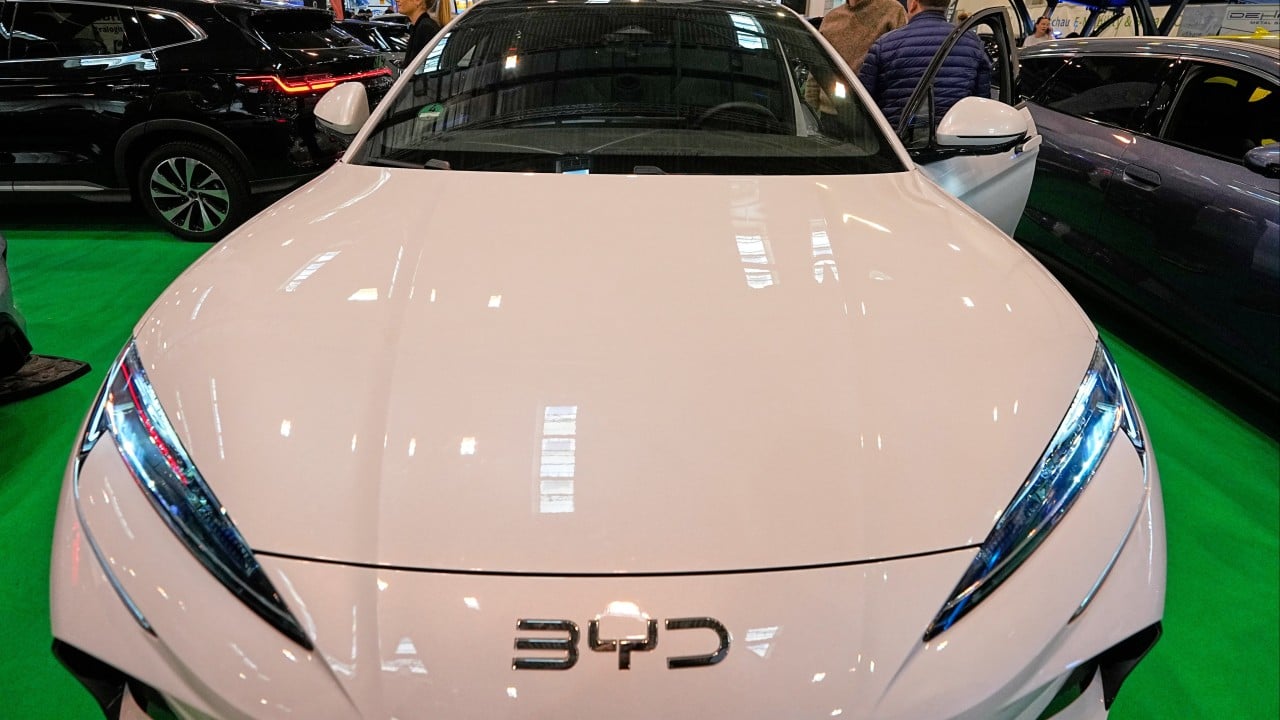
For years, German automakers enjoyed a comfortable dominance. They built heavy, expensive, beautifully engineered cars and expected buyers to pay a premium. Then the market shifted. Chinese EV makers arrived with software that actually works, prices that undercut European assembly lines by thousands of dollars, and lightning-fast development cycles. Meanwhile, Volkswagen's internal bureaucracy dragged its feet.
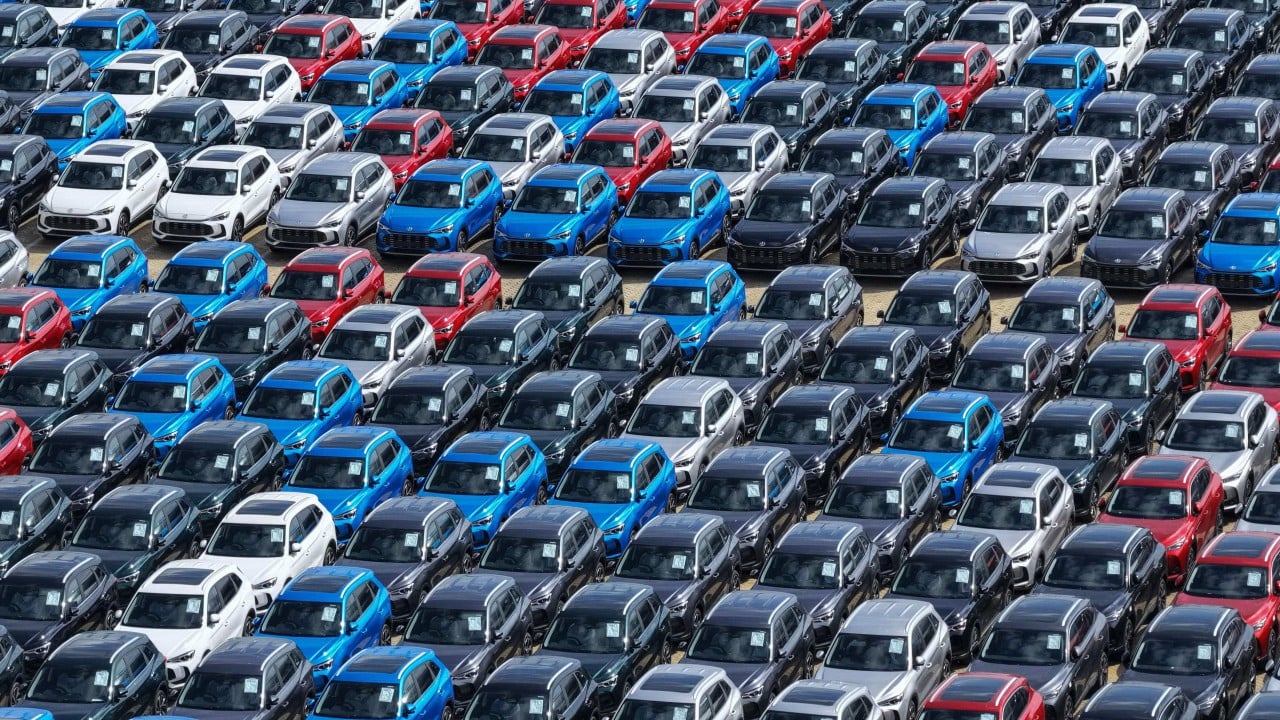
The numbers don't lie. Profits dropped significantly, vehicle sales slumped, and the company’s traditional business model started burning cash faster than it could generate it. To fix a leak this big, management decided to slash production targets from a pre-pandemic high of 12 million cars down to 9 million.
Breaking Promises at Headquarters
The tension inside Volkswagen's home turf is reaching a boiling point. Leadership recently scrapped the ambitious "Gamechanger" manufacturing modernization project at the main Wolfsburg plant. That project was supposed to be the crown jewel of future EV production, a symbol that Volkswagen could modernize without destroying its workforce.
By killing it, management shattered a fragile December 2024 agreement with labor unions. Works council chief Daniela Cavallo didn't mince words, calling the move a dramatic break from prior commitments. When you start pulling the rug out from under your own headquarters, you know panic has set in.
Four major German facilities—including sites in Hannover, Emden, Zwickau, and Neckarsulm—face an uncertain decade ahead. If these plants close, it will mark the first time in modern history that Volkswagen has shut down factories on its home soil.
Slashing the Fat
Volkswagen isn't just cutting people; it's trimming its entire identity. The company plans to cut its sprawling model lineup in half. Specialty variants, slow-selling sedans, and redundant electric crossovers across VW, Audi, Porsche, and Škoda are getting chopped.
It makes financial sense. Maintaining dozens of distinct platforms for declining segments is a luxury a bleeding company can't afford. But it guts the showroom variety that buyers grew up with.
If you're watching the automotive sector, look past the headlines about job cuts and focus on the supply chain. When a giant like Volkswagen sneezes, thousands of tier-two and tier-three parts suppliers across Europe catch pneumonia. The ripple effect of these factory downsizings will reshape German engineering for a generation.
Don't expect a quick rebound. Volkswagen is fighting a war on two fronts: trying to build cheaper batteries while defending its turf against tech-forward rivals. The road ahead isn't just tough—it's an entirely new map.