The explosions that shook Kyiv this week didn't happen in a vacuum. They were the predictable, violent backlash to a massive tactical shift on the water. For months, Moscow relied on a massive ghost network of under-the-radar tankers to keep its war machine funded and its frontlines supplied. Ukraine just blew a massive hole in that strategy.
By sending waves of long-range attack drones into the Sea of Azov, Kyiv's forces successfully targeted at least eight tankers belonging to Russia’s sanctioned shadow fleet. These ships were part of a critical maritime pipeline moving fuel directly to occupied Crimea. The retaliatory strikes on Ukraine's capital were swift, brutal, and loud. If you want to understand where this war is heading in 2026, you have to look at the economic choke points Ukraine is suddenly squeezing.
Squeezing the Azov Crimea Fuel Route
The Unmanned Systems Forces of Ukraine didn't just stumble into these targets. The operation was calculated. According to official military statements and released drone footage, the targeted tankers each have a deadweight of roughly 7,000 tons. When you calculate the math of a fully loaded fleet of this class, you're looking at 40,000 to 50,000 tonnes of gasoline and petroleum products wiped out or severely delayed.
The Sea of Azov acts as a protected backyard for Russian naval logistics. Or at least, it used to. Ukraine used long-range aerial drones to bypass heavy air defense networks and hit these vessels right where they felt safest. The immediate goal isn't just about draining the Kremlin's bank account. It's about starving the Russian army of the actual fuel needed to move tanks, trucks, and aircraft in southern Ukraine.
Top Ukrainian drone commanders like Robert Brovdi have made it clear that isolating Crimea is the ultimate objective. By taking out the logistics vessels, Ukraine is effectively turning the occupied peninsula into an island of supply shortages. We're already seeing the cracks. Local authorities in parts of Crimea recently declared a state of emergency due to severe fuel deficits.
The Deadly Cost of Retaliation in Kyiv
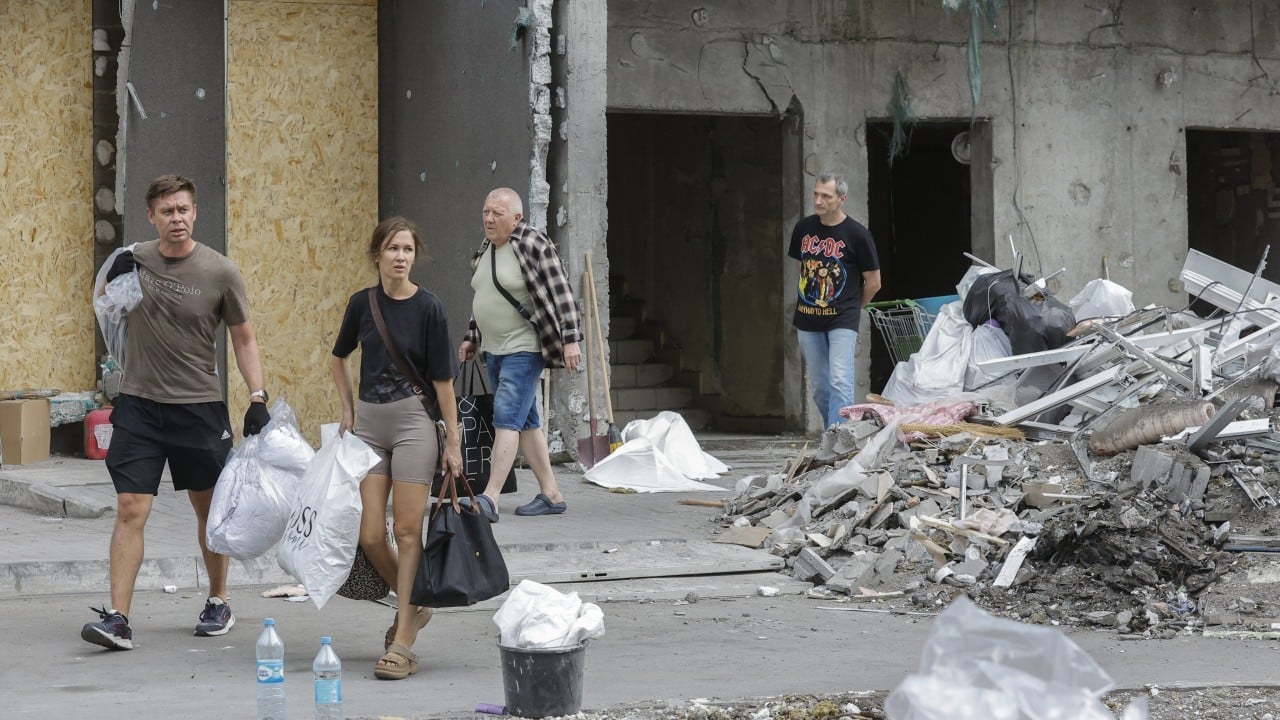
Moscow responded to the maritime losses the only way it knows how. It launched a massive wave of missiles and attack drones directly at Ukraine's civilian and administrative heart. Residents in Kyiv spent the early hours of the morning in underground shelters as air defenses worked overtime. The sound of explosions echoed across the city as intercepted cruise missiles and debris rained down on residential neighborhoods.
This pattern isn't new, but the intensity is shifting. Data from monitors like Rochan Consulting shows that long-range warfare between the two nations has reached its highest frequency since the full-scale invasion started. The Kremlin wants to show that every hit on its economic infrastructure will be met with terror in Ukrainian cities.
It's a desperate cycle. Ukraine knocks out a multi-million dollar logistics asset or a refinery, and Russia burns through its missile stockpiles to smash apartment buildings and power grids in Kyiv. The psychological toll on the capital is immense. Yet, the tactical reality remains unchanged. Kyiv isn't backing down from hitting Russia's economic soft underbelly.
How the Shadow Fleet Became the Primary Target
To understand why these tankers matter so much, you have to look at how Russia managed to survive years of Western sanctions. Moscow built a sprawling network of over 700 aging, poorly insured oil tankers. These vessels hide their ownership through shell companies, disable their transponders, and falsify their locations. They exist for one reason. They get Russian crude oil and refined petroleum to global markets and military hubs without triggering international legal blocks.
For a long time, Western allies relied on diplomatic pressure and paper sanctions to stop these ghost ships. Ukraine decided that wasn't enough. Kyiv's strategy shifted from hitting frontline trenches to systematically dismantling the infrastructure that funds those trenches.
This current push is part of what Ukrainian leadership calls a coordinated influence operation. The strategy targets oil refineries, fuel depots, and transport ships simultaneously. In May alone, Ukrainian drones successfully hit 16 Russian refineries, marking a historic monthly record. By hitting the shadow fleet in the Sea of Azov, Ukraine is proving that no maritime route is completely safe.
The Friction Between Kyiv and Western Allies
You might think Ukraine's allies are universally cheering these strikes. That's not the case. The campaign against Russian oil infrastructure has caused significant friction behind closed doors.
Western nations, particularly the United States, worry about global energy prices. A sudden spike in oil prices can disrupt elections and sour public support for the war. There have been diplomatic warnings sent through backchannels urging Kyiv to ease up on oil tankers and major energy hubs.
Ukraine chooses to ignore those warnings when its survival is on the line. From Kyiv's perspective, asking them to ignore the very ships funding the missiles falling on their homes is unacceptable. The U.S. has provided intelligence assistance to help Ukraine map out flight paths to avoid air defenses, but the choosing of these maritime targets remains an explicitly Ukrainian decision. Kyiv is gambling that the immediate military benefits of choking Russian frontlines outweigh the diplomatic awkwardness with Washington.
The Escalation Curve in the Sky and Sea
The air defense strain on both sides is reaching a critical tipping point. Russian reports claim they intercepted tens of thousands of drones over the first half of this year. While that number is likely inflated for propaganda purposes, it points to a real issue. The sheer volume of incoming projectiles is wearing down Russian defenses.
Russia can't protect everything at once. If they move air defense systems to protect the shadow fleet in the ports of the Sea of Azov, they leave oil refineries in western Siberia vulnerable. If they protect the refineries, the logistics routes to Crimea lay open to attack.
Ukraine faces the exact same dilemma. Every air defense battery deployed to protect frontline troops is a battery that can't protect Kyiv from the retaliatory missile barrages that followed the tanker strikes. This creates a brutal calculus where both sides are trying to out-produce and out-last the other's stockpile of interceptor missiles.
What Happens When the Fuel Runs Dry
The next phase of this conflict won't just be decided by ammunition. It will be decided by logistics. If Ukraine maintains this level of pressure on the shadow fleet, the Russian military will have to make hard choices about where to allocate its remaining fuel reserves.
Civilians in Crimea are already feeling the pinch. When a state of emergency hits a region, military transport gets priority. That means gas stations run dry, public transport stalls, and consumer prices spike. This undermines the Kremlin's narrative that life under occupation is stable and normal.
For the soldiers on the ground, a lack of fuel means stalled offensives and delayed evacuations. Ukraine is using these drone strikes to create a systemic breakdown in how Russia moves its forces. The explosions in Kyiv are a tragic reminder of the cost of this strategy, but the tactical pressure on Russia's maritime supply lines isn't slowing down.
To stay ahead of these shifts, watch the movement of the remaining tankers in the region. Tracking maritime transponder data and local energy emergencies in occupied territories will tell you exactly where the next military flashpoint is going to blow up.