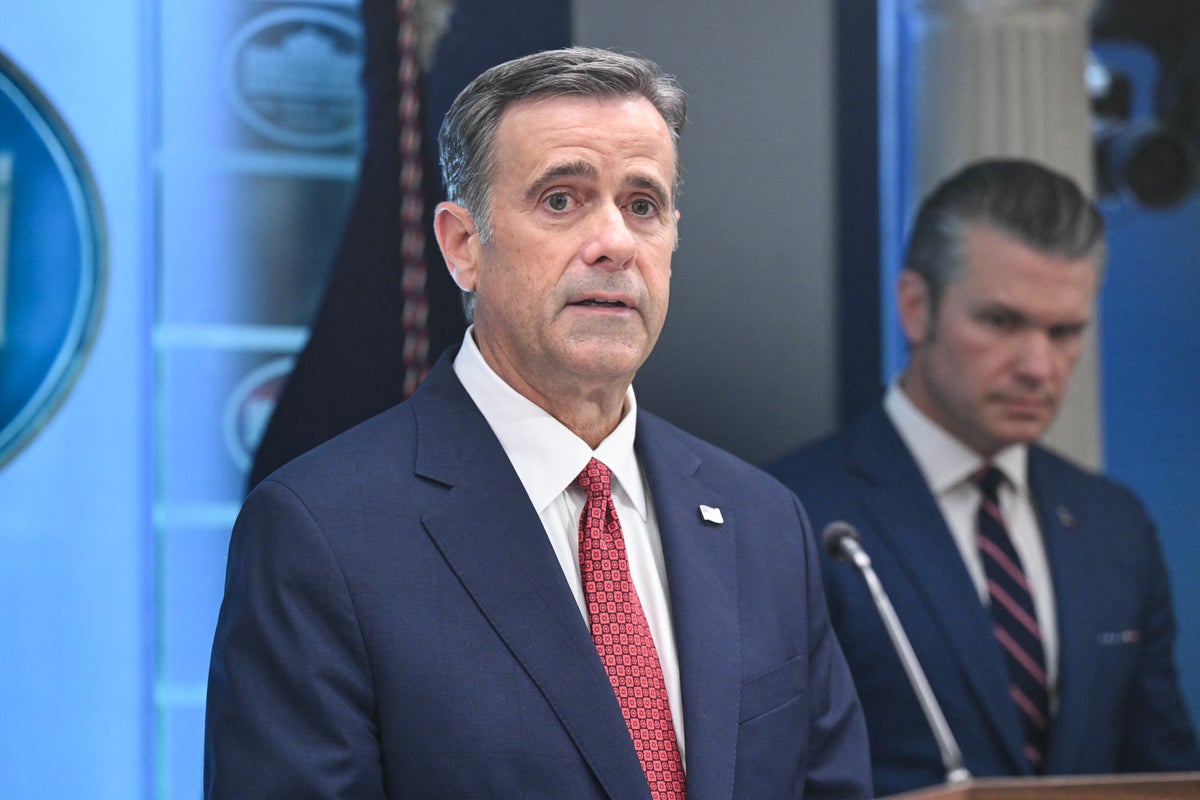
When the Treasury Department rolls out a sweeping financial offensive and slaps it with a dramatic moniker like "Operation Economic Outcast," you expect a thunderclap. What the Trump administration actually delivered felt more like a polite warning shot. Treasury Secretary Scott Bessent stood at a podium and branded the move an economic D-Day, targeting roughly 60 entities, individuals, and shipping vessels linked to Iran's aviation, technology, and digital asset sectors.
Yet the real story isn't what was included in the package. It's what was deliberately left out.
Major Chinese financial institutions and the primary oil-buying networks that keep Tehran's treasury afloat were spared from immediate secondary sanctions. Bessent explicitly admitted the administration's hesitation, asking aloud why the White House would want to blow up the global financial system. That single sentence exposes the fundamental trap of modern economic statecraft. Washington wants maximum coercion without accepting any collateral damage.
The Limits of Financial Pressure
Years of watching maximum pressure campaigns play out reveal a glaring structural flaw. Economic hardship rarely translates into political capitulation. When a nation's back is against the wall, its leadership tends to double down rather than surrender.
Think about how this has worked historically. Ordinary citizens shoulder the burden of soaring inflation, broken supply chains, and restricted access to medicine or basic goods. Meanwhile, the ruling apparatus adapts. Iran has spent decades perfecting the art of economic evasion through shadow shipping, front companies, and regional intermediaries.
Experts across the policy spectrum note that these measures create immense friction for global commerce—disrupting everything from Indian rice exports to regional shipping lanes—while failing to alter Tehran's core strategic calculations.
- The Enforcement Gap: Penalizing secondary actors requires going after major trading partners like China, which Washington consistently avoids to prevent severe retaliatory blowback.
- The Adaptation Curve: Iranian networks routinely route transactions through compliant hubs or alternative digital assets, rendering static asset freezes largely porous over time.
- The Diplomatic Ceiling: Threats of exclusion from the United States dollar system lose their teeth when the target realizes the issuer is unwilling to detonate its own economic stability to enforce them.
Navigating Global Market Shocks
The ripple effects of these policies extend far beyond political capitals. Global energy markets react instantly to the rhetoric of escalation. Bond yields fluctuate, and shipping insurers tighten restrictions across vital waterways like the Strait of Hormuz.
If you're managing supply chains or international trade exposed to the Middle East or South Asia, relying on short-term regulatory windows is a losing game. The rapid shifts between temporary waivers, sudden enforcement actions, and backroom diplomatic warnings mean businesses operate in a permanent state of hazard.
Washington's strategy relies heavily on private persuasion—presidential phone calls and quiet warnings given to foreign regulators—rather than blunt-force legal instruments. That approach avoids immediate systemic shocks, but it also signals a lack of appetite for a total economic break.
True economic isolation requires a willingness to absorb the shockwaves. Until the White House decides whether it prefers stable global markets or absolute compliance, these high-profile sanctions will remain more theater than transformation.