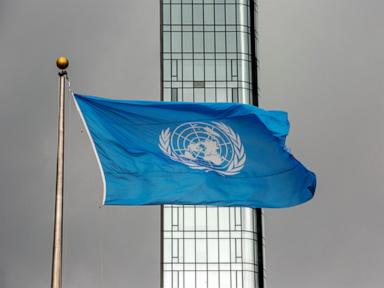
Washington has finally decided to check under the sofa cushions. The United States government is moving to pay 850 million dollars toward the roughly 5 billion dollars it currently owes the United Nations. That leaves an unpaid balance exceeding 4 billion dollars.
For decades, Washington has treated its financial obligations to international bodies like an optional subscription service. This partial payment arrives amid mounting arrears for both the regular UN budget and peacekeeping operations around the globe. The political theater surrounding UN funding reveals a deeper diplomatic strategy of financial leverage. Congress uses the threat of default to steer international policy. Meanwhile, career diplomats scramble to keep field missions funded without appearing weak on the global stage.
The arithmetic of this debt exposes a chronic American strategy. Accumulate massive arrears, wait for a moment of acute international pressure, and then release a fraction of the total owed while demanding administrative reforms in return.
The Anatomy of Arrears
Understanding why Washington owes billions requires looking at the mechanics of the UN budget cycle. The United States is assessed roughly 22 percent of the UN regular budget and 25 percent of the peacekeeping budget. These figures are calculated based on gross national income and economic size.
Congress must appropriate these funds annually. Disconnects frequently occur between what the executive branch promises and what lawmakers actually authorize. When domestic political priorities clash with international treaties, international payments are usually the first items cut.
Lawmakers often attach legislative riders to funding bills. These riders prohibit contributions to specific agencies, programs, or bodies that recognize Palestinian statehood or investigate human rights violations involving allied nations. Consequently, millions of dollars sit frozen in Treasury accounts. The money exists, but the political will to disburse it does not.
+---------------------------------------------------+
|               UN FUNDING BREAKDOWN                |
+---------------------------------------------------+
| Total US Arrears       | ~$5.0 Billion            |
| Proposed Part Payment  | $850 Million             |
| Remaining Deficit      | >$4.1 Billion            |
| Assessed Regular Share | 22%                      |
| Assessed Peace Share   | 25%                      |
+---------------------------------------------------+
Peacekeeping Operations on Life Support
Field operations bear the brunt of this fiscal gamesmanship. When the United States withholds its peacekeeping assessments, the UN cannot reimburse troop-contributing nations.
Developing countries supply the bulk of infantry and police officers for blue helmet missions. Nations like Bangladesh, Nepal, India, and Rwanda absorb the financial shock when Washington defaults. These governments pay their soldiers upfront, expecting timely reimbursements from the UN. When American arrears mount, the UN delays payouts.
Troop contributors face a brutal choice. Absorb the debt and strain their own national treasuries, or withdraw their forces entirely.
National prestige keeps some flags flying in conflict zones. Yet financial strain breeds resentment. Smaller member states watch Washington lecture the world on the rule of law while running a multi-billion-dollar tab at the diplomatic house.
The Politics of Leverage
Arrears are not an administrative accident. They are a weaponized instrument of foreign policy.
Successive presidential administrations have used the threat of bankruptcy to extract concessions from the UN Secretariat. Threaten to pull the funding, and administrative bloat shrinks. Threaten to choke off peacekeeping cash, and reform agendas move faster.
This transactional diplomacy has a shelf life. Other major powers notice the pattern. Beijing watches Washington shirk its multilateral dues while expanding its global influence through separate bilateral channels.
When a superpower treats international treaties as conditional, it invites transactional behavior from everyone else. Why should mid-sized economies pay their full assessments on time when the wealthiest nation on earth treats its bill as an open-ended negotiation?
The Cost of Credibility
Financial default carries a silent diplomatic penalty. American delegates sitting in the General Assembly or the Security Council preach fiscal responsibility and institutional integrity. The response from the floor is increasingly cynical.
You cannot demand accountability while running the largest unpaid tab in modern diplomatic history.
The 850 million dollar installment will temporarily quiet critics in New York. It keeps the lights on at headquarters and pays for basic administrative overhead. It does not solve the structural rot at the core of American foreign policy funding. As long as foreign assistance remains a cheap football to kick around domestic political arenas, the United States will remain a chronically delinquent superpower, paying just enough to avoid eviction while the rest of the building falls apart.