The rain in Japan does not always fall as a gentle whisper on paper screens. Sometimes, it arrives with the heavy, unyielding insistence of an iron gate slamming shut.
Listen closely. If you stand near the riverbanks of a nation that has spent centuries negotiating treaties with the sea, you can hear it. Not just the physical drumbeat of water hitting concrete, but the collective intake of breath from millions of people who know what comes next. The sky turns the color of a bruised plum. The air grows thick, heavy with the metallic tang of wet earth and impending grief.
In Tokyo, the rhythm of life is usually dictated by the precise click of commuter train doors and the quiet hum of automated efficiency. But beneath that gleaming surface lies an ancient, primal vulnerability. Nature does not care about your transit schedules. Nature does not read your evacuation alerts.
Consider Kenji Sato, a fictional name for a very real archetype. Kenji sits in his cluttered kitchen in western Japan, staring at a smartphone screen that glows with an urgent, terrifying mandate. Evacuate. Leave. Now. Outside his window, the rain has slowed to a deceptive trickle. The sky is even brightening just a fraction. To an untrained eye, the danger has passed. The storm has spent its fury. Why pack a bag? Why abandon the quiet sanctuary of the living room where his father’s ashes rest on the wooden altar?
Because water has a long memory.
Even as the precipitation dwindles overhead, millions of tons of moisture trapped in the high mountain ranges must find a way down. Gravity is a relentless accountant. It always balances the ledger.
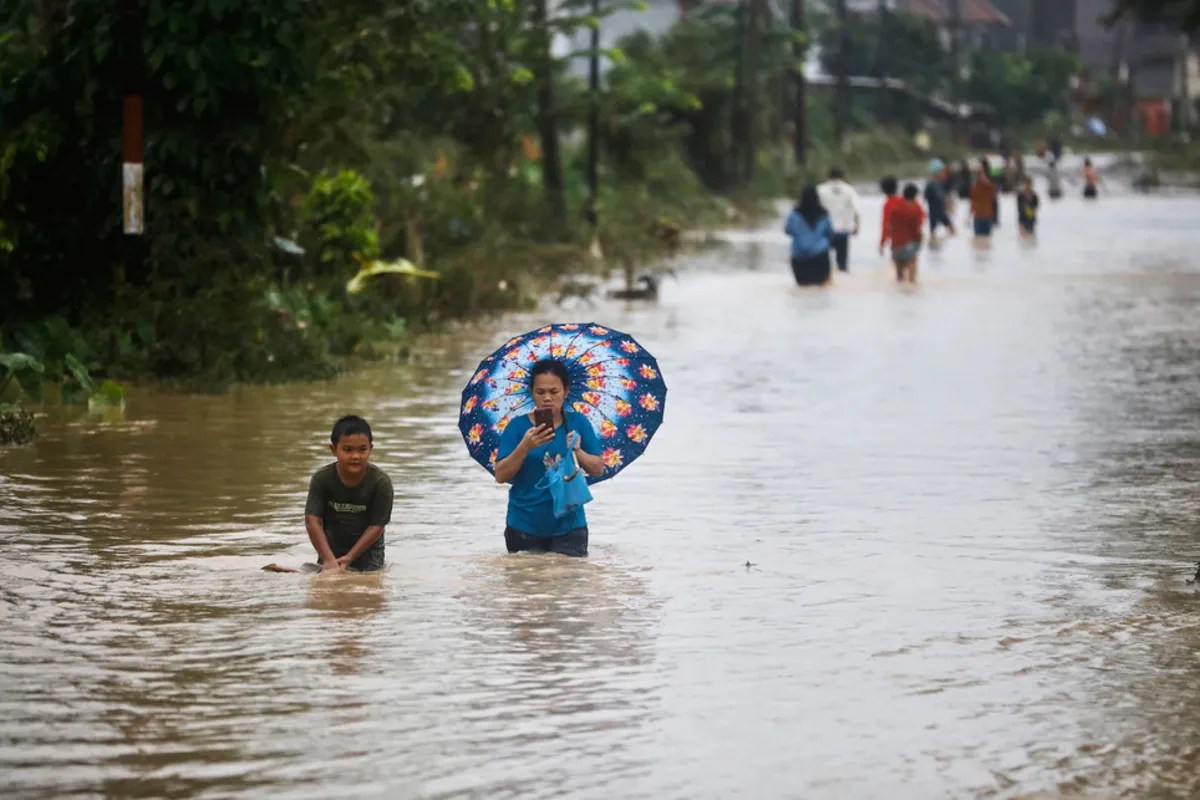
Right now, four hundred thousand people across the affected regions are facing this exact psychological crossroad. The sky is clearing, yet the order stands. Four lives have already been extinguished in the sudden, violent surges that catch neighborhoods before they even have time to wake up. Four souls swallowed by the mud. And so the authorities issue the command not based on what is happening above, but on what is swelling beneath the soil.
Panic is a luxury of the uninitiated. True terror is quiet.
When you look at the raw statistics of modern disaster management, they strip away the human pulse. They reduce human tragedy to spreadsheet rows. Four hundred thousand individuals ordered to pack their lives into a single plastic tote bag. Four deaths. Countless homes balanced on the razor edge of a mudslide. But behind every single one of those numbers is a kitchen table left messy, a pet left wondering where its owner went, a lifetime of ordinary Tuesday afternoons suddenly rendered fragile as spun glass.
We build concrete walls. We carve massive subterranean cathedrals of steel beneath our cities to catch the overflow. We map the watersheds with satellites that can read the temperature of a leaf from three hundred miles up in the vacuum of space. Yet, when the mountains decide to move, our engineering looks like sandcastles built in the path of an oncoming freight train.
The ground becomes liquid.
That is the terrifying physics of a saturated hillside. To the casual observer walking on it yesterday, it was solid ground. Today, under the weight of days of relentless downpours, the clay and bedrock lose their friction. They stop being earth and start behaving like an avalanche of wet concrete. It happens in seconds. There is no time to grab the photo album. There is only the low, guttural roar of the mountain tearing itself apart, followed by a sudden, suffocating darkness.
This is why the evacuation orders go out to hundreds of thousands of people even when the rain subsides. The danger has not vanished; it has merely transformed. It has moved from the clouds into the capillaries of the earth beneath our feet.
Kenji finally stands up. He looks at his father’s altar. He bows once, deeply, and reaches for the emergency kit he prepared after the last close call years ago. He knows the statistics. He knows that staying behind to save a television or a collection of records is a bet against a rigged wheel. The house can be rebuilt. The memories are stubborn things that live in the marrow of the bone, not in the drywall.
As he steps out into the damp, heavy morning air, the sirens begin to wail again. They are not screaming at the storm. They are singing a warning to the living, reminding everyone within earshot that survival is often an act of profound, heartbreaking surrender. You must let go of the place you call home so that you can live to see it tomorrow.
The rivers continue their heavy, muddy march toward the ocean, carrying the debris of broken branches and uprooted lives. And somewhere downstream, the tide waits, patient and indifferent, ready to swallow whatever the mountain leaves behind.