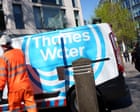
We've all seen dynamic pricing ruin things we actually need. Uber charges you triple when it rains. Airlines jack up ticket prices right before holidays. Now, water companies in England and Wales want a piece of that action.
As scorching heatwaves push reservoirs to their limits and drought declarations spread across the UK, the industry's regulator, Ofwat, has weighed a provocative concept. Suppliers might soon factor water scarcity directly into consumer bills. In plain English? Surge pricing for your kitchen tap. In similar updates, take a look at: Inside the Cleaning Business Profiling Scandal Shaking the Industry.
The Logic Behind Scarcity Pricing
The pitch from utility providers sounds straightforward on paper. Water is a finite resource, yet households treat it like an endless luxury. When a drought hits, demand spikes just as supply dwindles. Proponents argue that economic incentives work. If filling up a paddling pool or watering a lawn costs significantly more during a dry spell, people will stop doing it.
We already accept this model in energy markets. Smart meters encourage households to shift washing machine loads to off-peak hours by offering cheaper electricity rates. Why shouldn't water follow suit? Investopedia has also covered this fascinating issue in great detail.
Some regional suppliers are already testing alternative frameworks. South West Water has run trials with tiered pricing plans for hundreds of households, charging less for minimal usage and scaling up rates as consumption climbs. Other firms have experimented with higher seasonal tariffs for summer months compared to winter.
Why Everyone Is Furious
Theory and reality rarely match up when public utilities are involved. Public trust in water companies sits near rock bottom. Headlines about billions of liters lost to leaky pipes, rivers polluted by sewage overflows, and multi-million-pound executive bonuses have made consumers fiercely protective of their wallets.
Telling ordinary citizens they need to pay dynamic rates for basic hydration while infrastructure leaks away millions of gallons feels cynical. Critics point out a glaring contradiction. If pipes were properly maintained, seasonal scarcity wouldn't bite quite so hard.
There is also the equity problem. Energy use is relatively easy to shift; you can delay running your dishwasher until midnight. You cannot easily tell a household to stop washing clothes or flushing toilets during a heatwave. Poorer families, who already spend a higher percentage of their income on utility bills, have little buffer for sudden price spikes.
What Actually Works Instead
If dynamic pricing is a political minefield, how should suppliers handle mounting climate pressures? Droughts aren't going away. Summers are getting hotter, and rainfall patterns are growing less predictable.
Fixing the leaks remains the obvious starting point. Billions of gallons vanish underground every single day before ever reaching a kitchen sink. Fixing distribution networks does more to save water than penalizing a family trying to keep a tomato plant alive.
Smart metering also holds genuine promise when paired with rewards rather than punishments. Instead of hiking rates during a drought, forward-thinking utilities could offer bill credits or payouts to households that voluntarily cut back, mirroring successful energy-saving schemes. Carrots tend to build loyalty. Sticks just invite public backlash.
Ofwat faces a fine balancing act as it finalizes its regulatory framework. If pricing models roll out without strict consumer protections, expect intense pushback from households and lawmakers alike. Water scarcity is a real crisis, but passing the financial penalty onto consumers while infrastructure crumbles isn't a sustainable fix. Real solutions start underground, not on your monthly bill.