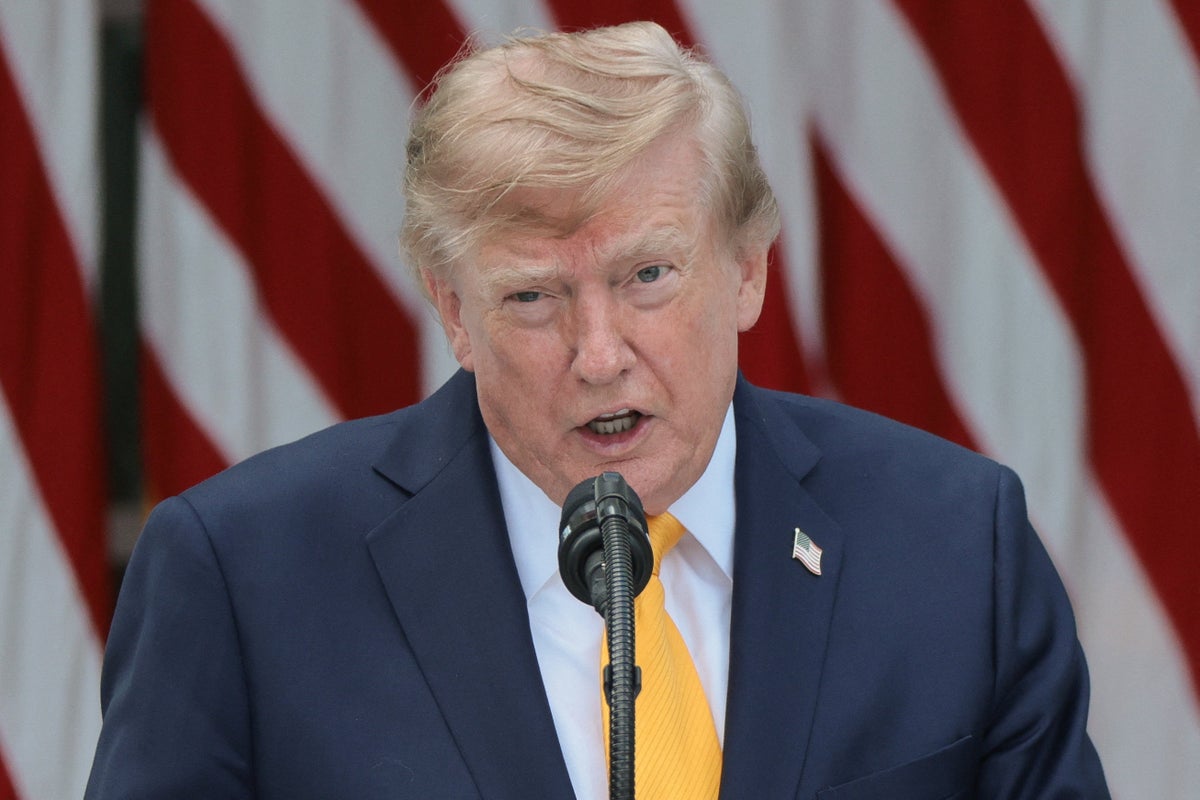
Washington wants the world to believe that a threat from the Treasury Department is an absolute law of gravity. When Treasury Secretary Scott Bessent stepped to the podium to announce an expanded suite of secondary sanctions targeting anyone trading with Tehran, the underlying message was simple. Cut ties with the Iranian regime or get locked out of the global financial grid. This is the core mechanism of secondary sanctions: penalizing non-U.S. companies and foreign institutions for doing business with designated targets, even if the transactions never touch American soil.
Yet the distance between Washington's grand declarations and the messy reality of global commerce has never been wider.
For decades, the United States has relied on the supreme dominance of the greenback as a geopolitical cudgel. Primary sanctions restrict U.S. persons and entities from transacting with blacklisted nations. Secondary sanctions go much further, acting as an extraterritorial dragnet designed to force foreign actors to choose between their local commercial interests and access to New York clearing houses. If a bank in Hong Kong or a shipping broker in Istanbul chooses to clear payments for Iranian oil, it risks losing its correspondent banking relationships in the United States, effectively rendering it an untouchable pariah in international trade.
It sounds foolproof on paper. In practice, it is turning into an administrative game of whack-a-mole.
Consider how the machinery actually operates on the ground. When the U.S. Office of Foreign Assets Control targets key sectors like shipping, aviation, digital assets, or gold, targeted entities do not simply fold their tents. They adapt. Consider a hypothetical shipping broker based in a non-aligned jurisdiction who wishes to move crude. Within forty-eight hours of a designation, the original front company is liquidated, a new entity is registered under a nominal director in a different free-trade zone, and a previously idle Panama-flagged tanker has a fresh coat of paint and a new moniker. The shadow fleet expands. The oil still flows, moving through private refineries and complex maritime transfers that treat U.S. regulatory threats as little more than a minor tax on illicit enterprise.
The real friction point, however, is not the shady maritime network of small-time intermediaries. It is major economic powers who view Washington's unilateral decrees as an intolerable infringement on their own sovereignty.
China remains the premier pressure test for this strategy. Beijing absorbs billions in energy products, utilizing independent refiners while state-owned banks walk a tightrope between compliance and defiance. When Washington previously threatened punitive measures against Chinese financial institutions, Beijing's commerce ministry did not capitulate. Instead, it issued explicit directives instructing domestic firms to disregard extraterritorial edicts. When a superpower decides that enforcement is a paper tiger, the credibility of the entire financial architecture begins to warp.
Every time the White House expands secondary sanctions to cover broader swathes of foreign commerce, it incentivizes those very nations to insulate themselves. Financial messaging systems outside the SWIFT network are built, bilateral currency swaps are signed, and alternative settlement rails are quietly tested. The architects of American economic statecraft treat the dollar's hegemony as a permanent atmospheric condition rather than a wasting asset.
Washington is running up against the law of diminishing returns. Decades of escalating restrictions have institutionalized evasion, turning what was once an emergency financial shock into a managed cost of doing business for rogue regimes. When threats are hurled indiscriminately at allies and adversaries alike, compliance departments drown in administrative bloat while strategic compliance degrades into creative circumvention.
The system still carries immense weight. Smaller firms with exposure to Western markets will run for cover, and strategic partners like the United Arab Emirates or Turkey will weigh the immediate diplomatic cost of defiance. But the illusion of total, leakage-free economic isolation is dying in real-time.
The dollar remains powerful because of deep capital markets and rule of law, not because foreign capitals enjoy being dictated to by an impatient Treasury Department. Each time Washington pulls the secondary sanctions lever without achieving a decisive political outcome, it reminds every other nation on earth of the urgent necessity to build an exit door.
The penalties will be announced with maximum volume. The blacklists will grow longer. And somewhere off the coast of Asia, another unregistered tanker will slip past the radar with its transponder dark, carrying cargo paid for in currencies that never touch a single American bank account.