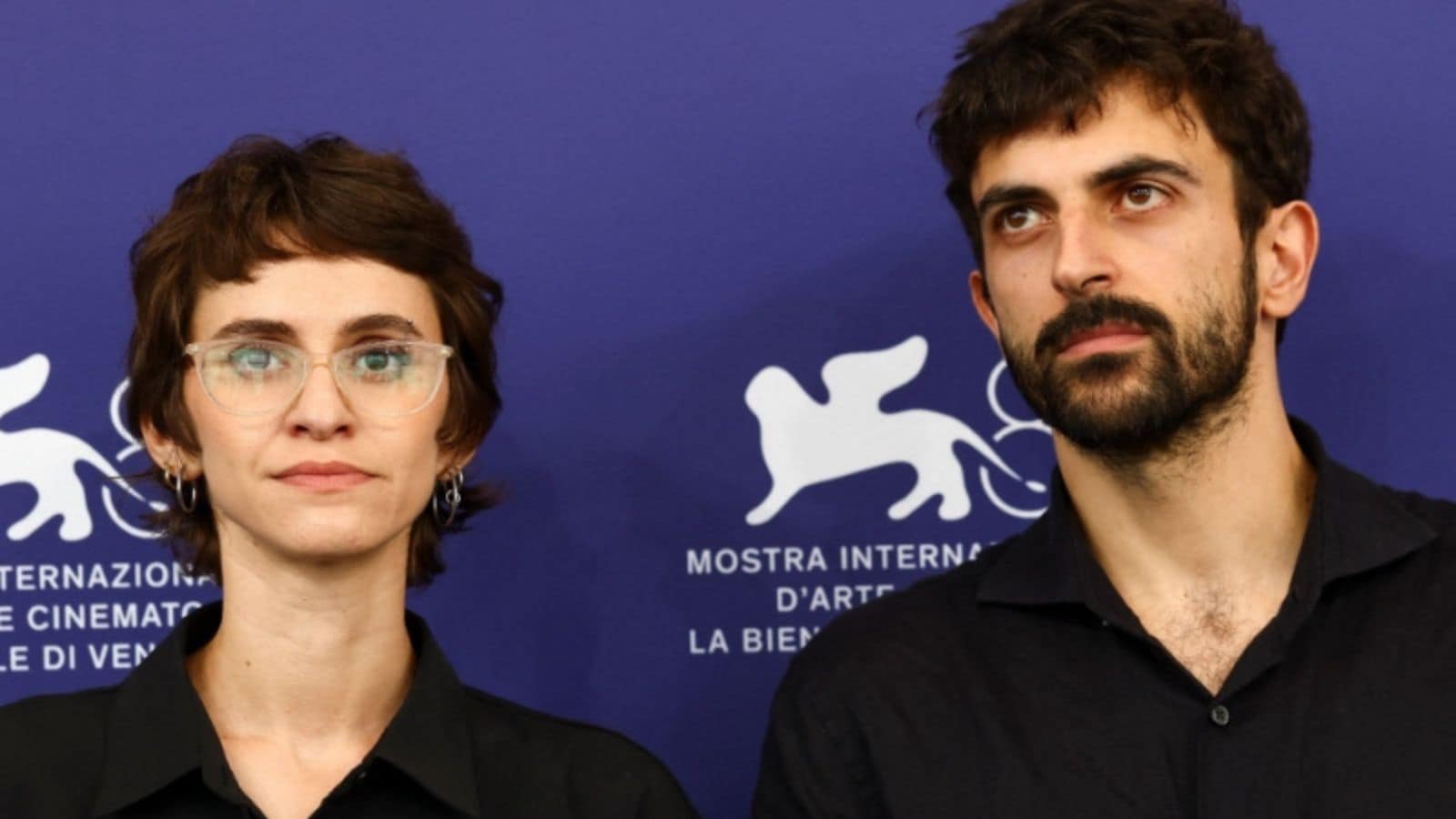
The lazy consensus at major international cinema showcases has become an exhausting predictable loop. Whenever a global crisis flares, artistic platforms immediately transform into proxy chambers for geopolitical posturing. Venice recently provided the latest stage for this routine, with whistleblowers and activist filmmakers using the spotlight to detail casualty figures and push institutional condemnation regarding the Gaza conflict.
The media eats it up. Critics applaud the bravery.
They are all missing the point.
Turning a cultural celebration into a legislative tribunal does not aid the victims of urban warfare. It cheapens cinema, hollows out authentic human expression, and sets a dangerous precedent where art is evaluated not by its aesthetic merit or technical achievement, but by its utility as a political pamphlet.
Let us be entirely clear about what happens when the red carpet becomes a picket line.
The Fallacy of Cinematic Activism
I have spent decades watching prestige festivals pivot from celebrating narrative mastery to signaling moral purity. The underlying assumption among festival programmers and activist creators is simple: silence is complicity, and every available microphone must be seized to broadcast the suffering of the world.
This premise relies on a fundamental misunderstanding of what art actually does. Art does not solve logistics. A documentary or a dramatic testimony screened at the Lido does not alter troop movements, unblock supply lines, or negotiate ceasefires.
When directors stand before international audiences demanding declarations from institutions, they are performing a ritual of comfort for themselves, not a functional intervention for the besieged. It is a sleek, black-tie substitute for actual risk.
Consider the mechanics of the festival circuit. These are elite bubbles funded by corporate sponsors, luxury brands, and government cultural funds. They are insulated, wealthy, and deeply bureaucratic. Using a red-carpet gala to denounce geopolitical atrocities is the safest possible form of rebellion because everyone in the room already agrees with the headline. You are not shocking the establishment; you are entertaining it with its own conscience.
The Professionalization of Outrage
The modern festival entry has increasingly adopted a calculated formula. Creators know that a film touching upon a hot-button geopolitical flashpoint enjoys an expedited path past selection committees.
This creates a perverse incentive structure. Instead of filmmakers pushing the boundaries of visual language, structural narrative, or psychological depth, we see the rise of issue-driven content designed specifically to trigger emotional consensus among European and North American juries.
The art suffers. When a film's primary objective is to serve as an exhibit in a war crimes tribunal, the director sacrifices nuance for impact. Characters become symbols. Complexity is sanded down into digestible moral binaries.
This is the exact opposite of what cinema should achieve. True visual storytelling forces you to sit with contradictions. It refuses to hand you a ready-made placard. The moment a film is valued purely for its statistical accuracy regarding a war zone, it ceases to be a film and becomes an expensive press release.
What Real Accountability Looks Like
If we strip away the self-congratulatory applause of festival attendees, we are left with a brutal reality. Geopolitical catastrophes are stopped by leverage, intelligence, and diplomatic pressure—forces that care very little about who wins the Golden Lion.
When institutions like the Venice Film Festival allow themselves to be converted into advocacy platforms, they abdicate their actual job: protecting art that is vulnerable, difficult, or entirely divorced from the news cycle. By prioritizing the crisis of the week, festivals crowd out smaller, quieter cinematic voices that do not come pre-packaged with a tragedy.
I have seen brilliant, formally daring projects discarded by selection panels because they lacked a ripped-from-the-headlines political angle. That is a cultural tragedy. It turns our cultural institutions into echo chambers that react to algorithms of global misery rather than cultivating enduring human truths.
Stop treating the silver screen as a substitute for a parliament. Stop pretending that a standing ovation in Italy alters the fate of a single human being in an active combat zone.
Demand better art, not louder rhetoric.
Drop the microphone. Turn off the spotlight. And let the films speak for themselves, or stop pretending you care about cinema at all.