The rain over London carries a specific kind of grey, a heavy, familiar damp that settles into the wool of an overcoat and stays there. It is the color of history, of stone buildings weathered by centuries, and of the particular kind of quiet that follows a storm. When the flashbulbs start to pop against that grey backdrop, they do not just illuminate faces; they illuminate years of unsaid things, of distance measured in miles and headlines, and of the complex geometry of belonging.
There is a rhythm to public life that defies simple explanation. To those of us watching from behind screens, a joint appearance is a simple transaction: two people stepping out of a car, a wave, a camera click, a story for the morning edition. But beneath the polished veneer of the public eye lies an invisible architecture of tension. Consider what happens when a private family disagreement becomes global property. Every step is weighted. Every glance is cataloged by forensic analysts of body language, looking for cracks in the armor or signs of a reconciliation that may or may not be real.
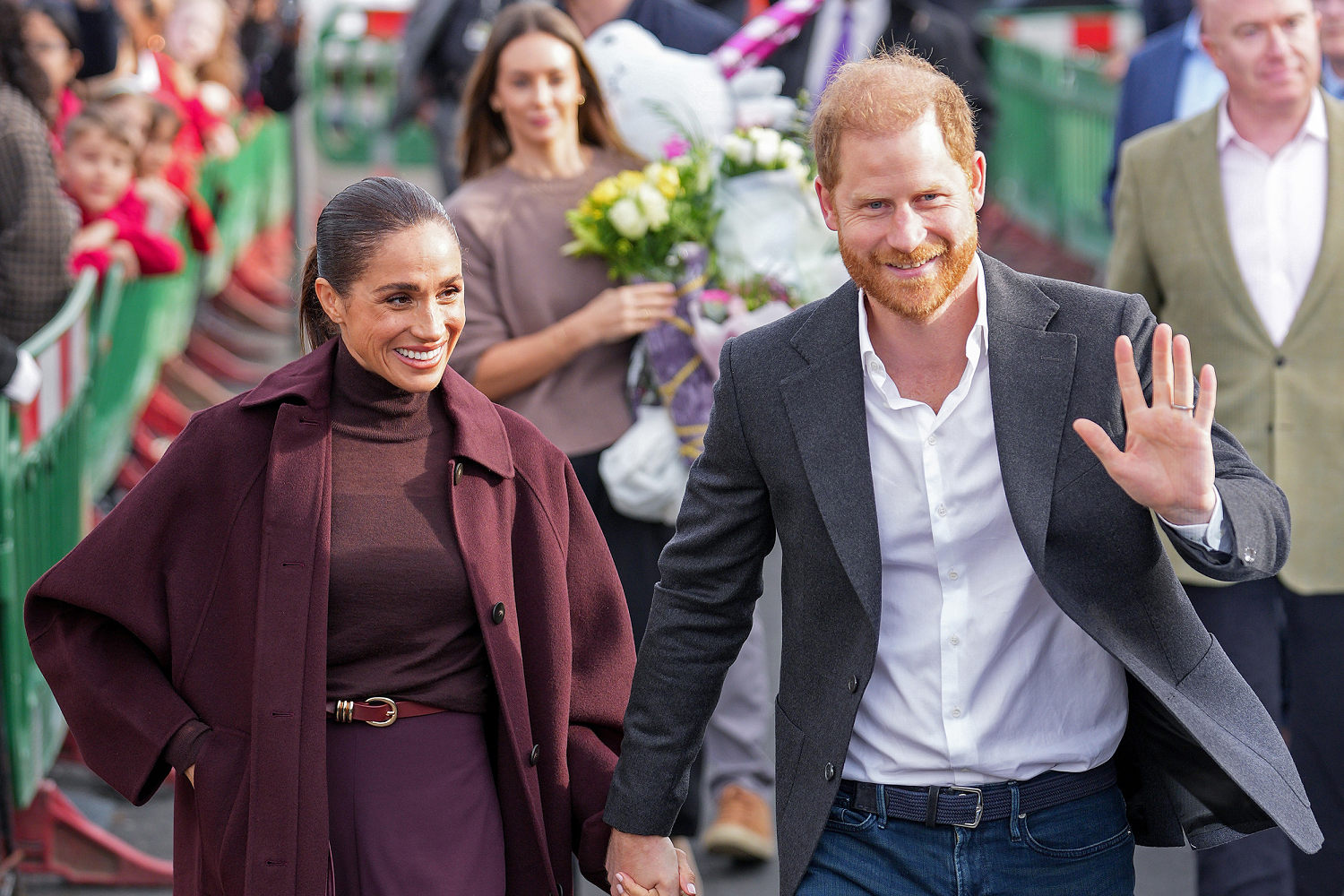
The return to British soil is never just a journey across an ocean. It is a collision between the life left behind and the life chosen. For Prince Harry and Meghan, stepping back into the public arena in the UK invokes a ghost town of memories, both cherished and painful.
The Anatomy of the Spotlight
Look closely at the crowd outside the venue. Faces blur into a sea of smartphones held aloft, modern candles vigilantly recording a moment they could just as easily watch on the six o'clock news. Why do we do this? Why do we crowd the pavements in the chill just to catch a three-second glimpse of individuals whose lives bear almost no direct consequence on our own?
Psychologists call it parasocial attachment, but that clinical term misses the poetry of it. We project our own dramas onto the screens we watch. When marriages strain, when family bonds fray under pressure, when people try to carve out a new identity away from the expectations of their upbringing, we see reflections of our own messy lives. The royal family is essentially a living soap opera with real crowns, a mirror in which society examines its own values regarding duty, independence, and love.
When the car door opens, the air shifts.
The security detail is tight, practiced, moving with the fluid precision of people who anticipate chaos. Flashbulbs create a stroboscopic effect, freezing movement into jagged, high-contrast memories. For a moment, the noise of the crowd fades into a dull hum, replaced by the sharp, rhythmic snap of camera shutters—a sound that has soundtracked the most scrutinized lives of our era.
Walking the Tightrope
There is an art to walking past thousands of people who hold complex opinions about you. You cannot look too happy, lest you appear indifferent to past grievances. You cannot look too somber, or you invite speculation of fresh crisis. You must find that narrow, agonizing middle ground: the polite, approachable grace of public figures performing the oldest ritual in the world—reassurance.
We often forget the human cost of this performance. Behind the tailored suits and the carefully chosen dresses are individuals navigating jet lag, emotional exhaustion, and the quiet dread of knowing that tomorrow's front pages have already been written by people who were nowhere near the room.
Consider the choreography of it all. The precise timing of the exit from the vehicle. The angle of the head nod. The brief pause on the threshold. Every element is weighed, measured, and judged. It is a strange way to live, suspended permanently between genuine human emotion and theatrical necessity.
The Quiet Aftermath
Later, when the doors close and the vehicle pulls away into the London night, the streetlamps cast long, distorted shadows on the wet pavement. The crowd disperses, folding up umbrellas and heading for the underground stations, talking in low murmurs about what they just witnessed.
The headlines will form by morning. The pundits will dissect every micro-expression. Algorithms will feed the images to millions of screens worldwide, perpetuating a cycle of commentary that feeds on itself.
Yet, beneath the noise, the human reality remains remarkably small and quiet. Two people sitting in the back of a car, watching the familiar streets blur past, measuring the distance between who they were and who they are now. The city continues to breathe, indifferent to the turbulence of its most famous sons and daughters, holding fast to its ancient, grey rhythm as the rain keeps falling.