The room smells of diluted bleach and cold iron.
It is 3:14 in the morning. Outside the window, the city hums with an indifferent electricity, unaware that inside this muted corner of the ward, a human life is negotiating its final terms.
Pain has a sound. It is not always a scream. Sometimes, it is the rhythmic, shallow hitch of a breath caught in a throat too dry to swallow. Sometimes, it is the white-knuckled grip on a bedsheet, pulling the cotton until the threads groan.
Elena knows this sound. She has heard it for twenty-two years. She is a nurse whose hair has gone the color of salt and whose eyes hold the quiet exhaustion of someone who has watched too many people slip beneath dark water. Right now, she is holding a cup of crushed ice to the cracked lips of a man named Arthur. Arthur is eighty-one. His bones feel like dry twigs inside skin that has turned translucent. He has cancer that has chewed its way through his spine, turning every heartbeat into a white-hot spike driving upward into his skull.
Arthur does not want to talk about heaven. He does not want poetry. He wants the pain to stop. And in the quiet corridors of modern medicine, there is an answer waiting for that desire. A clinical answer. An efficient answer. A cocktail of sedatives and neuromuscular blockers that turns the final act of existence into a scheduled appointment.
Proponents call it a humane release. They call it dignity. They argue that forcing a sentient being to endure unmitigated agony is a form of cruelty, an archaic holdover from an era that fetishized suffering. Why, they ask, do we treat our pets with more kindness than our dying parents? Why do we demand endurance when the outcome is already written in stone?
It is a seductive argument. It is built on empathy. It looks at Arthur’s trembling hands and feels a visceral, breaking surge of pity.
Yet, words matter. The language we use to frame our darkest choices eventually shapes the culture we inhabit.
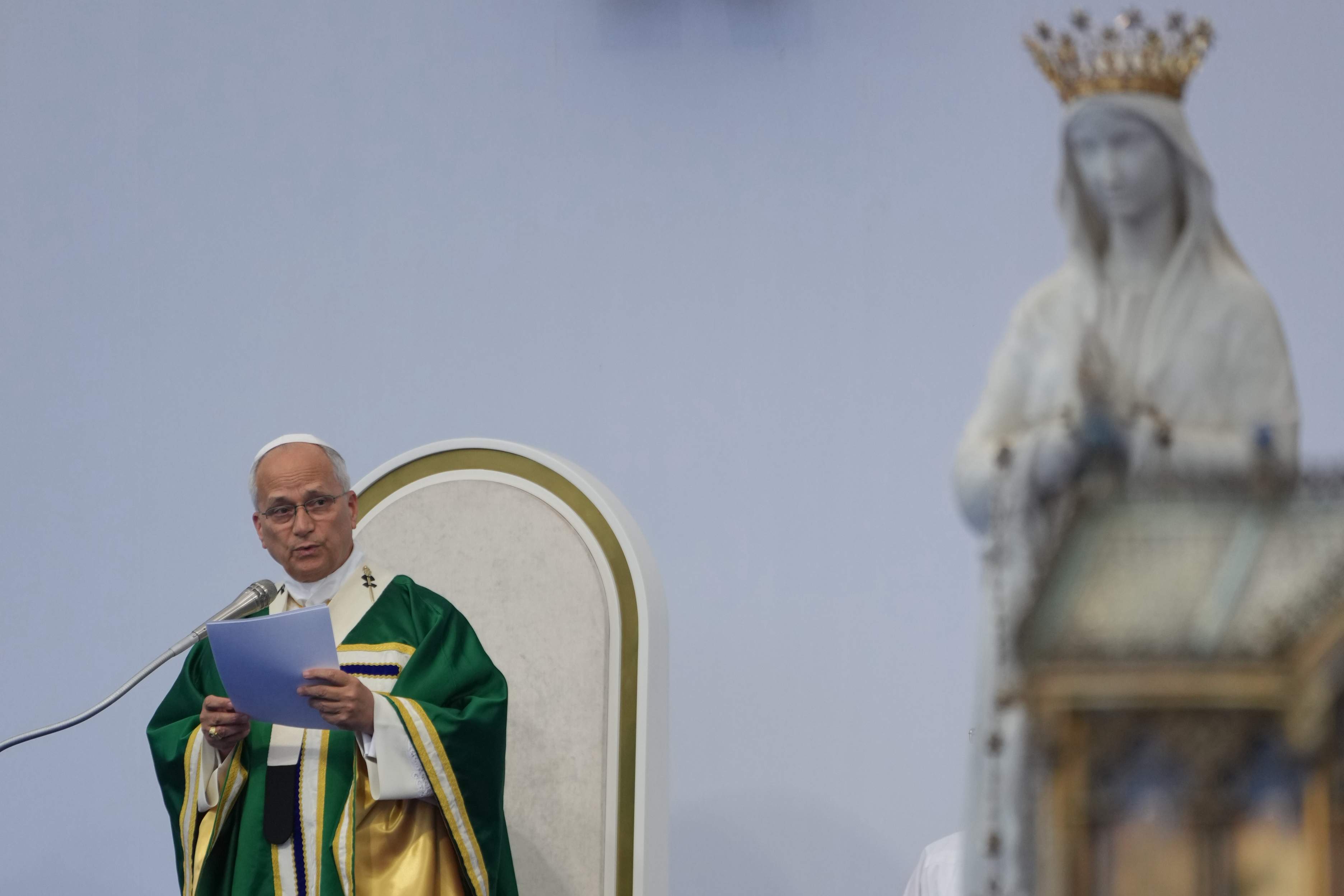
This is precisely where Pope Leo stepped into the global conversation, drawing a sharp, unyielding line in the sand. In a recent apostolic declaration that sent shockwaves through medical ethics boards and secular parliaments alike, the pontiff condemned medically-assisted dying as a profound illusion—a counterfeit mercy he termed "false compassion."
To the modern ear, trained to equate autonomy with virtue, the pronouncement sounded harsh. Out of touch. Cruel, even. How could anyone look at Arthur and deny him a peaceful exit?
To understand the Pope’s warning, however, one must look past the immediate relief of a lethal dose and examine the architecture of the society we are building.
Compassion, at its linguistic and emotional root, means to suffer with. It comes from the Latin com-pati. It requires presence. It demands that we step into the mud with the afflicted and refuse to leave them alone in the dark. It is heavy. It is inconvenient. It costs time, money, emotional stamina, and institutional resources.
Assisted dying, by contrast, is clean. It is efficient. It can be scheduled between Tuesday meetings.
Consider the subtle, corrosive shift that occurs when society institutionalizes the idea that a life lacking quality—as defined by productivity, independence, or comfort—is a life whose termination can be facilitated by the state. At first, it is strictly voluntary. It is restricted to the terminally ill, the desperately suffering, the competent adult who signs the papers with a steady hand.
But borders in human behavior never stay where they are drawn.
Once you establish the premise that certain lives are not worth living because of the suffering they contain, the definition of suffering expands. It creeps outward like a stain on drywall. Soon, it includes the chronically ill. Then the mentally disabled. Then the depressed teenager whose horizon looks bleak. Then the elderly person who quietly realizes they are costing their children their inheritance and filling a bed that someone younger might need.
This is the invisible slope. This is what the Vatican’s moral theologians mean when they talk about a culture of disposal.
When we tell a person like Arthur that we can help him die because his life has become too hard to witness, we are sending a terrifying subtext: You are right. You are a burden. Your existence has lost its utility.
Arthur does not want to die because he hates life. He wants to die because he hates being a burden. He hates needing his daughter to change his sheets. He hates the hospital bills piling up on the kitchen table like gravestones. He hates feeling like a ghost occupying space in a world that moves too fast to wait for the slow, messy unraveling of natural death.
The desire for medically-assisted dying is rarely an expression of absolute autonomy. More often, it is a cry of loneliness. It is a symptom of a society that has outsourced its caregiving to sterile institutions and left the dying to rattle around in solitary confinement.
We have built a medical system that is miraculous at keeping people alive and utterly bankrupt at teaching people how to die.
When Elena sits with Arthur, she is doing something that cannot be billed to an insurance company. She is not administering a fatal dose. She is adjusting his pillow. She is wiping his brow with a warm washcloth. She is listening to him talk about his wife, who died ten years ago in that same bed.
That is the work of true compassion. It is agonizingly slow. It requires society to spend billions of dollars on palliative care, home health aides, psychological support, and pain management infrastructure. It requires us to look at human decay and refuse to turn away in disgust or impatience.
When a government legalizes assisted dying, it often takes the cheaper, easier route. It funds the lethal injection faster than it funds a hospice bed. It offers a permanent exit while underfunding the palliative treatments that could make the remaining months bearable, dignified, and rich with human connection.
It is cheaper to help someone die than it is to care for them until they die. Let that brutal economic reality sink into the architecture of modern healthcare.
Hypothetically, imagine a society where every dying person is surrounded by a team of specialists whose sole job is to eradicate pain, manage anxiety, and reassure the patient that their worth does not diminish as their body fails. In that world, requests for accelerated death plummet. When people feel cherished, when they feel that their presence—even in profound weakness—still anchors the hearts of those they love, the desire to vanish fades into the background.
People do not usually want to die because they are in pain. They want to die because they feel abandoned.
Pope Leo’s critique cuts straight to the marrow of this crisis. By naming the practice "false compassion," he is refusing to let us flatter ourselves. He is challenging the West’s addiction to autonomy at all costs.
Autonomy is a sacred value, yes. But it is not the only value. Justice, solidarity, and the protection of the vulnerable are values that frequently require us to limit absolute individual choice for the sake of the common good. We do not permit people to sell themselves into slavery, even if they claim absolute autonomy over their bodies. We do not permit assisted suicide for the clinically depressed teenager, even if they beg for it. We draw lines because we recognize that certain human vulnerabilities demand societal protection, not facilitation.
When the state steps into the role of a death-dealer—even a benevolent, soft-spoken one—it changes the social contract. It transforms the doctor from a healer into a gatekeeper of the exit. It tells the most fragile members of our communities that their lives are contingent upon their continued utility and comfort.
Arthur is asleep now. The morphine drip is humming a low, steady rhythm in the background. His breathing is still ragged, but the white-knuckled grip on the sheet has loosened. His fingers are resting flat against the cotton, open and vulnerable.
Elena stands by the window, watching the first pale smear of dawn bleed across the concrete skyline. She knows the debate raging in the capitals of the world. She knows the politicians drafting bills, the ethicists writing papers, the pontiffs issuing encyclicals.
None of that matters in this room. What matters is the quiet, stubborn refusal to abandon a human being to the cold mathematics of efficiency.
To care for someone when they are strong is easy. To care for someone when they are useful is natural. But to sit beside someone when they are broken, useless, and crying out for the end—and to look them in the eye and say, You matter, I am staying, we will walk this out to the very last breath together—that is something else entirely.
That is not false. That is the hardest, truest thing a human being can do.


