The Sound of Perfection
The kitchen counter was wiped clean. Not just tidy, but bleached of life, reflecting the cold morning light like a sheet of fresh ice.
Arthur stood there at six in the morning, holding a coffee mug that he had already washed twice. His tie was knotted with absolute symmetry. His shoes caught the reflection of the floorboards. To anyone walking past his suburban window, he was the picture of unshakeable competence. A man who had conquered chaos. A man whose life ran on rails of polished steel.
Inside his chest, a heavy iron door was buckling under the pressure.
We have all met Arthur. Sometimes, we see him in the mirror. He is the person who answers "I'm doing great, thanks" before you even finish asking. He is the colleague who pulls off the impossible presentation with a calm smile, only to sit in his parked car in the dark for forty minutes afterward, staring at the steering wheel because his hands will not stop shaking.
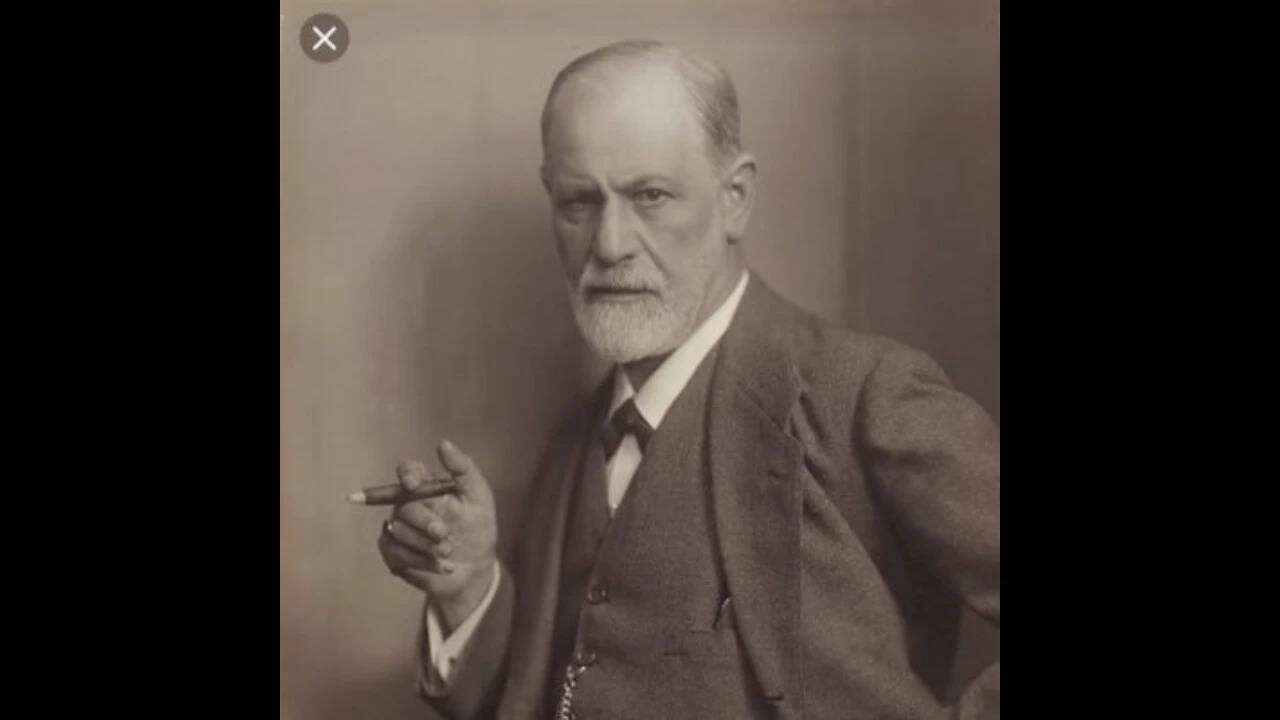
Sigmund Freud left us a sentence that cuts straight through the theater of daily life. He noted that the more perfect a person looks on the outside, the more demons they harbor within.
It sounds like a dark observation. It is actually a map of human survival.
The Armor We Build
Consider what happens when a child learns that love is conditional.
This is not a dramatic tragedy in the cinematic sense. It is quiet. It happens at kitchen tables where report cards are laid out like verdicts. It happens in hallways where raised voices are swallowed by polite whispers. The child learns a simple, brutal equation: mess equals rejection. Anger equals danger. Vulnerability equals weakness.
So, the child picks up a trowel and starts building.
They layer the mortar thick. They smooth down the edges of their personality until every jagged, inconvenient piece of authentic human emotion is sanded away. They become agreeable. They become high-achieving. They become the person who never drops a ball, never misses a deadline, and never asks for help because asking for help is an admission of failure.
By the time they reach adulthood, the construction is complete. It is magnificent. It is terrifying.
Psychologists call this defensive perfectionism. It is not an aspiration toward excellence. It is a bunker. The cleaner the exterior, the more frantically the occupant must work to keep the interior mess from spilling out.
When you spend every waking hour managing how the world perceives you, you stop living. You become a curator of illusions.
The Breaking Point
I remember sitting across from a woman named Elena in a noisy café years ago. She was a brilliant architect, a woman whose professional designs were celebrated for their seamless integration of form and function. Her personal life, as presented on social media and in casual conversation, was an art gallery of curated joy.
Then she dropped her fork.
It made a sharp, metallic clatter against the ceramic plate. Elena froze. For three seconds, she stared at the fallen utensil as if it were a live grenade. Her breathing stopped. When she looked up, her eyes were wide with a panic that had nothing to do with cutlery and everything to do with the fact that her facade had slipped by half an inch.
"I'm sorry," she whispered, her voice cracking. "I'm so tired."
That is the hidden cost of absolute perfection. It requires a staggering amount of cognitive bandwidth. Every interaction is calculated. Every word is weighed against the fear of exposure. The demons Freud spoke of are not mystical monsters; they are simply the rejected parts of the self—fear, grief, inadequacy, rage—that have been locked in the basement without food or water for decades.
And the longer you keep them down there, the harder they kick against the door.
We see the tragic results in the news with alarming regularity. The brilliant executive who seemingly had it all, who laughed at the office party on Friday and was gone by Monday. The beloved community leader whose private life was a wilderness of quiet desperation. The world gasps and mutters about how unexpected it was.
It was never unexpected. It was just invisible to people who refused to look past the polish.
The Art of the Crack
Kintsugi is the Japanese art of repairing broken pottery with a special lacquer dusted with powdered gold. Instead of trying to hide the cracks, the artisan highlights them. The break becomes the most beautiful, resilient part of the object.
Human beings desperately need a cultural dose of kintsugi.
The pursuit of flawlessness is a dead-end street. It promises safety but delivers isolation. After all, if you present yourself as a pristine monument, nobody can get close to you. Intimacy requires rough edges. It requires you to let someone see you when your hair is messy, your thoughts are tangled, and your competence has entirely evaporated.
Consider what happens when we finally drop the act.
The sky does not fall. The earth keeps spinning. More importantly, the immense, crushing weight of maintaining the illusion lifts from your shoulders. The energy you previously wasted on hiding your flaws can suddenly be redirected toward actually healing them.
Arthur eventually learned this, though not by choice. His body made the decision for him when his blood pressure spiked so violently during a routine Tuesday meeting that he found himself staring at the acoustic ceiling tiles of an emergency room.
He didn't lose his job. He didn't lose his family. In fact, when he finally looked at his wife and said, "I am drowning, and I don't know how to swim," she didn't run away. She simply reached across the hospital bed and took his hand.
The demons do not vanish overnight. They are persistent tenants. But when you turn on the lights in the basement, when you open the door and let them see the sun, they lose their teeth. They stop being terrifying entities howling in the dark. They become merely what they always were: wounded, fragile parts of a human being trying very hard to survive.
Perfection is a sterile museum piece. Life happens in the messy, chaotic, unpolished rooms where we are brave enough to admit the truth.
The mask is heavy. Put it down.