The Media Bought the Wrong Circus
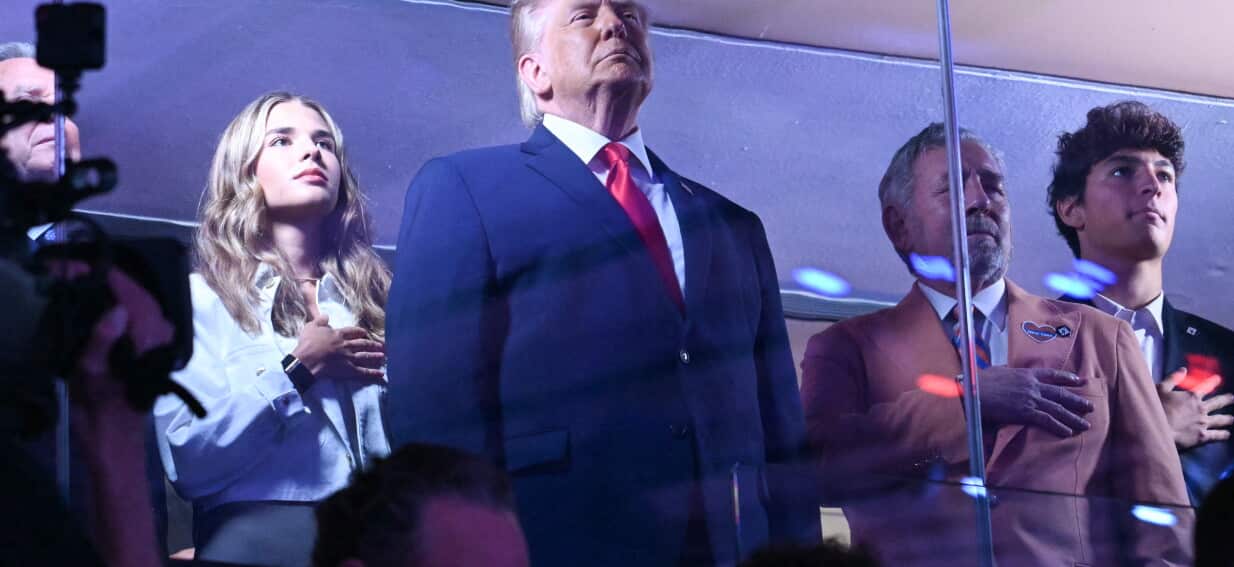
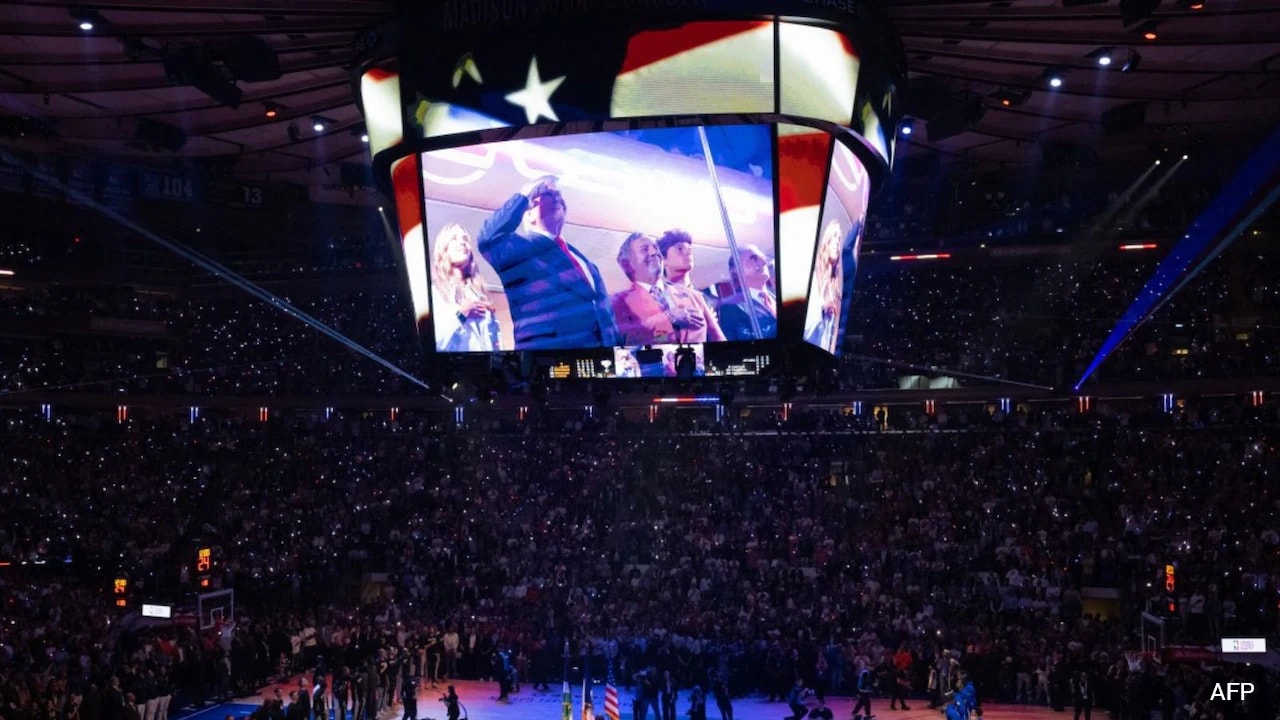
The mainstream basketball press just spent an entire week weeping into their keyboards because a former president walked into Madison Square Garden and "stole the spotlight" from a New York Knicks versus San Antonio Spurs NBA Finals matchup. They are treating it like a tragedy. They claim politics ruined sports' biggest stage, that Victor Wembanyama’s crowning moment was hijacked, and that the pure essence of the game was compromised by a sideshow.
They are completely wrong.
The media is mourning a narrative that never existed. The real story isn’t that a political figure eclipsed the NBA Finals. The real story is that the NBA Finals itself has become a manufactured narrative vehicle, and the league’s desperate attempt to build a new era around a single French phenom just ran headfirst into reality.
I have spent nearly two decades analyzing sports media rights, audience metrics, and league economics. I have seen networks burn billions trying to manufacture the next Michael Jordan or LeBron James. The lazy consensus surrounding this series is that Wembanyama versus the big-market Knicks is peak basketball.
It isn't. It is an artificially inflated bubble. The political circus didn't ruin the basketball product; it rescued an audience that was already tuning out because the product on the floor is built on a fragile foundation.
The Myth of the New York Savior
Let’s dismantle the first pillar of this media delusion: the idea that a Knicks Finals run is the ultimate savior of NBA viewership.
Every TV executive in America salivates over New York because of market size. It is a reflex. But market size does not equal sustained cultural relevance anymore. For twenty years, the narrative has been: "If the Knicks get good, the NBA wins."
The Illusion of Market Size
Look at the actual data from regional sports networks and national broadcast trends over the last decade. A massive market like New York provides a high floor, but it does not dictate the ceiling. The highest-rated NBA Finals of the modern era did not feature New York or Los Angeles. They featured Cleveland and Oakland.
Why? Because modern sports audiences chase historic execution and genuine rivalry, not just the ZIP code of the arena.
The Knicks making the Finals is a great local story, but nationally, it relies entirely on nostalgia and tribalism. When you strip away the celebrity row and the fake energy of Madison Square Garden, the basketball being played is heavily reliant on high-volume isolation and structural advantages that do not translate to broader fan engagement. The media focuses on the noise of New York, confusing it with the signal of a healthy sport.
The Wembanyama Trap
Now let’s talk about the golden goose: Victor Wembanyama.
The basketball establishment has decided that Wembanyama is the undisputed future of the league. He is a marvel. His length, his skill set, and his defensive gravity are unprecedented. But the media has fallen into the trap of confusing a great prospect with a great product.
Traditional NBA Superstar Growth:
Drafted -> Incremental Improvement -> Playoff Scar Tissue -> Championship Contender

The Wembanyama Media Model:
Drafted -> Immediate Global Savior Expectation -> Manufactured Finals Narrative
By forcing Wembanyama into the Finals narrative so early, the league and its media partners have skipped the crucial steps of building genuine competitive tension.
The Structural Flaw of Tall-Guy Bias
Historically, the casual NBA fan does not connect with 7-foot-4 giants the same way they connect with guards and wings.
- They loved Michael Jordan because they could imagine themselves flying.
- They loved Stephen Curry because they could practice his shot in their driveway.
- They respect dominant big men, but they rarely buy their shoes in the same volume.
When the media acts shocked that a political figure or a cultural event can outshine a player like Wembanyama, they are ignoring decades of consumer behavior. Wembanyama is an alien. He is fascinating to watch, but he is fundamentally unrelatable to the casual viewer.
People Also Ask: The Wrong Questions, Answered Honestly
The sports media ecosystem routinely asks the wrong questions because the correct answers would force them to admit their business model is fracturing.
"Did politics hurt the NBA Finals ratings in New York?"
No. The ratings were already volatile. The presence of a massive political figure simply highlighted the fact that the NBA no longer commands the monoculture. The league has fragmented its broadcast strategy across so many streaming platforms, regional networks, and national partners that the casual fan has to hunt for games. A political event drew eyeballs because it was a centralized, live event on a single major network that everyone knew how to find. The NBA's distribution problem is the culprit, not external political noise.
"Is Victor Wembanyama the next face of the NBA?"
He is the face of the NBA's scouting departments, not its marketing future. The league is desperately trying to replace LeBron James, but you cannot manufacture a global icon through hype alone. A true face of the league requires a domestic rival, a contrasting style of play, and a narrative built on overcoming failure. Handing Wembanyama the crown before he has won a single playoff series creates a vacuum where external drama can easily steal the spotlight.
The Danger of the Highlight Culture
The core issue that this specific Finals series exposed is the NBA's reliance on highlight culture over actual game viewership.
The NBA is the king of social media. A video of Wembanyama blocking a shot or hitting a step-back three gets ten million views on TikTok within an hour. The league office celebrates this as a massive win.
But here is the brutal truth from inside the industry: You cannot monetize a TikTok view the same way you monetize a three-hour television broadcast.
| Metric | Social Media Clip | Full Live Broadcast |
|---|---|---|
| Viewer Attention | 9 seconds | 2.5 hours |
| Ad Revenue Generation | Fractions of a cent | Premium commercial slots |
| Consumer Retention | Low (swipe away) | High (sunk time investment) |
When you train your audience to consume your sport via 10-second clips, you destroy the value of the live game. Why would a casual fan sit through two hours of foul calls, commercial breaks, and strategic adjustments just to see Wembanyama, when they know they can see his three best plays on their phone while lying in bed?
When a major cultural or political event occurs simultaneously with the game, the casual viewer switches channels to watch the live event unfold, confident that they won't miss any basketball because the internet will feed them the highlights later. The NBA didn't lose its spotlight to a politician; it traded its spotlight away years ago in exchange for cheap internet engagement.
The Downside of the Contrarian Reality
Admitting this reality is painful for basketball purists. The downside to looking at the sport through this cold, analytical lens is that it sours the magic of the game. It forces us to acknowledge that the NBA is no longer just a sports league; it is a content syndication business that happens to take place on hardwood.
If you want to fix this, you don't do it by banning politicians from courtside seats or by writing angry columns about how the media needs to focus on the game. You fix it by changing the structural incentives of the broadcast.
- Reduce the number of regular-season games to make each matchup scarce.
- Limit the immediate availability of comprehensive game clips on social media during live windows.
- Force the audience to watch the game if they want to experience the culture.
The NBA won't do this because they are addicted to the short-term hit of viral numbers. They will continue to complain about external distractions while ignoring the fact that they built the very house that those distractions are walking right through.
Stop blaming the circus outside the arena. The circus inside was already selling fake tickets.