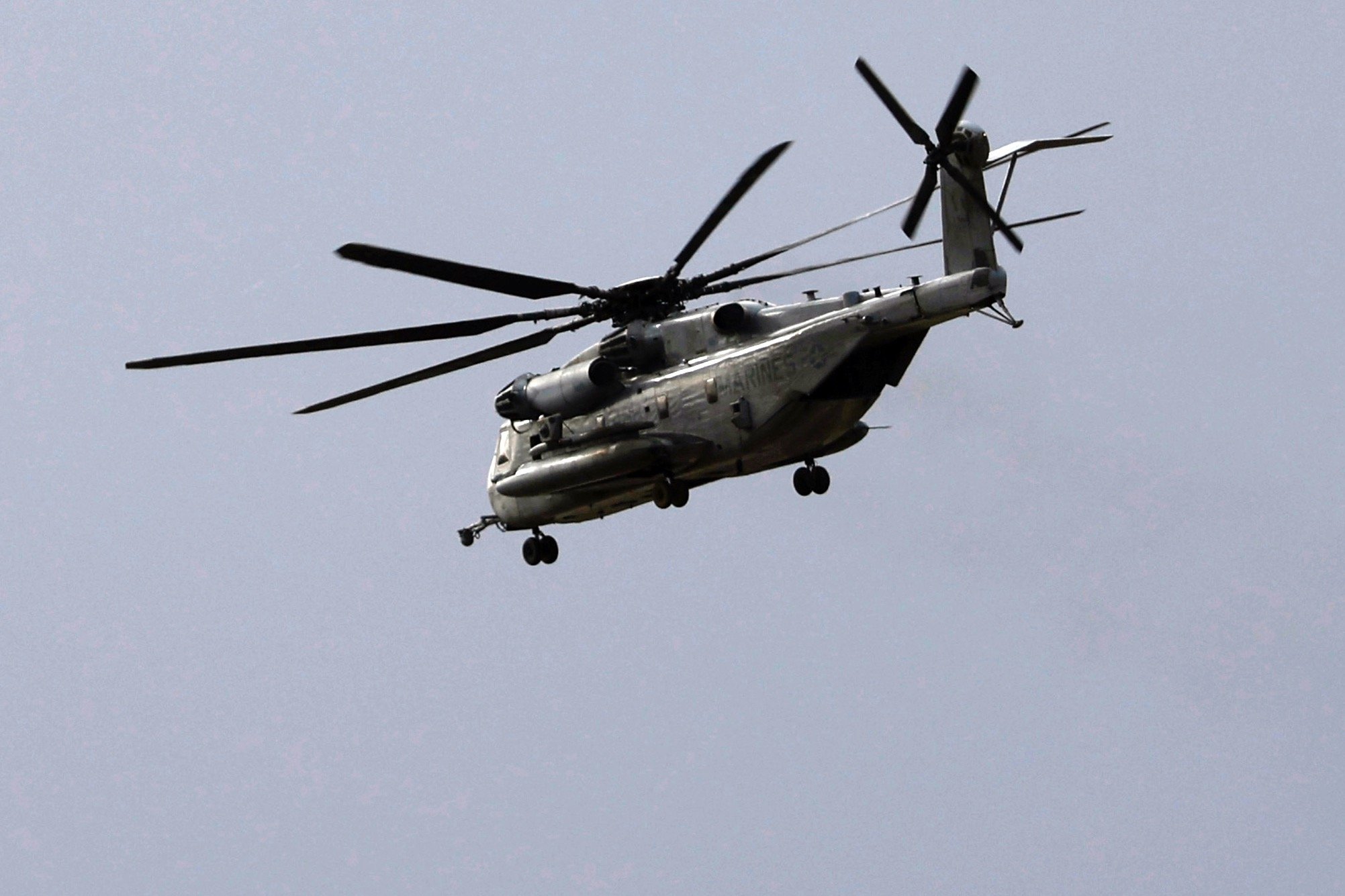
Eight people are dead after a helicopter went down in the dense, unforgiving jungles of West Kalimantan. It’s a headline we see far too often in Indonesia. This isn't just about a mechanical failure or a sudden patch of bad weather. It's about a systemic struggle within one of the world's most challenging aviation environments. When a flight goes dark over Borneo, the rescue mission quickly turns into a recovery operation because the terrain simply doesn't allow for mistakes.
Authorities confirmed the tragedy after the aircraft lost contact during what should’ve been a routine flight. Search and rescue teams faced the nightmare of navigating thick canopy and erratic mountain winds just to reach the wreckage. For families waiting for news, the outcome was the worst possible reality. All eight souls on board perished in the impact.
The Reality of Flying Over West Kalimantan
West Kalimantan is a beautiful, sprawling province, but for pilots, it’s a death trap if things go wrong. We’re talking about massive stretches of primary rainforest where the ground is barely visible from five hundred feet up. If an engine fails or the pilot gets disoriented by a "black hole" of clouds, there are zero places to put a bird down safely.
Most of these flights are essential. In Indonesia, helicopters aren't just for the wealthy or for sightseeing. They’re the lifeblood of infrastructure, mining, and medical evacuations. When you don't have roads, you fly. But that necessity comes with a steep price. The weather in this part of the world changes in minutes. You can take off in clear blue skies and find yourself in a torrential downpour with zero visibility before you’ve even reached cruising altitude.
What the Preliminary Data Tells Us
Early reports from the National Transportation Safety Committee (NTSC) suggest that the helicopter was operating within its weight limits, but communication was severed abruptly. Usually, this points to a catastrophic event rather than a slow descent. In many previous crashes in the region, "Controlled Flight Into Terrain" (CFIT) is a recurring theme. This happens when a perfectly functional aircraft is flown into the ground or a mountainside because the pilot couldn't see the obstacle.
- Sudden Microbursts: Intense localized downdrafts that can slam a light aircraft into the trees.
- Maintenance Gaps: The humid, salty air of the Indonesian archipelago is brutal on machinery.
- Pilot Fatigue: High demand for specialized pilots leads to long hours in grueling conditions.
Why We Should Stop Blaming Just the Weather
It’s easy to point at a storm and call it an act of god. That’s a cop-out. The real issue is the culture of safety and the lack of advanced navigation tech in older fleets. Many private operators in Indonesia are still running birds that lack modern terrain awareness systems.
If you're flying in the 21st century, you shouldn't be flying blind. Yet, cost-cutting measures often mean these upgrades are delayed. We see it in the mining sector and we see it in the logistics industry. Companies want the job done fast and cheap. Safety becomes a secondary thought until a tail number goes missing from the radar.
The Search and Rescue Hurdle
The Basarnas (National Search and Rescue Agency) guys are heroes, honestly. They go into places where most people wouldn't take a hike, let alone a rescue chopper. But they're often hamstrung by outdated equipment and the sheer scale of the Indonesian map. In this West Kalimantan crash, it took hours just to pinpoint the signal because of the heavy tree cover.
The recovery of the eight victims was a grim, manual process. There are no landing pads in the middle of a Bornean peat swamp. Rescuers often have to rappel down from hovering aircraft or trek for days on foot through mud that’ll swallow a man whole.
The Human Cost of Aviation Gaps
We talk about statistics, but eight people didn't go home. These were engineers, pilots, and local workers. Every time this happens, the aviation community in Jakarta makes a lot of noise about "tighter regulations" and "mandatory inspections." Then, a few months pass, the news cycle moves on, and we’re right back where we started.
Indonesia’s aviation record has improved over the last decade—it had to, or the EU and US would have kept Indonesian carriers on their blacklists forever. But that improvement is mostly seen in the big commercial airlines like Garuda. The small-scale helicopter and charter industry is still the Wild West.
Moving Toward Real Change
If we want to stop writing these articles, the industry needs a shake-up that goes beyond paperwork. It starts with mandatory GPS-linked emergency beacons that actually work under a jungle canopy. It requires a hard "no-go" policy on weather that isn't just a suggestion, but a rule backed by heavy fines for operators who pressure their pilots to fly.
- Mandatory Tech Upgrades: Every helicopter operating in high-risk zones needs Terrain Awareness and Warning Systems (TAWS).
- Real-time Tracking: Relying on radio check-ins is 1950s tech. We need satellite tracking for every commercial flight.
- Better Weather Stations: We need more localized weather data in West Kalimantan so pilots aren't guessing what's behind the next ridge.
Pressure the authorities to demand transparency from the private charter companies involved in these incidents. If you're a business owner using these services, ask for the maintenance logs. Ask about the pilot's hours. Don't wait for the next tragedy to start caring about who's behind the stick.