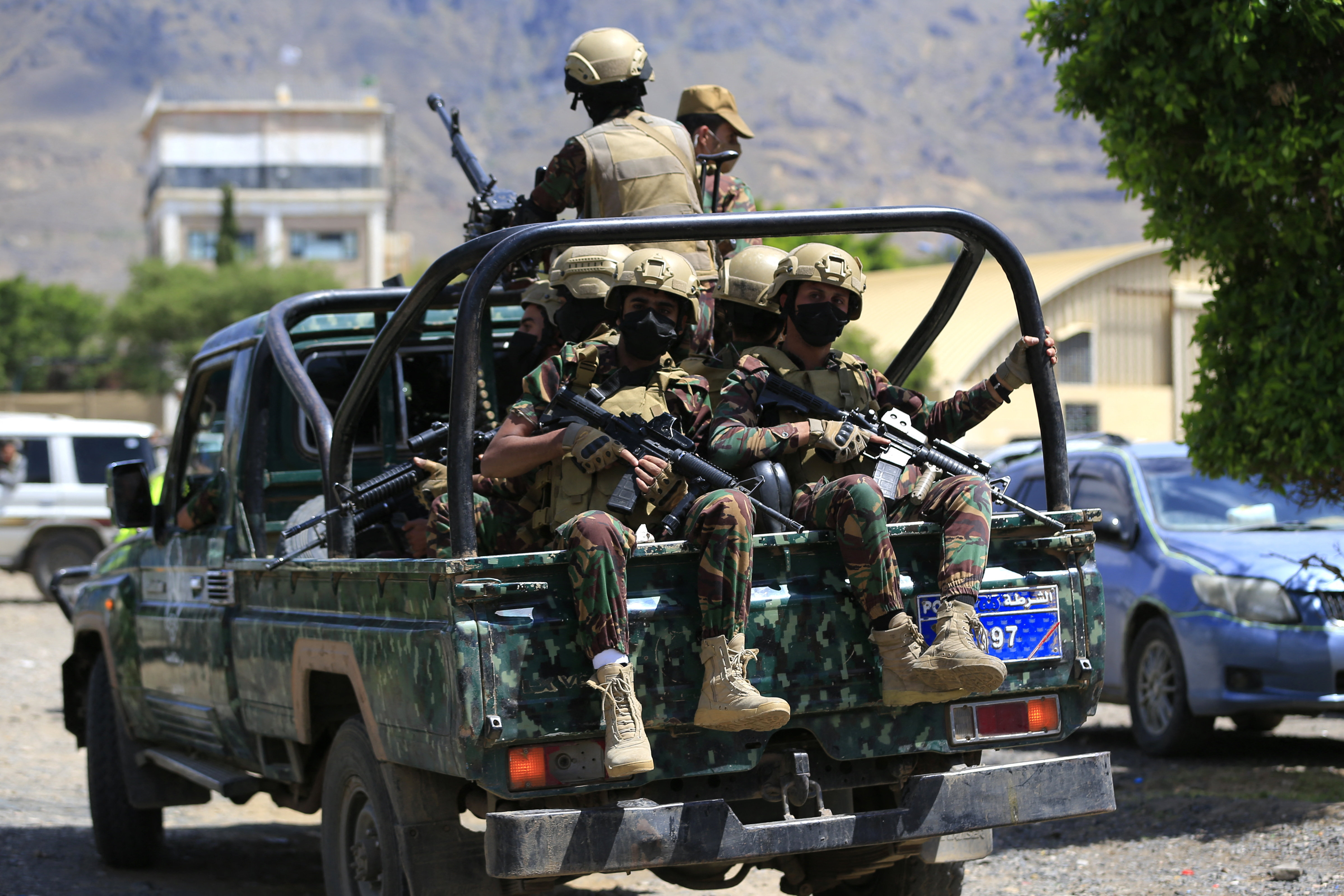
The standard narrative coming out of western journalism regarding Yemen follows a tired, predictable script. Pick up any report on recent Houthi movements pushing deeper into western territories, and you will read a familiar lament about disrupted civilian lives, humanitarian crises, and sudden upending of stability. It paints a picture of an unpredictable wave of chaos crashing over a peaceful, fragile region.
That narrative is not just lazy. It is fundamentally wrong.
I have spent years tracking supply chain corridors and geopolitical fault lines through the Middle East. I have watched analysts sit thousands of miles away in air-conditioned offices and misread tactical ground movements as random acts of aggression, completely missing the structural engineering behind them. What the mainstream press labels as sudden upending is actually a cold, calculated consolidation of logistics and choke points.
Let us strip away the emotional veneer and look at the mechanics.
The Houthi movement does not operate on impulse. Their push into western Yemen—particularly toward critical coastal corridors and Red Sea access points—is not about random territorial acquisition. It is about masterminding a structural monopoly over maritime trade transit routes. When you control the narrow straits and the adjacent land corridors, you control the economic oxygen of international shipping. Western commentators focus entirely on the local humanitarian friction while completely ignoring the macroeconomic chessboard being played out in real-time.
Consider the conventional wisdom: that these offensives are defensive reactions or desperate land grabs by an isolated faction. That is a comforting fiction for foreign policy pundits who do not want to admit that non-state actors can execute multi-year strategic campaigns with more operational discipline than recognized governments. The truth is much more uncomfortable. The advance westward is a deliberate maneuver to anchor their economic leverage permanently. By securing the western coastlines, they tie local survival directly to their administrative apparatus.
Admitting this reality comes with a heavy dose of intellectual honesty, including acknowledging the dark side of this strategy. This approach relies on weaponizing geography. Civilian populations caught in the path of these logistical corridors become human speed bumps or bargaining chips in a broader sanctions-evasion and taxation network. The human cost is real, but pretending it is accidental collateral damage rather than a calculated byproduct of territorial consolidation helps no one.
The media loves to ask: How can international coalitions stop the advance and restore the status quo?
That question is flawed from its first syllable. The old status quo is dead. It died the moment regional actors realized that conventional naval deterrence cannot permanently suppress asymmetric land-based control of coastal highlands. Asking how to restore a broken past prevents anyone from dealing with the messy reality of the present.
Stop looking at the conflict through the lens of sudden disruptions. Start looking at it as a permanent restructuring of Red Sea power dynamics.
The supply chains are not going back to sleep. The checkpoints are not packing up. And until international policymakers stop writing fairy tales about stability and start dealing with the hard geometry of power distribution in western Yemen, every diplomatic initiative will continue to crash against the rocks.


