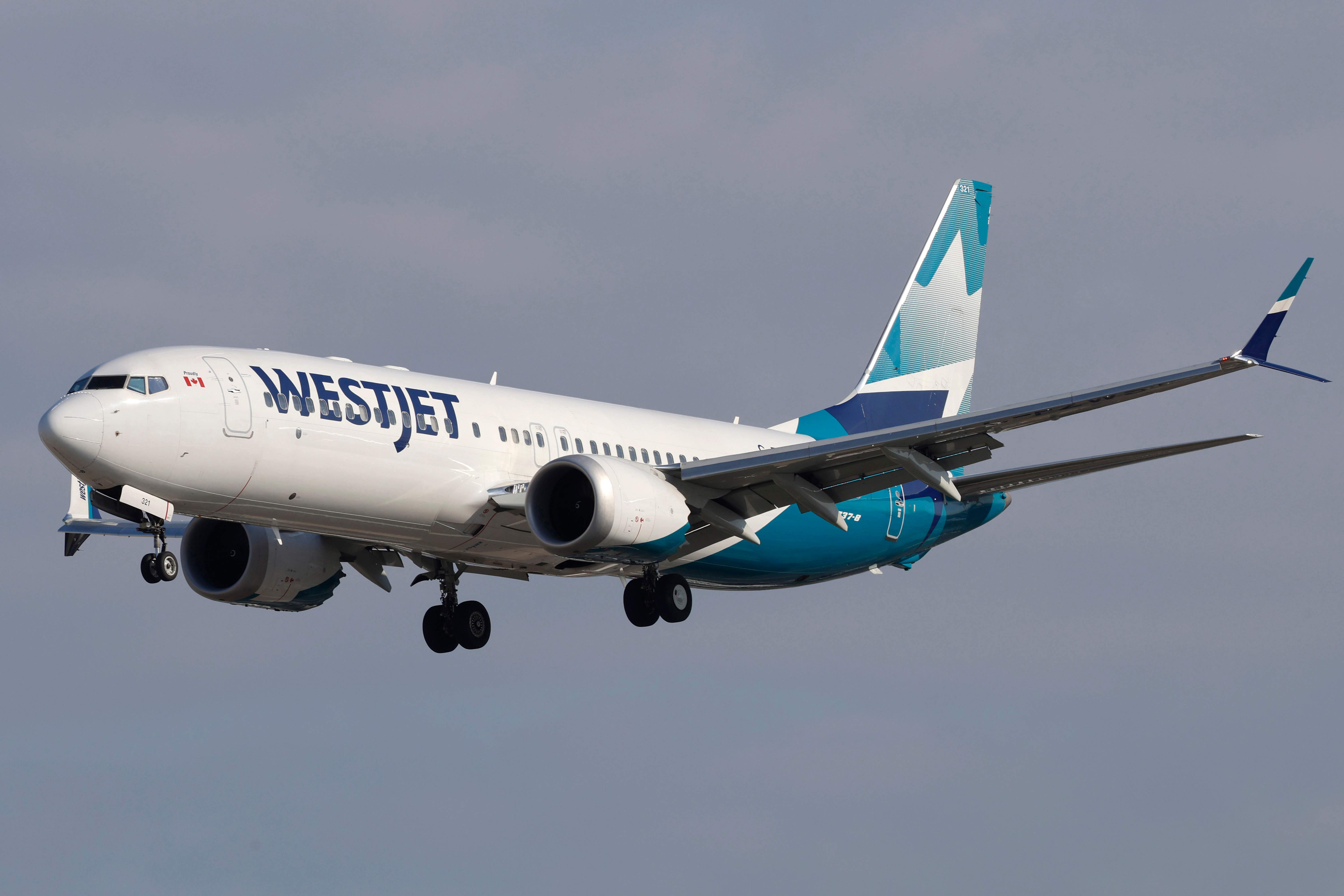
Every single major publication covering the WestJet labor dispute is running the exact same lazy narrative. The headlines scream about stranded passengers, greedy corporate executives locking out flight attendants, and an operational meltdown that spells doom for Canadian aviation. They want you to believe that halting ticket sales and grounding operations is a sign of weakness, a panicked reaction to union pressure, and proof that modern airline management is fundamentally broken.
They are dead wrong.
I have spent two decades watching airlines navigate labor standoffs from the inside, and I can tell you right now: suspending bookings isn't a failure of leadership. It is a masterclass in risk management, cash preservation, and tactical leverage. While the pundits weep over summer vacation itineraries, WestJet's C-suite is executing a cold, calculated playbook that completely shifts the power dynamic away from the union.
Stop looking at the chaos on the tarmac and start looking at the balance sheet.
The Myth Of The Customer First Airline
The lazy consensus in the travel industry is that an airline's primary operational goal is to fly airplanes on schedule at all costs. This is a fairy tale told to frequent flyers to keep them loyal while they pay inflated ticket prices.
The primary operational goal of any commercial airline—especially during a high-stakes labor negotiation—is liquidity survival and liability minimization.
When a strike looms, the worst thing an airline can do is keep selling tickets for flights that may never depart. Doing so injects massive amounts of new cash into the unearned revenue liability account while simultaneously compounding customer compensation exposure under passenger rights regulations. Every ticket sold during an active strike notice is a future lawsuit, a mandatory cash refund, and an expensive hotel voucher waiting to happen.
By pulling the plug on bookings, WestJet did something revolutionary. They stopped digging the hole. They froze their liability profile. They took away the union's ability to inflict maximum financial damage through sudden, unpredictable passenger disruption.
Imagine a scenario where a retailer keeps accepting online orders during a warehouse strike knowing full well the items will never ship, forcing themselves to pay triple for expedited emergency shipping later. It is corporate suicide. Yet, when an airline does the exact opposite—protects its cash and halts the madness before it compounds—the media treats it like an apocalyptic event.
Why Unions Hate Preemptive Grounding
Labor unions rely on a specific mechanism to win concessions: asymmetric disruption. The union wants to pick the exact moment of maximum vulnerability—usually a long weekend or the peak summer travel window—to walk off the job, trapping thousands of travelers at destination airports and generating wall-to-wall negative media coverage that forces the company to cave at the bargaining table.
WestJet's booking suspension short-circuits that entire strategy.
By proactively managing capacity down before the strike legally begins, the airline reduces its operational footprint. A smaller footprint means fewer stranded passengers, fewer logistical nightmares, and crucially, lower public relations vulnerability.
When you do not have 50,000 angry tourists sleeping on terminal floors because you kept selling tickets into a volatile labor dispute, the public pressure on the airline evaporates. The union loses its primary leverage tool: hostage-taking.
I have seen companies blow millions on trying to maintain a facade of business-as-usual during labor unrest, only to watch their cash reserves bleed out in a matter of days through mandated compensation payouts and lost goodwill. WestJet looked at that trap, stepped right over it, and changed the rules of engagement.
The Economic Reality Of High Fixed Costs
Let us talk about the economics of commercial aviation, because most commentators seem to think airlines print money out of thin air.
An airline operates on razor-thin net profit margins, often hovering between two and four percent. Their cost structure is brutally rigid. Aircraft leases, crew training, maintenance reserves, and airport slot fees do not pause just because a union decides to walk picket lines.
When labor costs spike—which is what flight attendants demand, and understandably so, given inflation and cost-of-living realities—the airline is forced into a corner. Management cannot simply pass those costs onto consumers infinitely without killing demand.
Here is what the union apologists refuse to acknowledge: every concession granted today without structural productivity improvements is a ticket to bankruptcy court tomorrow. We have seen this movie before with legacy carriers across North America. They sign bloated labor agreements under duress, enjoy six months of peace, and then restructure under bankruptcy protection five years later, wiping out employee pensions anyway.
Suspending bookings allows the airline to weather the revenue storm without burning through the cash reserves needed to survive the inevitable post-strike recovery period. It is a defensive crouch that buys time. And in labor negotiations, time is the only commodity that matters.
The Regulatory Trap
Another favorite talking point of the aviation commentariat is that government regulators should step in and force binding arbitration immediately to protect the traveling public.
This argument displays a profound misunderstanding of how labor markets work in a free-enterprise system.
Forcing binding arbitration removes the incentive for either side to bargain in good faith. If the union knows the government will bail them out with an arbitrator's award, they have no reason to compromise. If management knows the government will end the strike, they lose their stomach for a prolonged standoff.
Allowing the market to feel the friction—yes, including canceled trips and frustrated travelers—is the only way a sustainable equilibrium is ever reached. The pain of the disruption forces both sides to realize the true economic cost of their positions.
When WestJet suspends bookings, they are signaling to the market, the government, and the union that they are willing to absorb short-term pain for long-term operational sanity.
What Travelers Should Actually Do
If you are a passenger caught in the crossfire of this dispute, stop listening to advice telling you to wait it out or rebook with the same carrier on hope and a prayer.
Here is the contrarian playbook for navigating airline labor disputes:
- Assume the worst-case scenario immediately. Do not wait for the airline to email you. If a strike notice is active, your flight has a target on its back.
- Book away from the disruption zone. If you need to travel, look at alternative carriers or rail networks that are not facing labor action, even if the routing is less convenient.
- Leverage credit card insurance. Premium travel credit cards often carry robust trip interruption and cancellation insurance that covers labor disputes, whereas basic airline tickets bought with cash or standard points leave you at the mercy of carrier rebooking policies.
- Stop expecting corporate altruism. Airlines do not care about your wedding, your vacation, or your business meeting. They care about survival. Once you internalize that truth, you stop making emotional booking decisions and start acting like a rational economic actor.
The WestJet strike and subsequent booking freeze are not signs of a dying aviation sector. They are the birth pangs of a more disciplined, risk-averse operational model.
The companies that survive the next decade won't be the ones that pretend everything is fine while their balance sheets bleed. They will be the ones ruthless enough to pull the emergency brake before the crash happens.