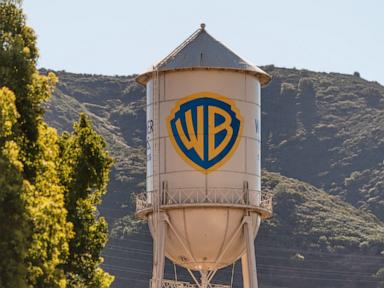
Hollywood is shrinking right before our eyes, and the people who write your favorite shows are refusing to go down quietly.
On July 14, 2026, the Writers Guild of America (WGA) filed a massive antitrust lawsuit in the U.S. District Court for the Northern District of California. Their target? The colossal $81 billion proposed merger between Paramount (recently taken over by Skydance) and Warner Bros. Discovery (WBD). The WGA wants a federal judge to block the deal entirely, claiming it will decimate competition, slash writer pay, and lead to fewer, safer, and more boring things to watch on TV.
If you think this is just a niche labor dispute, you're mistaken. This legal battle is a desperate, calculated stand against the absolute consolidation of American media.
The One Two Punch Facing Hollywood’s Mega Merger
The WGA didn't act in a vacuum. Their lawsuit landed exactly 24 hours after a coalition of 12 state attorneys general, led by California Attorney General Rob Bonta, filed their own antitrust lawsuit to stop the merger.
The states didn't just sue; they filed an emergency motion for a temporary restraining order and a preliminary injunction. Paramount and Warner Bros. Discovery have been rushing to close the deal as early as July 22, 2026. The states are trying to slam the brakes on before the ink can dry.
By filing their own federal complaint immediately after, the WGA East and WGA West turned a political antitrust fight into a deeply human one. They are putting the actual workers of Hollywood at the center of the debate.
What the Writers Guild Is Actually Fighting For
The core of the WGA's complaint is simple: if you merge two of the last five legacy film and television studios in Hollywood, you destroy the market for creative talent.
The union argues that a combined Paramount-Warner entity would instantly become the single largest buyer of original film and television programming in the United States. When one company controls that much of the market, the consequences for writers are grim:
- Suppressed Wages: With one less major studio bidding on scripts, writers lose their leverage. The merged giant can simply dictate lower rates because writers have nowhere else to go.
- Fewer Jobs: Mergers always promise "efficiency." In media, efficiency is code for layoffs, canceled shows, and consolidated production slates.
- Monopsony Power: The WGA specifically targets three distinct markets where they say competition will die: top-grossing theatrical films, episodic television/streaming series, and lucrative "overall deals" where writers are locked to a studio.
WGA West President Michele Mulroney put it bluntly, stating that the merger would "eliminate competition in an already consolidated industry, threatening the livelihoods of entertainment workers and the creative diversity of TV and film".
The Defense: Paramount Promises a Healthier Hollywood
Paramount and Skydance aren't backing down. They claim the lawsuit gets the economics completely wrong.
According to Paramount, combining forces is the only way for traditional studios to survive against tech giants like Netflix, Apple, and Amazon. They argue that a combined company will actually be healthier and create more opportunities for creators. To sweeten the deal, Paramount has made several public pledges:
- Releasing at least 30 theatrical movies a year with an exclusive 45-day theater window.
- Maintaining two distinct film studios to keep creative pipelines separate.
- Continuing to actively commission projects from independent production companies.
But to the writers who just survived a historic 148-day strike in 2023, these corporate promises feel incredibly hollow. They have watched previous mergers—like Disney-Fox and AT&T-Time Warner—result in thousands of job cuts and empty development slates. They don't buy the corporate optimism.
Why This Matters to You, the Viewer
You don't have to be a card-carrying WGA member in Los Angeles or New York to feel the impact of this lawsuit.
When a single company owns CBS, Paramount+, HBO, Max, Warner Bros. Studios, and CNN, the incentive to take creative risks vanishes. Instead of greenlighting weird, original, or provocative scripts, a consolidated mega-studio will rely on the safest possible bets. Think endless sequels, reboots, and cheap reality television.
If the WGA and the state attorneys general fail to block this deal, your streaming bills will likely go up, your choices will go down, and the quality of what you watch will continue to plateau.
The next few weeks in a California federal court will decide whether Hollywood remains a creative ecosystem or becomes a highly optimized, risk-averse corporate monoculture. Keep your eyes on the courts—the future of your watchlist is on the line.