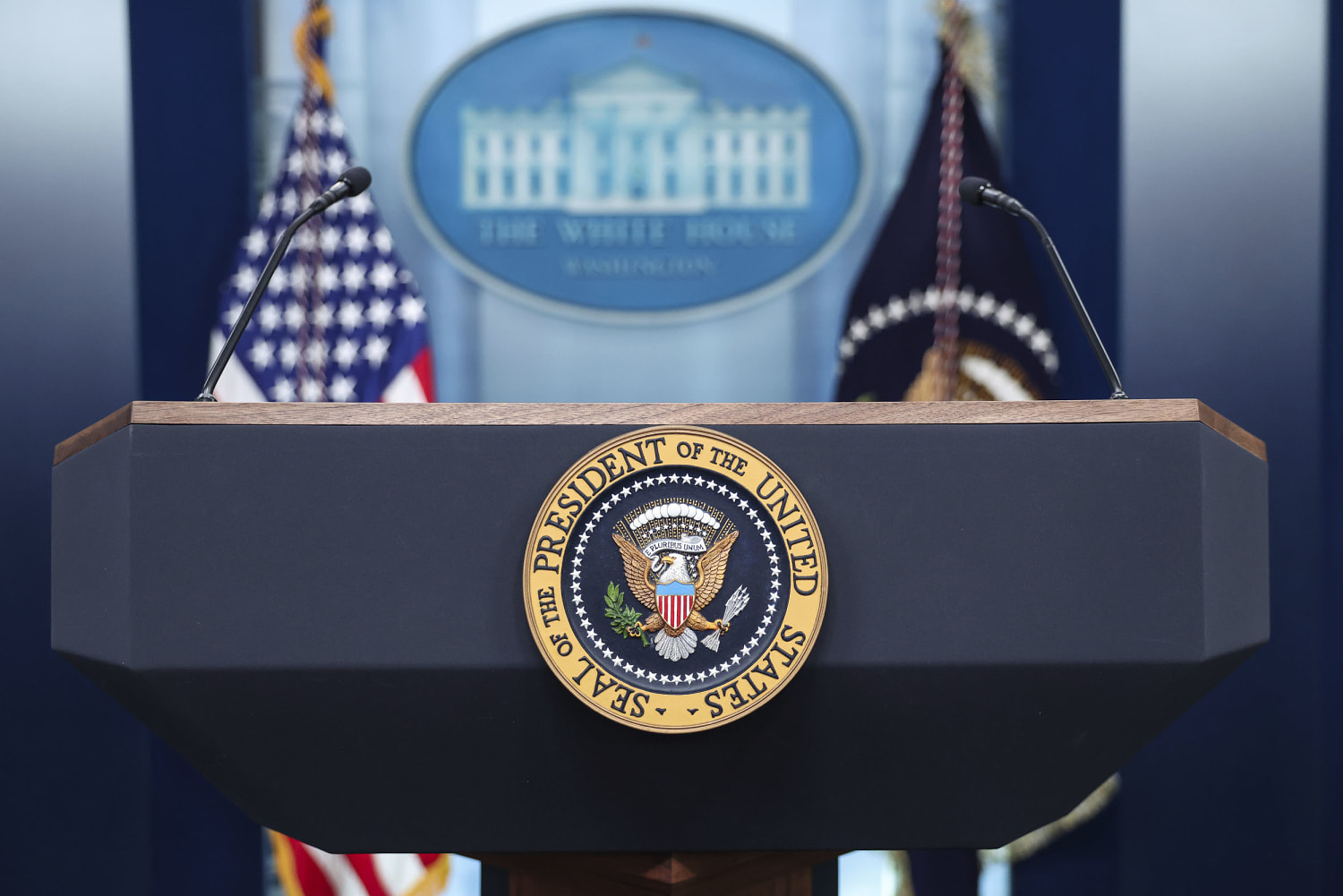
Power makes people clumsy. When an administration gets tired of tough questions, the knee-jerk reaction is simple. They lock the doors. They pull the credentials. They try to freeze out the reporters who refuse to parrot the talking points. It never works. History repeats itself with boring regularity. Another judge steps in, another injunction gets filed, and the executive branch is forced to hand back the badges they tried to strip away in a fit of pique.
The recent judicial order forcing the White House to restore full press access for journalists from CNN, MS NOW, and Politico isn't just a win for those specific newsrooms. It's a blunt reminder that the executive branch operates under constitutional constraints, not royal whim. Yet, administrations keep walking into the exact same trap. They act as if controlling the room equals controlling the narrative. They don't understand that silencing a microphone only amplifies the fight.
The Constitutional Trap of Revoking Press Passes
Let's look at what actually happens when a press secretary decides a particular outlet has crossed an imaginary line. Editors change, administrations rotate, but the legal reality remains fixed. You cannot grant access to a public forum funded by taxpayers and then yank it away arbitrarily based on viewpoint discrimination.
The Fifth Amendment protects against the deprivation of liberty or property without due process of law. When reporters rely on their credentials to make a living and perform a vital public function, those hard passes aren't mere party favors given out at the whim of the press secretary. They represent established professional standing. Stripping them away without a clear, written policy, an opportunity to respond, and a transparent appeals process is textbook unconstitutional behavior.
Courts have ruled on this before. When Jim Acosta had his press pass suspended back in 2018, the administration tried every procedural trick in the book to justify it. They claimed unruly behavior. They accused him of blocking an intern. They scrambled to find post-hoc rationalizations for a decision made in anger. The federal judge didn't buy it. Due process applies when the government doles out access to government property on a selective basis.
When you watch current administrations try the exact same playbook, you have to shake your head. Do their lawyers not read past case law? Or do politicians simply not care about losing in court as long as they get a few days of bad headlines against the press to feed their base? Either way, it's a terrible strategy.
Inside the Press Office Panic Room
Why do press offices resort to banning reporters? It starts with internal panic. An official gets blindsided by a sharp, evidence-based question during a live briefing. The television cameras capture the stutter, the evasion, the deer-in-the-headlights expression. Instead of acknowledging a misstep or pivoting with competence, leadership spirals.
They retreat to the back rooms. They whisper about discipline. They decide that the reporter who asked the question must be punished to send a message to the rest of the pack. It's high school politics played out in the West Wing.
Here is what these officials fail to grasp. Shutting out a reporter doesn't make the tough questions go away. It just moves the battlefield. Instead of a reporter standing five feet away asking about policy failures, you now have an entire newsroom dedicated to investigating why the administration is hiding from scrutiny. You trade an uncomfortable thirty seconds in a briefing room for months of hostile investigative reporting.
Furthermore, freezing out major outlets like CNN or Politico creates an instant solidarity effect within the press corps. Even reporters who compete fiercely against each other understand that an attack on one is an existential threat to all. When the administration targets specific newsrooms, the rest of the corps rallies. Every single briefing becomes an interrogation about the missing colleagues. The press secretary goes from managing policy messaging to playing defense on constitutional overreach every single day. It's self-sabotage of the highest order.
What This Means for the Broader Media Ecosystem
The restoration of credentials for CNN, MS NOW, and Politico sends a clear signal across the entire media ecosystem. Independent reporting cannot be legislated out of existence by executive decree.
Think about how political journalism functions today. It's fractured, fast-moving, and intensely competitive. Outlets like Politico break policy details before ink dries on the bill. Cable networks like CNN provide live, uninterrupted scrutiny of official statements. Emerging digital forces like MS NOW capture the shifts in political dialogue in real time. When the government tries to choke off these pipelines, they aren't just fighting media companies. They are cutting off the oxygen supply to an informed electorate.
Public officials often complain about media bias. Sometimes those complaints are valid. Journalism has plenty of flaws, blind spots, and sensationalist tendencies. But the remedy for bad journalism is more journalism, better facts, and sharper counter-arguments. It is never state censorship.
When a federal judge issues an order telling the most powerful office in the world to hand the badges back, it restores a tiny bit of equilibrium. It reminds everyone involved that the Constitution still matters more than the daily communications strategy.
Practical Survival Strategies for the Working Press
If you cover politics or work in a modern newsroom, you know that access is always fragile. Administrations come and go, but the tension between power and accountability is permanent. How do top-tier journalists navigate an environment where officials might try to lock the doors tomorrow?
You build redundancy. You don't rely solely on the official briefing room microphone. You cultivate sources across agencies, career civil servants who care more about the law than the political appointees currently signing their paychecks. You rely heavily on the Freedom of Information Act, even when agencies drag their feet.
You also document everything. When an official threatens credential revocation or hints at retaliation for a story, you put it in writing. You forward it to your legal team immediately. Transparency is the best shield against bureaucratic retaliation.
Most importantly, you never let intimidation change your questioning. The moment a reporter softens a question because they are worried about their hard pass, the administration wins. The readers notice. The public notices. The entire point of the Fourth Estate is to hold the line when the people in charge want quiet compliance.
The Real Cost of Executive Overreach
Every time an administration picks a fight with the press, they burn political capital they desperately need for actual governance. Passing legislation, negotiating treaties, managing economic crises—these tasks require focus, competence, and public trust.
When the White House spends weeks arguing in federal court over whether they had the legal right to revoke a journalist's press badge, they look petty. They look insecure. Voters might tolerate aggressive politics, but they lose patience quickly when the people running the country act like thin-skinned partisans who cannot handle a tough interview.
The judge's order on CNN, MS NOW, and Politico should serve as a permanent lesson for any future administration. You cannot outrun accountability. You cannot lock out the truth. And no matter how powerful you feel behind the Resolute Desk, the Constitution still gets the last word.



