A court award on paper doesn't pay a single hospital bill. Ask Michael Criscuolo.
In January 2026, a Connecticut judge awarded Criscuolo $1.6 million after a severe injury outside his former apartment building in Seymour. Yet months later, with an appeal pending in higher courts, his attorney says he hasn't seen a dime.
Winning in court is only half the battle. Collecting money from an elusive or cash-strapped property owner is the real fight—and honestly, too many people discover that lesson far too late.
How a Parking Lot Hazard Turned Into a $1.6 Million Award
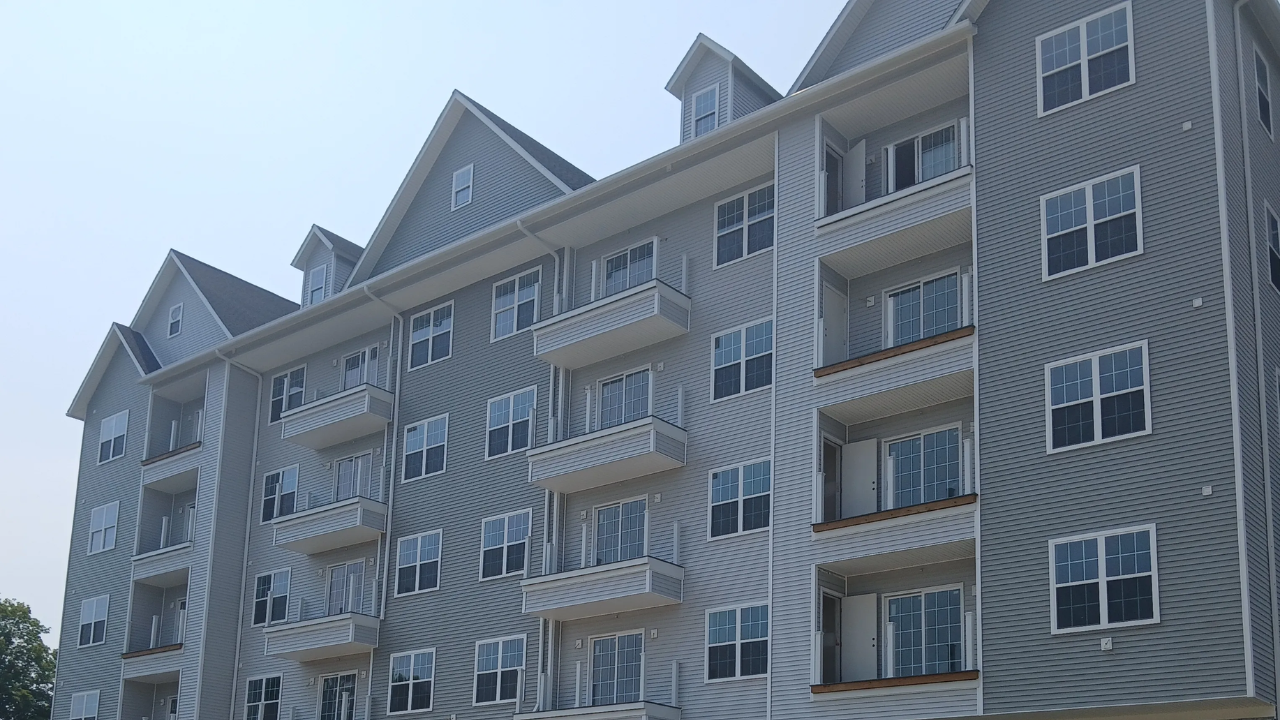
The trouble started in 2024 outside 23 Argonne Terrace in Seymour, a nine-unit apartment building listed under SL Seymour, LLC. According to court filings and reporting by the Valley Independent Sentinel, the parking area lacked lighting and had construction materials scattered around. Criscuolo, who was 65, struck his foot on an exposed concrete footing.
A scraped foot sounds minor until infection sets in. It did. What followed was a serious infection, surgeries, and ultimately the amputation of a toe. Court records put his medical bills around $652,000.
When Criscuolo sued in May 2025 over unsafe property management, the defendant didn't show up to defend the case in court. That absence led to a default judgment. After a hearing on damages, Judge H. Gordon Hall issued the $1.6 million judgment in January 2026.
Later, a lawyer representing the landlord's side moved to reopen the case, claiming improper service of the lawsuit. The judge denied that motion, finding service was proper. An appeal followed, freezing collection while the appellate process grinds on.
Why a Court Judgment Doesn't Equal Cash in Hand
People picture a gavel coming down and a check appearing the next week. Real life doesn't work like that.
When a defendant appeals a civil judgment, collection often stalls or slows down dramatically depending on state appellate rules and whether a bond or stay is in place. Appeals take months—sometimes well over a year. Meanwhile, medical creditors still want payment, and living expenses don't pause.
There's an even bigger catch in premises liability cases: collectibility. A judge can order a defendant to pay seven figures, but the court doesn't magically pull money out of thin air. If the property is held in an LLC with little equity, or if the owner has unpaid municipal fines and liens piling up, getting paid can turn into a grueling game of tracking assets.
In Criscuolo's case, his attorney pointed to broader troubles involving property responsibilities and municipal blight liens in New Haven, noting that the Argonne Terrace building sits vacant with boarded-up windows. Even when a plaintiff wins every procedural ruling at the trial level, collecting against an owner who fights or avoids obligations is a completely separate uphill climb.
What Connecticut Premises Law Actually Requires of Landlords
Under Connecticut premises liability principles, landlords owe tenants and lawful visitors a duty to keep common areas and building exteriors reasonably safe. That isn't a blanket guarantee that nothing bad will ever happen, nor does it make a landlord an automatic insurer for every stumble.
Typically, holding a property owner liable requires showing:
- The owner controlled the area where the hazard existed (such as a shared parking lot, walkway, or stairwell).
- A dangerous condition existed—like poor lighting, broken pavement, or left-behind construction debris.
- The owner knew or should have known about the hazard and failed to fix it or warn people within a reasonable time.
Notice that phrase: should have known. If a hazard sits around long enough, or stems from ongoing work on the property, a landlord can't always hide behind "I didn't see it happen." Still, insurance carriers and defense lawyers routinely scrutinize every detail, including whether the injured person shares any blame under comparative negligence rules.
The Traps That Trip Up Injured Tenants
Having worked alongside legal and claims processes long enough, I see the same preventable mistakes derail strong injury claims over and over.
- Waiting to document the scene. Hazards get cleaned up, boards get moved, or lighting gets fixed. Once the physical evidence changes, proving what the parking lot or walkway actually looked like gets much harder.
- Skipping prompt medical care. Toughing it out at home might seem hardy. It also creates gaps in medical records that insurers love to twist, and untreated foot wounds can spiral fast.
- Ignoring deadlines. In Connecticut, general personal injury lawsuits face a two-year statute of limitations from the date of injury (with an outer three-year limit from the act), while claims involving municipal property can have much shorter notice windows—like 90 days for certain town road or sidewalk injuries. Missing a deadline can wipe out a valid claim completely.
- Assuming a judgment guarantees quick money. Even a rock-solid verdict can face post-trial motions, appeals, or collection hurdles against shell entities or heavily encumbered real estate.
What sounds straightforward in theory—you got hurt because the property was unsafe, so the owner pays—gets messy fast once lawyers, insurers, appellate dockets, and asset searches enter the picture.
Practical Steps If You're Hurt on Rental Property
If you or someone close to you takes a bad fall on a rental property, don't wait around hoping the landlord will magically do the right thing.
- Get medical attention immediately and follow through on every referral or wound-care instruction, especially with foot or lower-limb injuries where infections can escalate quickly.
- Take photos and video right away of the exact hazard, lighting conditions (or lack of lighting), surrounding debris, and your visible injuries before anything is altered.
- Notify the landlord or property manager in writing (email or text gives you a timestamped trail) stating the date, location, and what caused the fall, and keep a copy.
- Collect witness names and contact info if anyone saw the fall or noticed the hazard beforehand.
- Talk with a local premises liability attorney early, before giving recorded statements to an insurer or signing anything, so you know your exact filing deadlines and whether there's real insurance or asset backing behind the claim.