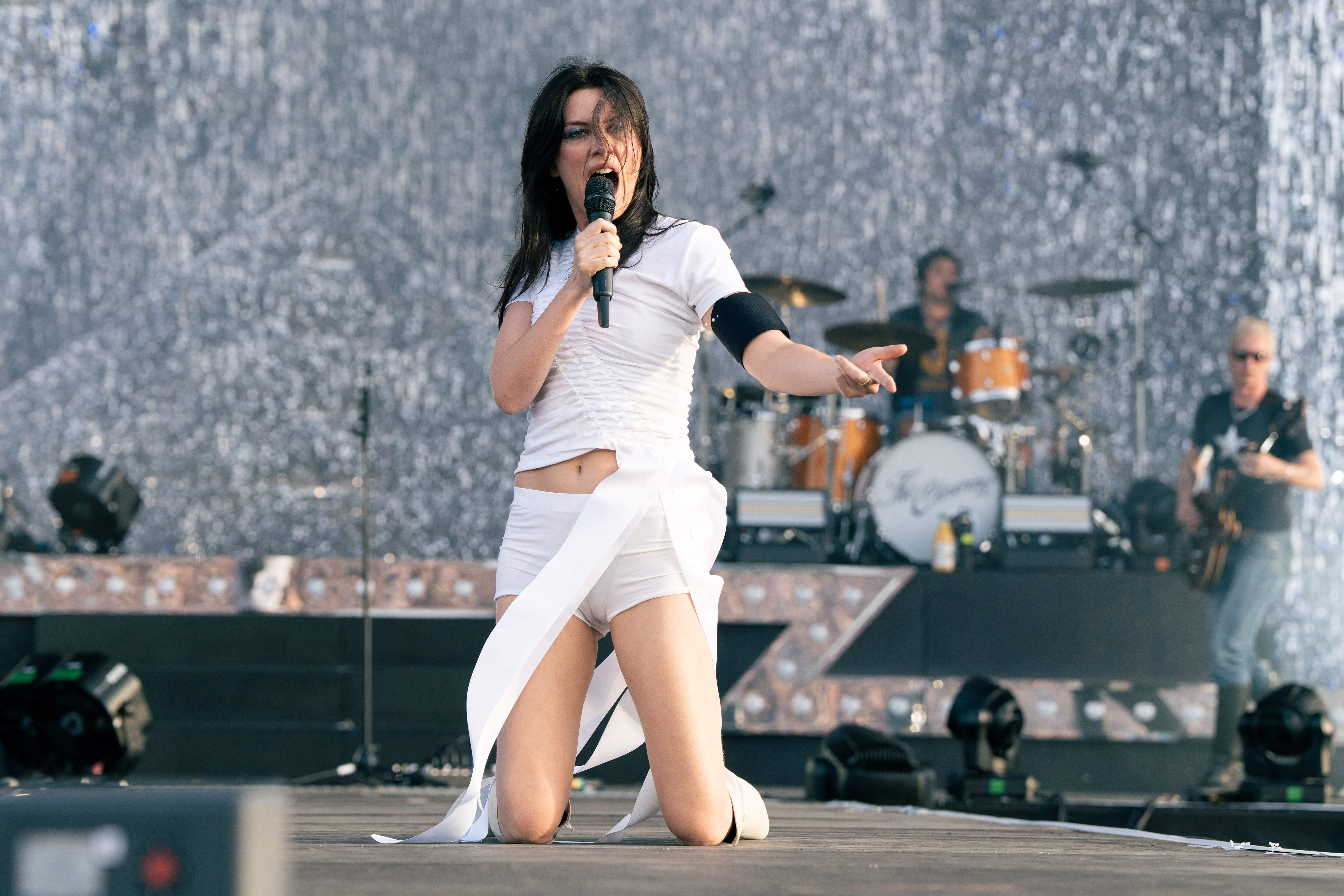
Most rock bands find a sound that sells tickets and then milk it for a decade. Not Wolf Alice. For over ten years, the North London quartet has treated genre rules like mild suggestions, jumping from grunge to dreamy shoegaze, folk ballads, and snarling punk without warning anyone first.
If you're trying to categorize them, give up now. That unpredictability isn't an accident or a marketing gimmick. It's the exact reason they've survived the brutal indie rock churn of the 2010s and 2020s while most of their peers faded into nostalgia circuits.
The Chaos Behind Their Early Sound
When Ellie Rowsell and Joff Oddie started Wolf Alice back in 2010, they weren't plotting a stadium-filling alternative rock empire. They were playing acoustic folk. Honestly, if you listen to their earliest bedroom demos, it's hard to believe this is the same band that later wrote "Yuk Foo."
Things shifted fast once Joel Amey and Theo Ellis joined on drums and bass. Suddenly, those quiet folk bones got wrapped in heavy fuzz, feedback, and 90s alt-rock grit. Their 2015 debut album, My Love Is Cool, felt less like a cohesive concept record and more like a mixtape made by four people with wildly different record collections.
You had "Bros," a shimmering, nostalgic anthem about childhood friendship that practically invented a whole lane of indie pop. Three tracks later, you got hit with "Giant Peach," a riff-heavy monster built to blow out festival speakers. Critics loved it, earning the band a Mercury Prize nomination and a Grammy nod for "Moaning Lisa Smile," yet plenty of industry types worried they lacked a clear sonic identity. They were wrong.
Why Genre-Hopping Usually Fails (And Why It Works Here)
Let's be real. When most bands bounce between styles, it sounds desperate. Like they're throwing darts at a board hoping something sticks on Spotify playlists.
Wolf Alice avoids that trap because of two things: Ellie Rowsell's vocal versatility and the band's shared chemistry. Rowsell can shift from a breathy, fragile whisper to a blood-curdling scream in the span of four bars, and both extremes sound completely natural coming from her. She isn't putting on a costume for different genres. She's just matching the music to whatever emotion the lyrics demand.
Take their 2017 sophomore album, Visions of a Life. Opening with the lush, hypnotic "Heavenward" before slamming straight into the two-minute punk fury of "Yuk Foo" was a bold move. Most bands save their weirdest or heaviest tracks for the back half of an album so they don't scare off casual listeners. Wolf Alice put the whiplash right up front.
That record won the 2018 Mercury Prize, proving that audiences didn't want a watered-down, predictable version of the band. They wanted the chaos.
Mastering the Pivot on Blue Weekend
By the time Blue Weekend dropped in 2021, Wolf Alice had grown into something much more cinematic. Working with producer Markus Dravs—who's famously pushed bands like Arcade Fire and Coldplay toward bigger, richer textures—the group leaned heavily into orchestration, lush synths, and sharp songwriting.
If you expected another batch of scrappy grunge tracks, Blue Weekend probably caught you off guard.
- "The Last Man on Earth" started as a stripped-back piano ballad before swelling into a massive, Beatles-esque crescendo that dismantled toxic male egos without raising its voice.
- "Smile" brought back the heavy distortion and swagger, showing they hadn't lost their teeth.
- "Lipstick on the Glass" floated along on dreamy, layered harmonies that sounded worlds away from their early Camden pub gigs.
The album hit number one on the UK Albums Chart and won Best British Group at the 2022 BRIT Awards. More importantly, it proved that following their musical muse wasn't just an artistic flex—it was commercially smart. Fans didn't show up for a specific guitar tone. They showed up because they trusted the band to take them somewhere interesting.
What Other Artists Can Learn From Wolf Alice
Look at the modern music industry. Algorithms reward consistency. If you make sad bedroom pop, the streaming platforms want you to make sad bedroom pop forever so you stay neatly tucked inside the same curated playlists.
Wolf Alice basically ignored that playbook. Instead of chasing trends or copying whatever sound was dominating TikTok, they let their live shows and personal tastes dictate where each album went next.
You can hear this evolution clearly if you track their discography side by side. Their EPs—like Blush and Creature Songs—acted as testing grounds where they could try out weird ideas without the pressure of an album cycle. When something clicked, they carried it forward. When they got bored of a sound, they dropped it.
How to Actually Dive Into Their Catalog
If you're new to Wolf Alice, don't just hit shuffle on their top tracks. You'll get tonal whiplash and miss how intentional their shifts actually are. Start by listening to their albums in chronological order to hear how they built their confidence.
- Begin with My Love Is Cool (2015) to catch the raw, unpolished energy of a young London band figuring out how loud they can play. Pay close attention to "Silk" and "Swallowtail"—they hint at the atmospheric direction the band would later master.
- Move straight to Visions of a Life (2017) for their sharpest contrast between heavy punk aggression and sprawling, eight-minute psychedelic epics like the title track.
- Finish with Blue Weekend (2021) to hear what happens when a rock band trades youthful volume for precision, restraint, and massive emotional weight.
Once you've run through the studio albums, pull up their live sessions from Glastonbury or their BBC Radio 1 Live Lounge performances. Seeing how effortlessly they transition from delicate acoustic arrangements to full-throttle noise on stage makes their whole philosophy click. Pick an album, put on decent headphones, and let them take the wheel.