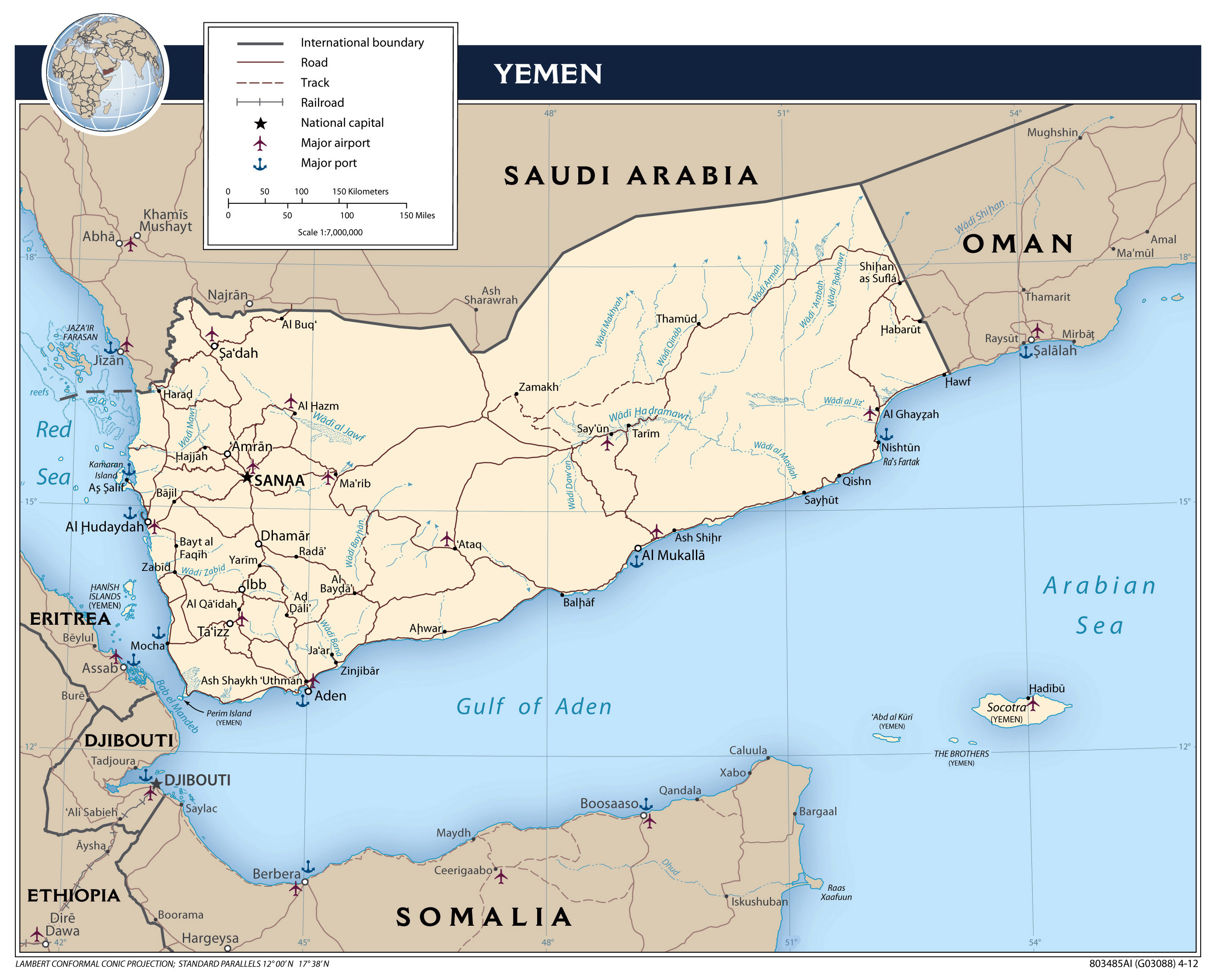
Mainstream news feeds are currently clogged with a predictable, paint-by-numbers narrative. The headlines scream about Yemen’s Houthis pointing fingers at Saudi Arabia for a renewed blockade or direct strikes targeting international transport hubs. It is the same geopolitical script we have read for a decade. One side alleges an unprovoked aggression, the other side issues a sterile denial or cites security protocols, and international observers wring their hands over the humanitarian fallout.
This framing is lazy. It is also entirely wrong.
By focusing purely on the explosive, headline-grabbing allegations of military strikes and physical blockades, commentators are missing the actual chess game. The battle for Yemen’s airspace and infrastructure isn't just about military dominance; it is a highly calculated, leveraged economic negotiation masquerading as a localized conflict.
The Illusion of the Purely Military Blockade
Let's dismantle the first major misconception: the idea that airspace closures are merely tactical military decisions.
In the real world of Middle Eastern logistics, airspace control is a sovereign currency. When a regional power restricts access to Sana'a International Airport, it isn't just trying to stop hardware from moving across borders. It is squeezing the financial throat of its adversary.
Every flight that lands or takes off represents customs revenue, fuel taxes, landing fees, and legitimacy. By blaming external actors for shutting down commercial corridors, local authorities can conveniently deflect from their own systemic financial mismanagement.
Imagine a scenario where a state-level actor is struggling to pay civil servants or maintain basic public utilities. The easiest way to avoid a domestic uprising is to point to a smoking runway and blame an external aggressor. It is political theatre of the highest order, designed to convert domestic anger into nationalistic fervour.
Follow the Money, Not the Munitions
When you look closely at the data surrounding regional flight patterns in conflict zones, a stark pattern emerges.
- Asset Liquidity: Warring factions often dispute who controls the central bank accounts where airspace transit fees are deposited.
- Alternative Routes: While commercial passenger flights get grounded, charter flights and cargo operations under specific diplomatic flags frequently continue, proving the "impenetrable blockade" is highly selective.
- Insurance Premiums: The mere threat of an attack skyrockets maritime and aviation insurance rates, effectively pricing out competitors without a single shot being fired.
Dismantling the Victimhood Monopoly
The standard media consensus loves a clear-cut villain and an underdog. But international relations do not operate on a moral axis. They operate on leverage.
The Houthis' accusations are not desperate cries for help; they are calculated diplomatic leverage points. By projecting an image of absolute isolation, they force international mediators back to the negotiating table. Every headline accusing Saudi Arabia of disrupting humanitarian flights is a chip played in a high-stakes poker game to secure economic concessions, such as the payment of public sector salaries from oil revenues or the lifting of banking restrictions.
I have spent years analyzing regional supply chains and security policies. The reality is that both sides use these vital infrastructure points as bargaining chips. To suggest one side is a passive victim of airport politics is to ignore the sophisticated media apparatus that turns every disrupted flight schedule into a global press release.
Why the "Humanitarian Corridor" Argument is Flawed
We constantly hear that airports must be demilitarized for humanitarian reasons. It sounds noble. It makes for great speeches at the UN.
It is also incredibly naive.
In a highly contested theater, there is no such thing as a purely humanitarian asset. A runway capable of landing a cargo plane full of medical supplies is equally capable of landing advanced dual-use technology. The fuel used to power aid convoys is the exact same fuel used to transport tactical units.
To expect any regional power to simply look the other way and grant unrestricted access to a strategic hub under the guise of "humanitarian aid" is to demand they lose the war. Security screening is not a war crime; it is the baseline reality of survival in a hostile neighborhood.
The Uncomfortable Truth
If you want to understand what is actually happening in Yemen, stop reading the official press statements from either Sana'a or Riyadh.
Look at the banking sector. Look at the disputes over the Yemenia Airways revenues, which have been frozen in accounts across different jurisdictions. The real war is being fought over who gets to cash the checks, while the airport runway is merely the stage where the drama is performed for the cameras.
The international community will keep calling for ceasefires and issuing strongly worded statements about aviation safety. They will keep failing because they are treating a symptom rather than the disease. Until the underlying financial partition of the country is resolved, those runways will remain quiet, regardless of who claims they want them open.
Stop looking at the sky. Look at the ledgers. That is where the war is won and lost.