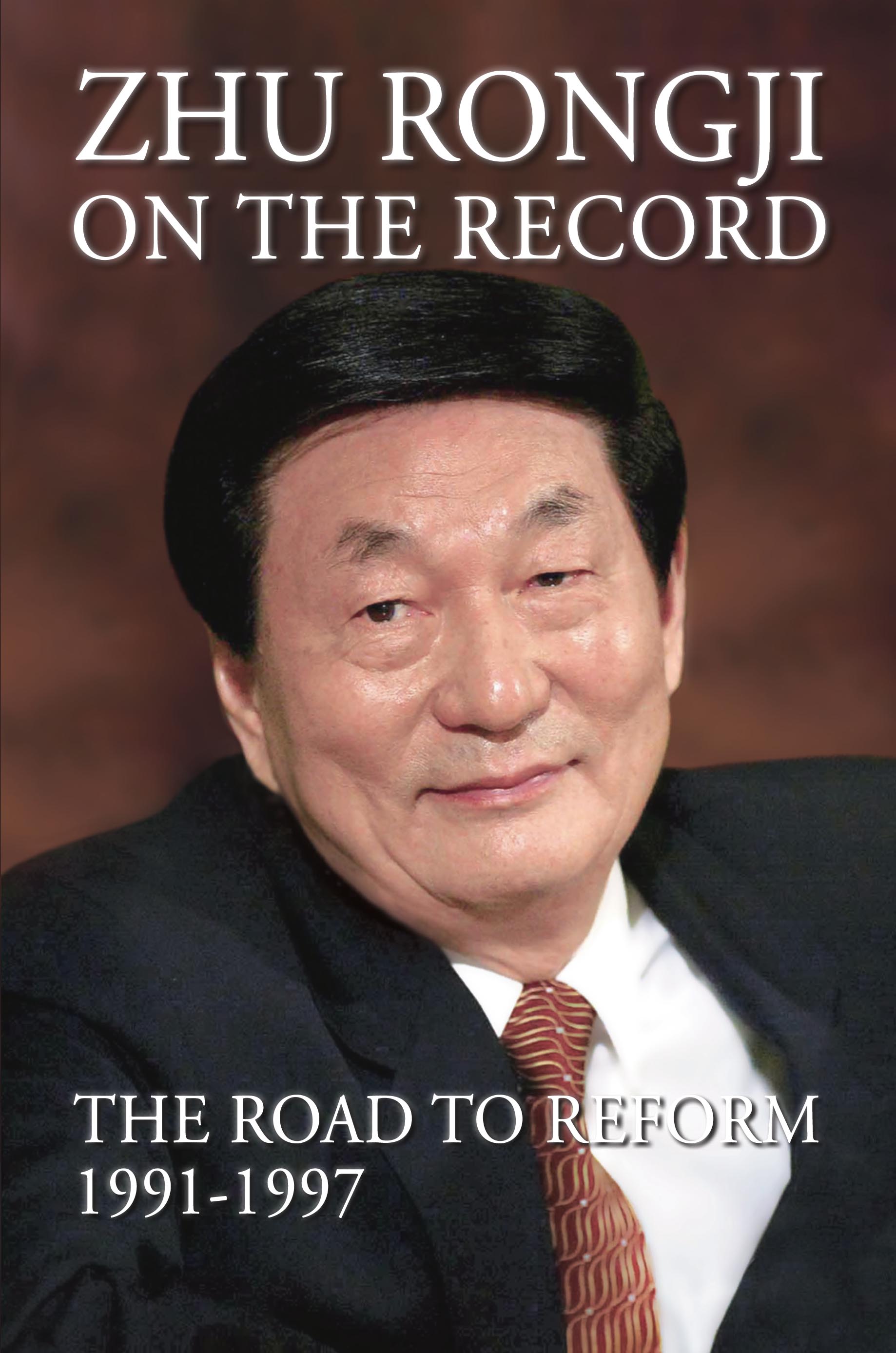
The headlines are predictable. Western financial desks are currently running obituaries and retrospective pieces on former Chinese Premier Zhu Rongji, framing him through the tired, romanticized lens of the economic reformer who dragged a reluctant giant into the World Trade Organization. The lazy consensus says Zhu was Beijing’s ultimate free-market technocrat, a man who wanted to turn the Middle Kingdom into a replica of Wall Street with Chinese characteristics.
That narrative is not just oversimplified. It is fundamentally wrong.
I have spent decades watching foreign capital misread the mechanics of Chinese statecraft. Analysts love to project Western ideological desires onto leaders who were playing an entirely different sport. Zhu Rongji was never a neoliberal missionary. He was a ruthless surgeon who realized that if you do not cut away the rot of provincial fiscal anarchy, the entire party-state collapses under its own weight.
Let us dismantle the myth.
The Great Fiscal Centralization Heist That Saved Beijing
The conventional story gives Zhu credit for modernizing the tax system in nineteen ninety-four. Analysts applaud the centralization of tax revenues as a triumph of fiscal rationalism. They miss the violence of the maneuver.
Before Zhu forced through the tax-sharing reform, the central government in Beijing was starving. Provincial governments were hoarding revenues, acting like independent fiefdoms while the center footed the bill for national stability. Zhu did not negotiate. He flew across the provinces, applying intense political pressure, effectively stripping local coffers and rerouting the cash pipeline straight to Beijing.
Economists call this institution-building. Realists call it a hostile takeover.
Zhu centralized fiscal power not to prepare China for Western-style democratic capitalism, but to insulate the central party apparatus from regional fragmentation. He understood a basic truth that foreign observers constantly forget: economic centralization is the absolute prerequisite for political survival in a unitary state. When local officials lost their independent revenue streams, they stopped acting like independent warlords and started acting like corporate middle managers reporting to the CEO in Zhongnanhai.
If you think that looks like Western federalism, you have not been paying attention.
The State Owned Enterprise Massacre Was Not About Privatization
The other pillar of the standard Zhu Rongji hagiography is his handling of the state-owned enterprise sector. The Western press loves to quote his famous vow to prepare one hundred coffins—and one for himself—when tackling bloated, inefficient state factories.
The lazy takeaway is that Zhu was liquidating state ownership to make room for private enterprise.
Wrong again.
What Zhu actually engineered was a massive consolidation of state power under the banner of corporate survival. Millions of industrial workers were laid off in a brutal restructuring wave known as xiagang. It was arguably the largest peacetime displacement of labor in modern industrial history. But look closely at what survived. The state did not exit the economy; it retreated strategically from low-margin manufacturing to monopolize the commanding heights of finance, energy, telecommunications, and heavy industry.
He didn't kill the dragon. He starved the weak scales so the beast could grow thicker armor.
When Zhu forced China into global trade agreements, foreign investors thought they were walking into an open market. Instead, they were walking into a disciplined arena where state-backed conglomerates had already consolidated their domestic base. The restructuring was never about embracing laissez-faire market purity. It was about creating national champions capable of competing globally while remaining tethered to party control.
The WTO Entry Was a Calculated Trap, Not a Surrender
For years, free-market ideologues argued that WTO membership would force China to liberalize its political system. The theory was simple: once you let foreign capital in and hook the populace on international trade, democracy and deregulation naturally follow.
That theory is now rotting in a ditch.
Zhu Rongji knew exactly what he was signing. He used the external pressure of WTO accession as a crowbar to smash internal protectionist cartels that local bureaucrats had built up over decades. Foreign trade rules served as his external enforcement mechanism to do what domestic political capital could not achieve alone.
He used global capitalism to strengthen domestic authoritarian efficiency.
Every time a Western pundit complains about structural subsidies or state capitalism today, they are complaining about the exact system Zhu perfected. He gave foreign markets access to cheap Chinese manufacturing labor while locking down the domestic financial architecture so tightly that no external shock could dislodge the party's grip on credit allocation.
Why The West Keeps Falling For The Reformer Myth
Why do smart people keep misreading this history? Because of confirmation bias.
Western observers desperately want to believe that economic modernization has an inevitable political destination. Every time a Chinese leader implements market-oriented pricing, financial discipline, or administrative streamlining, foreign analysts assume it is a confession of faith in Western liberalism.
Zhu Rongji proved the opposite. He proved that you can harness the raw energy of market economics without surrendering an inch of political hegemony. He was blunt, abrasive, and utterly unapologetic about wielding state power to achieve national macroeconomic stability.
As Beijing marks his passing, do not expect a reckoning with the contradictions of his legacy inside official state media. But do not buy the Western fairy tale either. Zhu Rongji was not the champion of free markets. He was the architect of state-directed capitalism, a man who saved the system by making it lean, mean, and immune to the very ideological illusions foreign analysts still cling to today.
History belongs to the pragmatists who break the china to save the house. Zhu broke plenty of both.