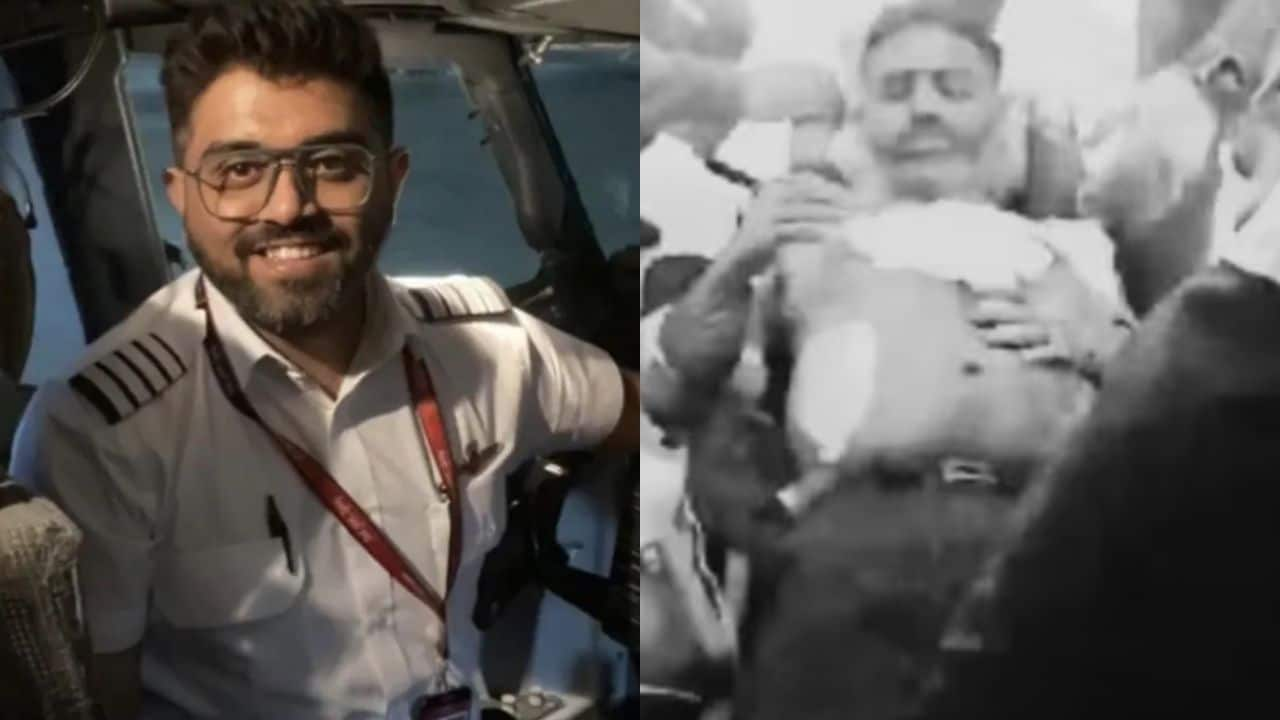
On September 30, 2026, flydubai Flight FZ1073 from Dubai to Tel Aviv descended nearly 14,000 feet in under 30 seconds after a violent cockpit confrontation. Captain Smit Machchhar sustained severe wounds to his limbs, chest, and upper abdomen, alongside a depressed skull fracture, during an assault allegedly perpetrated by his co-pilot. Aviation security experts are still untangling how a routine regional leg turned into a near-catastrophic breach of flight deck protocols.
Modern commercial aviation rests on a fragile social contract. Two strangers sit in a confined space for hours, trusting each other implicitly with hundreds of lives behind them. When that trust shatters from within, standard security frameworks face an existential stress test. For another view, see: this related article.
The Anatomy of Internal Threat Vectors
Commercial flight decks are heavily fortified against external intrusions. Since the structural shifts in global aviation security protocols following historical events, reinforced doors, biometric locks, and strict surveillance have made the cockpit nearly impenetrable from the cabin. Yet, these exact fortifications create an isolated operational bubble.
When the threat originates on the flight deck itself, the safety architecture inverts. A locked door ceases to be a shield for the passengers and instead becomes a barrier preventing immediate rescue. Similar reporting on the subject has been published by Associated Press.
In the case of Flight FZ1073, the sudden onset of violence left zero margin for procedural error. Investigative findings indicate that the aircraft entered a steep, unauthorized descent while the struggle unfolded. A commercial jetliner flying at cruising altitude possesses immense kinetic energy. When control inputs are abruptly manipulated downward without stabilization, the airframe experiences extreme G-forces and structural strain.
Captain Machchhar’s physical injuries were extensive. Medical reports from facilities in Saudi Arabia and the UAE detailed multiple trauma points across his upper body, including deep lacerations and blunt force trauma. Despite losing significant blood and suffering a compromised airway environment, Machchhar retained enough cognitive awareness to recognize the trajectory of the aircraft.
The Human Element and Procedural Failures
Aviation authorities worldwide categorize insider threats as one of the hardest vectors to mitigate through automated technology alone. Psychological screenings, background checks, and peer reviews form the primary net of defense. However, human behavior remains fundamentally unpredictable over long career spans.
When a first officer allegedly utilizes emergency equipment—such as the flight deck crash axe—against the commanding pilot, standard crew resource management models collapse. Training assumes cooperation. It prepares flight crews for engine fires, hydraulic failures, and severe weather anomalies. It rarely simulates an active physical assault by a colleague possessing equal operational access to flight controls.
The physical reality of fighting inside a restricted space is brutal. Flight decks are cramped. Control yokes, throttle quadrants, and avionics panels leave little room to maneuver, let alone defend against weaponized implements. That Machchhar managed to reach the cockpit door mechanism under physical duress is a testament to extraordinary physical and mental endurance.
Systemic Vulnerabilities Across Regional Fleets
A rigorous post-mortem of this event requires examining how carrier vetting procedures handle shifting behavioral indicators. Investigators have pointed toward external digital footprints and radicalization pathways that bypassed initial hiring filters or developed later in the pilot's tenure.
Airlines operate on hyper-optimized schedules. Psychological monitoring between recurring medical certifications often relies on self-reporting or informal peer observation. If a pilot internalizes extremist ideologies or experiences acute mental degradation, the warning signs can easily remain hidden behind professional competence until a critical threshold is crossed.
Furthermore, the incident reignited fierce debates regarding mandatory two-person cockpit rules. While some regulatory bodies require a cabin crew member to step inside whenever a pilot leaves the flight deck, protocols governing internal disputes or simultaneous presence of multiple active pilots do not account for sudden, premeditated violence by an active co-pilot.
Beyond the Flight Deck Door
The safe landing of Flight FZ1073 in Tabuk, Saudi Arabia, was not a product of automated fail-safes. It relied heavily on the immediate intervention of passengers, including off-duty aviation professionals and medical personnel who forced their way past the barrier once opened.
Deadheading pilots seated in the cabin had to rapidly transition from civilian passenger status to active flight deck crew, re-establishing control under immense pressure. This highlights a structural reliance on serendipity. An aviation safety system that depends on specialized professionals happening to sit in row twelve to rescue a compromised flight deck is a system with a glaring structural deficit.
Global carriers are now reassessing interior locking mechanisms, exploring remote override capabilities from ground control stations, and re-evaluating how cockpit access is managed during active flight phases. Yet, technology cannot completely neutralize human intent.
The physical recovery of Captain Machchhar continues, but the institutional healing within commercial aviation will take much longer. The assumption that the closed flight deck door guarantees safety has been permanently altered, leaving regulators scrambling to rewrite the rules of sky security before the next anomaly exposes another unseen seam.