Dust does not settle immediately. It hangs in the air for hours, a thick, gray shroud that catches the morning light and turns it the color of old bone. When the earth shakes, it takes only seconds for concrete to forget that it was ever a home, a school, or a hospital. But the hours that follow—those stretching, agonizing intervals where time loses its shape—are governed by a different kind of violence.
The walls are still falling.
Imagine standing on a street corner in Caracas or a hillside settlement where the tremors hit hardest. The ground has stopped shaking, yet the danger has only mutated. Every aftershock sends a shudder through the fractured skeletons of multi-story buildings, turning precarious stacks of masonry into lethal avalanches. This is the cruel paradox of post-earthquake rescue operations. To save the living, you must move the dead weight of the collapsed structure. Yet, every crane hook, every heavy excavator blade, and every shift of a reinforced concrete slab threatens to crush the very spaces where someone might still be breathing.
Demolition is supposed to be an act of clearing. Here, it is an act of terrifying gamble.
Consider what happens when a five-story apartment complex pancakes downward. Floor collapses onto floor, sandwiching bedrooms, kitchens, and stairwells into layers barely two feet thick. In these pockets, air can linger. Heartbeats can persist. But overhead, the remaining facade hangs by rusted rebar like a guillotine blade waiting for a breeze. Rescue commanders face an impossible calculus. Do they bring in heavy machinery to slice through the upper debris quickly, risking a sudden collapse that buries potential survivors forever? Or do they rely on bare hands, acoustic sensors, and trained dogs, crawling inches at a time while the clock ticks down toward zero?
The official reports talk about structural instability. They use sterile terms like load-bearing failure, seismic mitigation, and site clearance protocols. These words keep engineers safe in conference rooms, but on the ground, they translate into a suffocating silence between rescue teams.
Listen.
There.
A tap against a water pipe.
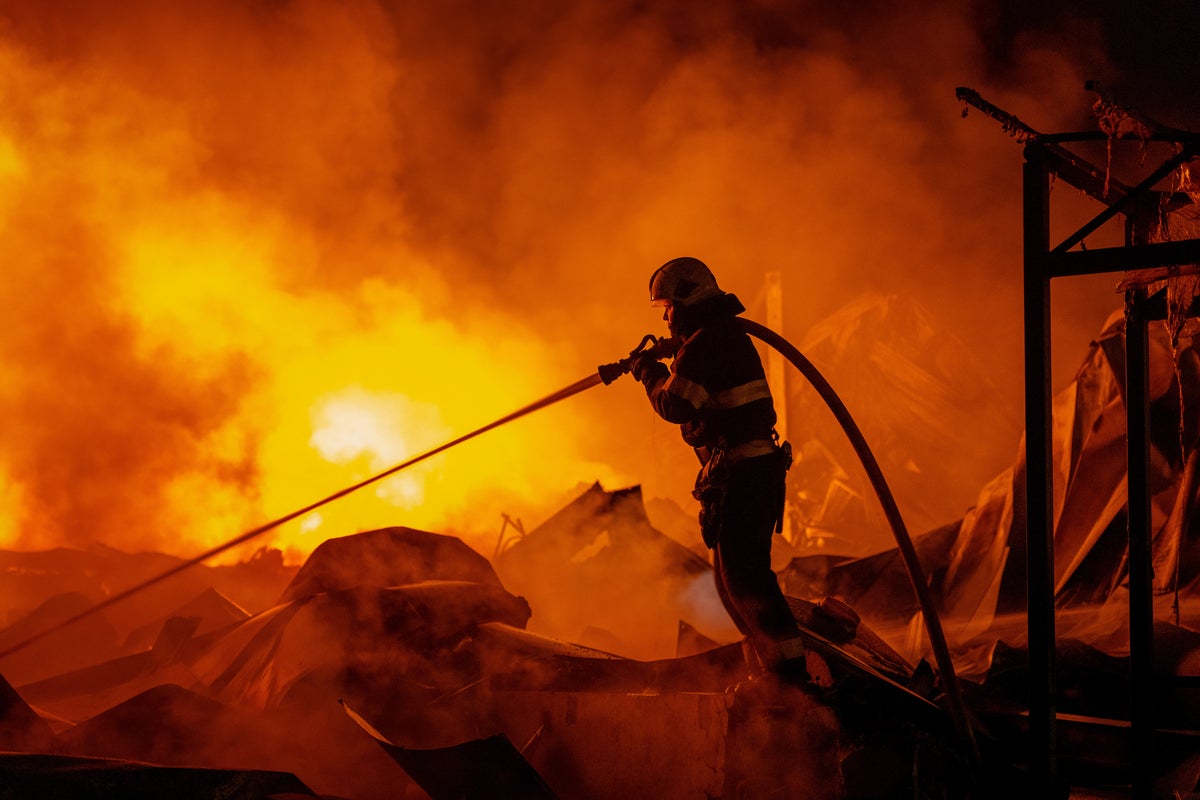
When that sound echoes through the ruins, protocol shifts. Heavy excavators must shut down immediately. The roar of diesel engines dies, replaced by the scratching of fingernails against stone and the urgent whispers of searchers shouting into voids. But the silence is fleeting. Just yards away, an unstable wall threatens to slide into the alleyway, forcing engineers to make a snap decision: punch through with a hydraulic breaker or evacuate the sector.
This is why the search for bodies and survivors alike becomes agonizingly slow after seismic events. The destruction is not a single event; it is a slow-motion unraveling. Every heavy gust of wind, every minor tectonic adjustment, and every clumsy attempt at debris removal risks accelerating the collapse. Rescue workers navigate a labyrinth where every turn could trigger another avalanche of dust and steel.
The emotional toll on families standing behind the police tape is a different kind of ruin. They watch the machinery move, halting and starting, tearing away pieces of what used to be their kitchen. They know the risks. They know that heavy demolition is sometimes necessary just to reach the lower levels where basements or stairwells might have formed protective triangles of survival. Yet every bite of the excavator bucket feels like an assault on memory.
We forget that behind every statistic of missing persons lies a geography of personal grief mapped onto broken concrete. A pink school bag visible through a second-story window frame. A pair of shoes resting neatly beside a door that no longer leads anywhere. These details do not make it into the daily bulletins, but they dictate the rhythm of the rescue workers who refuse to leave, even when the structural engineers shake their heads and point to the cracks widening along the upper cornices.
The earth gave its warning without words. The buildings answered in dust. And now, in the quiet spaces between the aftershocks, humanity works against gravity itself, pulling apart the ruins one perilous stone at a time.