A piece of paper signed in Bogotá doesn't magically stop bullets in the jungle. A decade after Colombia signed its historic peace accord with the Revolutionary Armed Forces of Colombia, the country's new leadership is confronting a grim reality. The deal was supposed to end a half-century of suffering. Instead, over 132,000 people have been killed since the ink dried, and illegal armed groups have ballooned in size.
If you look past the optimistic headlines generated when the deal was first struck, the structural failures become obvious. Governments love signing accords because they make great photo ops. Managing the messy, unglamorous aftermath of rural security and economic rebuilding is an entirely different challenge. For a more detailed analysis into similar topics, we suggest: this related article.
The Numbers Don't Lie
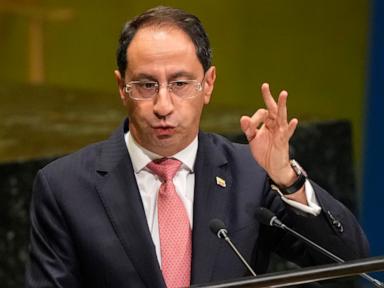
When officials briefed the United Nations Security Council, the data laid bare how badly things have fractured. Membership in armed groups skyrocketed from roughly 6,000 fighters down to a tiny remnant right after the deal, but has now surged back to nearly 30,000.
How does an army of insurgents grow fivefold after signing a peace agreement? For additional background on the matter, comprehensive analysis is available on NBC News.
The answer lies in the vacuum left behind. When the main rebel faction demobilized, they didn't leave behind a functioning state. They left behind lucrative drug trafficking routes, illegal mining operations, and extortion rackets. Splinter factions, dissident groups, and rival cartels immediately rushed in to fill the power void.
Why the Implementation Stalled
Signing a treaty is easy. Enforcing state control across remote, mountainous terrain where the government has historically been absent is nearly impossible without massive, sustained resources.
The 2016 agreement promised sweeping rural reforms, land restitution, and economic alternatives for coca farmers. Most of those promises stalled in bureaucratic gridlock. Without viable legal economies, poor rural communities had little choice but to keep cooperating with whatever armed actor controlled their village.
Meanwhile, former combatants who genuinely wanted to lay down their arms found themselves in the crosshairs. Hundreds of signatories to the peace accord have been hunted down and murdered by criminal syndicates fighting over turf. Social leaders and human rights defenders face constant targeting.
Where Colombia Goes From Here
The new administration is facing heavy pressure to rethink how international verification and local security work. Proposals are on the table to narrow the mandate of international monitors to focus strictly on security and the reintegration of ex-combatants, while shifting heavy internal reforms back to national institutions.
Military force alone won't fix this mess. Pumping more troops into the countryside without building roads, schools, and hospitals just repeats the cycles of the past. Real stability requires treating the root economic causes of rebellion, not just hunting down the latest generation of militia leaders.