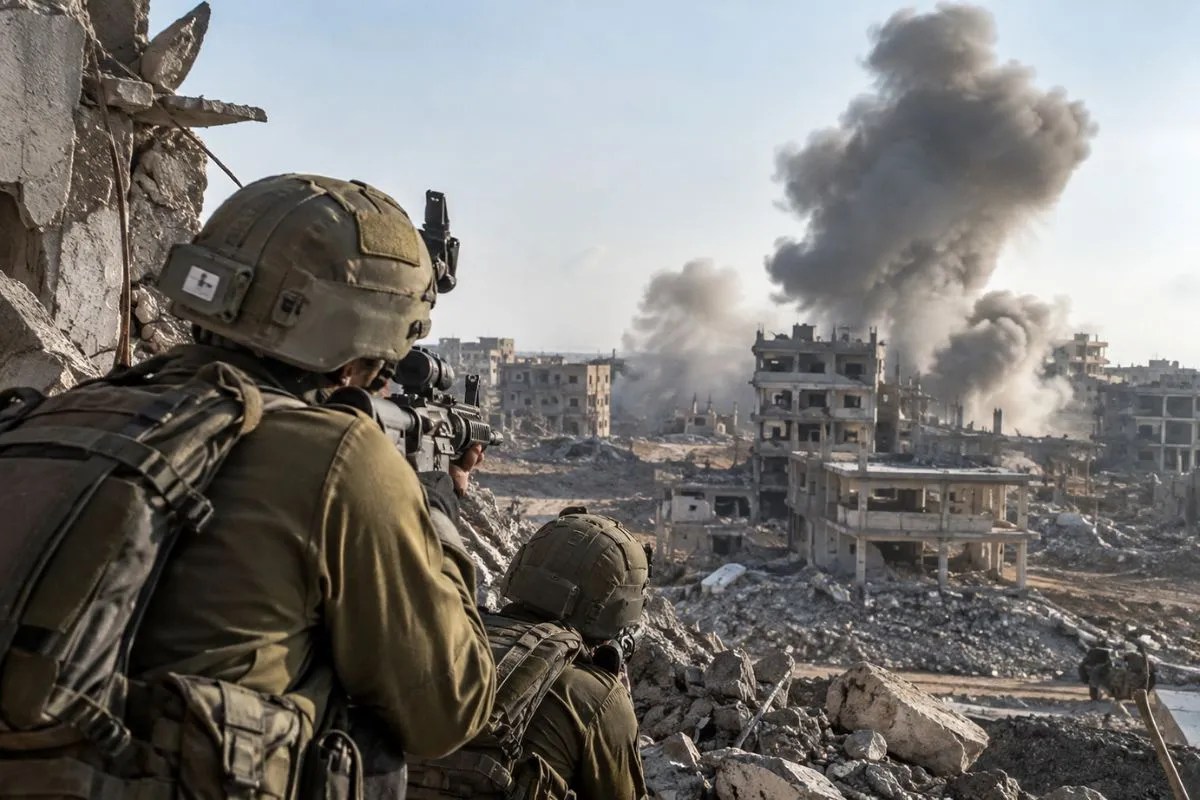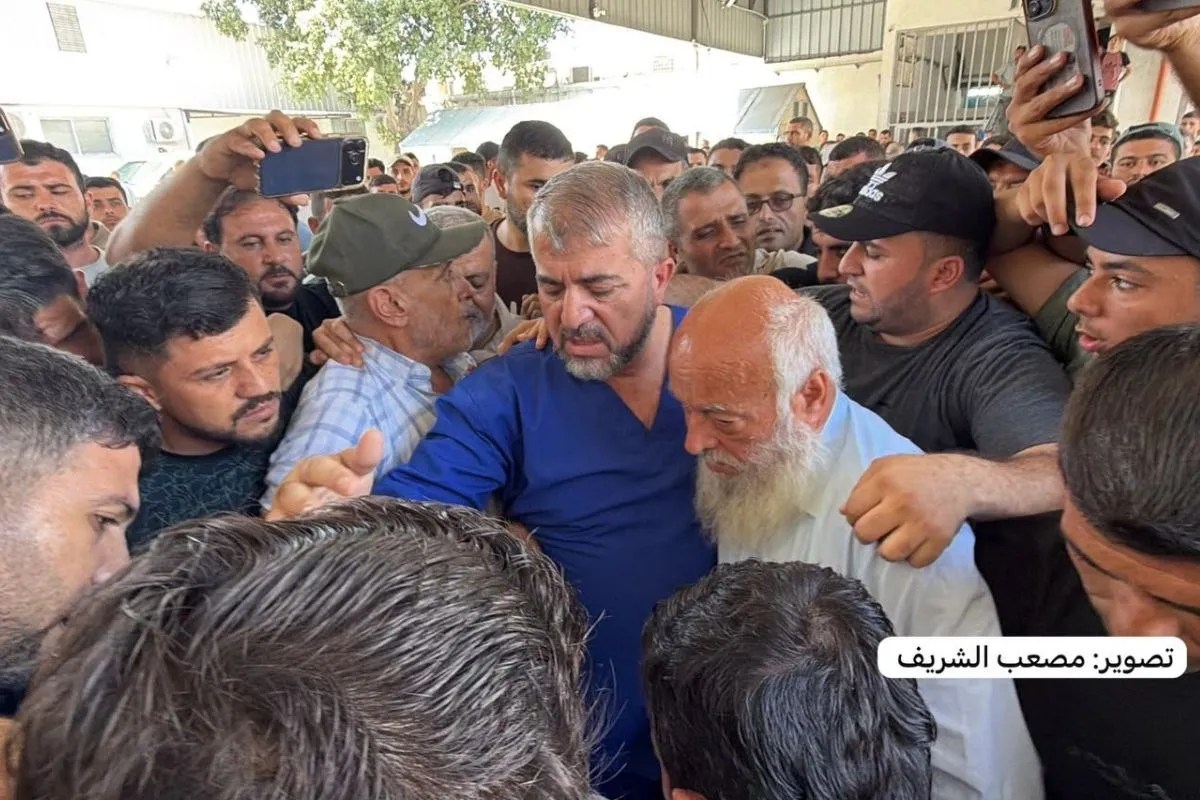
The relentless drumbeat of conflict in Gaza has long since stripped away the thin veneer of safety that once protected medical workers and civil servants. When airstrikes collapse concrete roofs onto hospital corridors and residential blocks, the casualties are not merely statistical units in a daily briefing. They are the individuals holding together a collapsing infrastructure. Munir al-Boursh, a prominent health official in Gaza, knows this heavy reality better than almost anyone else. His home, his life, and his lineage have been systematically shattered by ongoing military operations, culminating in the death of his son amidst widespread destruction, following the earlier loss of his daughter.
This deep personal tragedy mirrors the wider collapse of civil order and healthcare provision across the Gaza Strip. To understand the gravity of what is happening to medical administrators like al-Boursh requires looking beyond the immediate flash of an explosion. It demands an examination of how a society functions when its healers and emergency coordinators are targeted, bereaved, and pushed to the absolute edge of human endurance.
The Anatomy of a System Under Siege
Hospitals and medical directorates are supposed to function as sanctuaries. Under international humanitarian law, medical personnel and administrative staff coordinating emergency response efforts occupy a protected status. Yet, months of continuous aerial bombardment and ground maneuvers have eroded these protections into near-totality.
When directorates are struck and senior officials lose their children, the impact reverberates through every ward, triage unit, and ambulance dispatch center. Munir al-Boursh has spent his career organizing responses to medical crises, coordinating supplies, and documenting casualties. To force a man in his position to bury his own children while simultaneously trying to manage a failing health network is a form of psychological and structural warfare designed to paralyze civil governance.
The mechanisms of survival in Gaza have devolved into an exercise in triage. Medical supplies are critically low. Fuel for backup generators runs on a knife-edge. Surgeons operate under the flicker of dying phone screens or minimal emergency lights, often without proper anesthetics. In this environment, the loss of administrative pillars like al-Boursh’s family members strips the medical community of its generational memory and institutional leadership.
Personal Grief as a Public Collective Trauma
In functional societies, the grieving process is private, supported by community structures and a shared sense of mourning. In Gaza, grief is hyper-public and endlessly compounded. When a health official loses a child to an airstrike, the tragedy is instantly folded into the broader tapestry of mass casualties arriving at the very hospital doors that official helps manage.
Al-Boursh has endured the unimaginable before, having previously lost his daughter to the violence. To experience a second such loss is an assault on the foundational bonds of family that sustain individuals through prolonged trauma. Observers and international colleagues often wonder how professionals continue to show up to work under such conditions. The answer is not rooted in heroism of a cinematic variety, but in a grim, exhausting necessity. If the medical administration stops functioning entirely, the remaining fabric of civilian life dissolves completely.
This dynamic exposes the profound vulnerability of the human element in war zones. Nations debate strategies, munitions capabilities, and geopolitical leverage in distant capitals, but the ground-level reality is measured in empty chairs at family dinner tables and the hollowed-out eyes of doctors who have treated their own dying relatives on emergency tables.
The Broader Implications for Regional Healthcare
The targeting and attrition of civil servants like Munir al-Boursh carry long-term consequences that will outlast the immediate conflict. Rebuilding a shattered health infrastructure requires more than concrete, steel, and imported pharmaceuticals. It requires experienced administrators who understand logistics, supply chains, international NGO coordination, and public health data tracking.
When institutional leaders are killed, displaced, or psychologically broken, the institutional knowledge disappears with them. The vacuum left behind is filled by chaos, raising the risk of preventable disease outbreaks, unmanaged chronic illnesses, and a complete breakdown in maternal and pediatric care.
Furthermore, the psychological toll on the surviving workforce creates a secondary crisis. Burnout is an inadequate word for what medical workers experience when they are both the primary victims of violence and the sole providers of emergency response. Compassion fatigue turns into survival fatigue. Every strike on a health official's family sends a clear, chilling message to every other doctor, nurse, and administrator still standing at their post: no one is shielded by their profession.
As the international community debates ceasefires and humanitarian corridors, the human cost continues to compound daily. The story of Munir al-Boursh is an individual narrative of profound sorrow, but it is also a diagnostic X-ray of an entire administrative and medical apparatus being crushed under the weight of modern warfare. Until the fundamental safety of healthcare workers and their families is restored, any discussion of recovery remains premature.