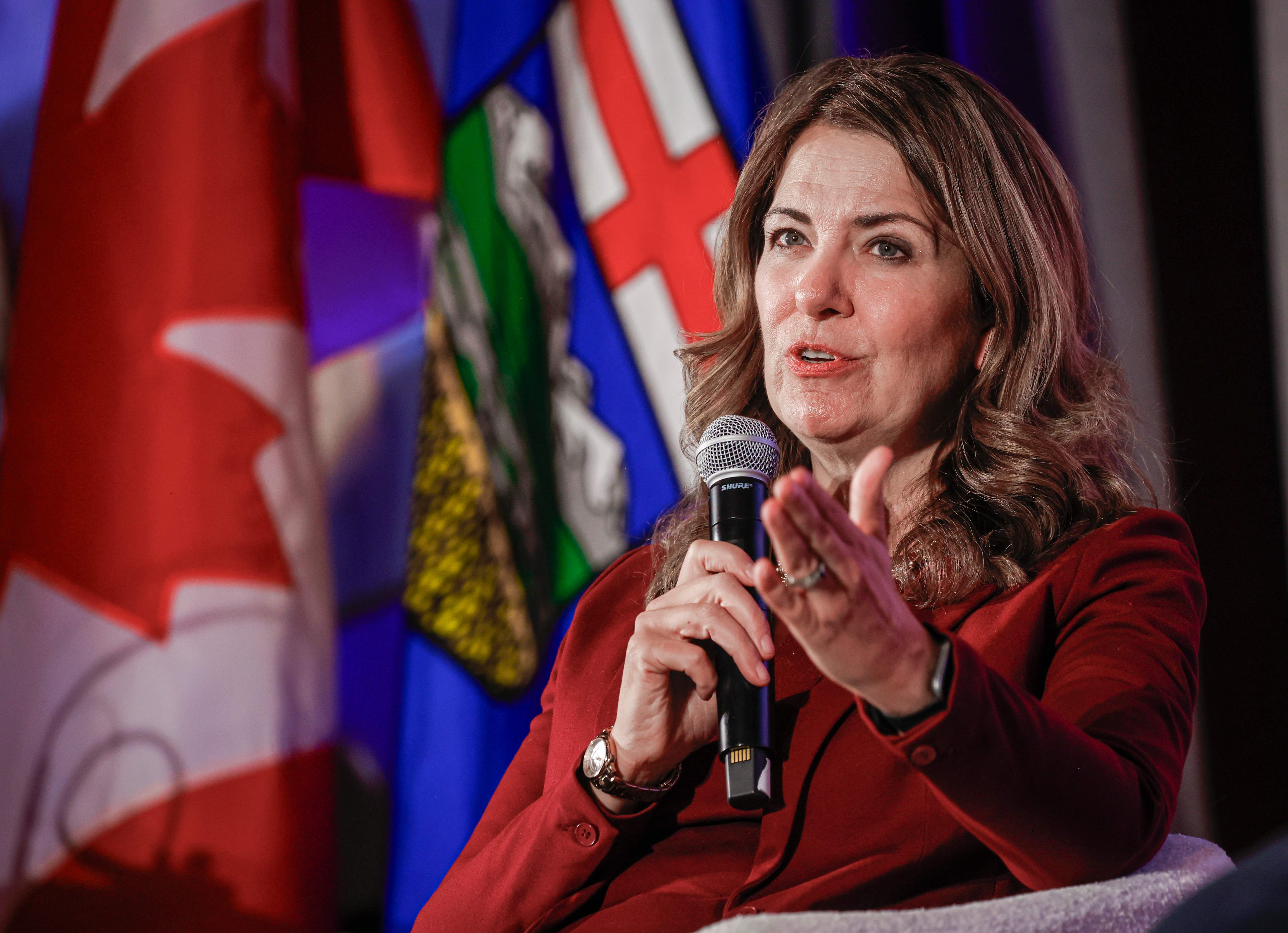
Unity speeches after a referendum are usually a funeral for a bad idea. Not here. Premier Danielle Smith stood before Albertans after the October 19, 2026 referendum—where roughly three-quarters of valid ballots backed remaining in Canada—and called for neighbours, friends, and Canadians to pull together.
Conventional coverage reads that as a neat reset. Voters spoke. Separatism lost. The premier pivoted to reconciliation. Also making waves in related news: The Anatomy of Drone Attrition in Kharkiv Oblast.
That reading is lazy. It mistakes a tactical retreat on one ballot line for a surrender on the constitutional war that keeps Alberta boiling. A 75% Remain tally on the independence question looks decisive on paper, yet 520,233 people voted to start the legal road toward a binding separation vote, and roughly 140,000 ballots were spoiled, invalid, or blank. More importantly, Calgary and Edmonton pushed back sharply on the broader ballot package, while majorities on several sovereignty-minded questions—especially tighter provincial control over immigration—pointed in the opposite direction.
Calling for unity right after bottling up a movement you helped ride into office isn't healing. It is inventory management. Additional insights on this are explored by The Guardian.
The Lazy Consensus Around Post-Referendum "Unity"
Standard political commentary treats referendums like light switches. Flip it one way, grievance goes dark. Flip it back, everyone holds hands.
That consensus ignores how grievance politics actually works in western Canada. Separatism in Alberta isn't just a fringe fantasy born yesterday; it is a pressure valve built over decades of resource-sector friction, Ottawa policy clashes from the National Energy Program onward, and frustration over fiscal transfers and federal rules. When premier Danielle Smith passed the Alberta Sovereignty Within a United Canada Act in 2022, she didn't invent that pressure. She institutionalized it as leverage against Ottawa.
I've watched political operators and corporate boards alike fall for the same illusion after a contentious vote: assuming a headline margin erases the underlying coalition. I've seen campaigns burn millions celebrating a "settled question" while ignoring the 25% who showed up to pull the lever for disruption—and the urban voters who rejected a rural-heavy agenda. When a leader asks for unity while simultaneously pushing an anti-separatism pledge for party officials—a move that sparked pushback from constituency presidents—and cheering a Preston Manning-led report urging western provinces to coordinate sovereignty moves, "unity" starts looking like discipline, not harmony.
Let's be precise about the terms here. Sovereignty within confederation is not secession. Sovereignty within confederation—the territory staked out by the Sovereignty Act and the Alberta Next panel's push for greater provincial authority over areas like immigration—argues that a province can refuse or resist federal overreach while staying inside Canada. Secession is exiting the federation entirely, a process governed by constitutional principles and the Clarity Act framework rather than a single provincial press release. Confusing a loss on the secession question with a defeat for constitutional brinkmanship is where most pundits trip.
What the Referendum Split Actually Exposed
Look closely at the map rather than the headline.
Edmonton voted "no" across the board on the referendum questions. Calgary pushed back on almost everything outside citizenship-to-vote rules. Neither city showed appetite for a second separation fight. Yet outside the big cities, discontent over affordability, rapid population growth, and Ottawa's perceived reach remains sharp.
That creates a two-front squeeze for Smith.
- Front one is inside the United Conservative Party. When party leadership asks constituency presidents to sign a code of conduct pledging loyalty to a united Canada, and more than a dozen push back on free-speech and procedural grounds, the fracture isn't outside the tent. It's holding up the tent poles.
- Front two is in Alberta's cities. You cannot win durable provincial stability—or attract long-horizon capital into energy, electricity, or data centres—while treating Calgary and Edmonton as political speed bumps.
Imagine a scenario where a premier tries to keep secessionists inside the party while wooing suburban and urban swing voters with "unity." Every concession to the separatist wing scares off moderate urban voters; every nod to federal cooperation or city councils looks like betrayal to the hardliners. That isn't a unity dividend. That is a math problem where both sides can claim bad faith.
Answering the Questions People Actually Search
"Did the Alberta referendum end Alberta separatism?"
No. It put a ceiling on full-blown exit for now, with three-quarters of valid votes choosing to remain in Canada. Treating a referendum as a permanent cure for regional alienation is like treating a fever with an ice pack while ignoring the infection. Grievances around pipelines, federal regulations, housing pressure, and fiscal fairness don't evaporate because a ballot box closed.
"Why did Danielle Smith call for unity after pushing sovereignty for years?"
Because governing requires a coalition that survives past election night, and full-throated separatism is a minority position. Calling for unity lets the premier claim statesmanlike responsibility after a clear "Remain" result, while still preserving room to fight Ottawa in court and press for provincial control over areas like immigration. It's a pivot in tone, not a lobotomy of the agenda.
"What happens to business and investment in Alberta now?"
Capital hates whiplash more than taxes. Constitutional fights, non-binding ballot questions, and public spats between provincial and municipal leaders add friction to multi-decade infrastructure bets. At the same time, Alberta's core fundamentals—massive energy reserves, skilled labour, and pragmatic deals on specific regulatory bottlenecks—still draw serious money when the rules are clear. Boards don't need slogans about unity; they need predictable permitting, stable fiscal rules, and courts that settle jurisdiction without drama.
What Works Instead of Another Unity Speech
If the goal is actual stability rather than a polite press line, three moves matter far more than another speech about neighbours and anthems.
- Separate constitutional theatre from operational wins. Fighting every federal agency at maximum volume burns political capital fast. Pick targeted battles where provincial jurisdiction is strong—such as pushing for tailored immigration or labour agreements where data shows strain on schools and services—and negotiate hard on concrete bottlenecks instead of turning every dispute into an existential crisis.
- Stop treating Calgary and Edmonton as hostile territory. Urban Albertans drive population growth, tech and data-centre investment, and a huge share of provincial tax revenue. Governing with cities—rather than sparring over zoning, bike lanes, or local authority—is basic statecraft.
- Be honest about the trade-offs of hardball politics. There is a real upside to contrarian pressure: Ottawa and other provinces rarely move on western grievances until someone makes ignoring them costly. The downside is just as real. Constant constitutional brinkmanship spooked legal scholars, alienated moderates, and turned internal party management into a public brawl. Any strategy that relies on permanent crisis eventually exhausts the public it claims to defend.
A referendum can settle a ballot question on a Monday night. Real unity takes years of boring, unglamorous competence—and the courage to tell your own base what it can't have.