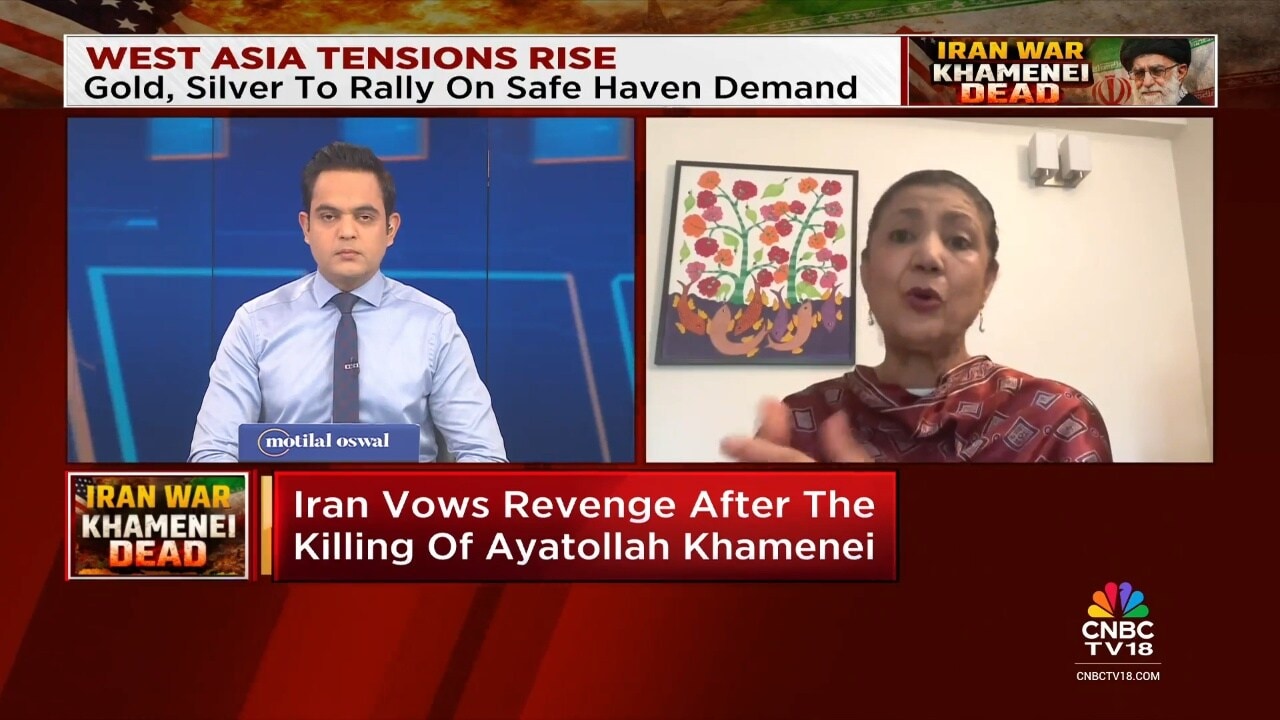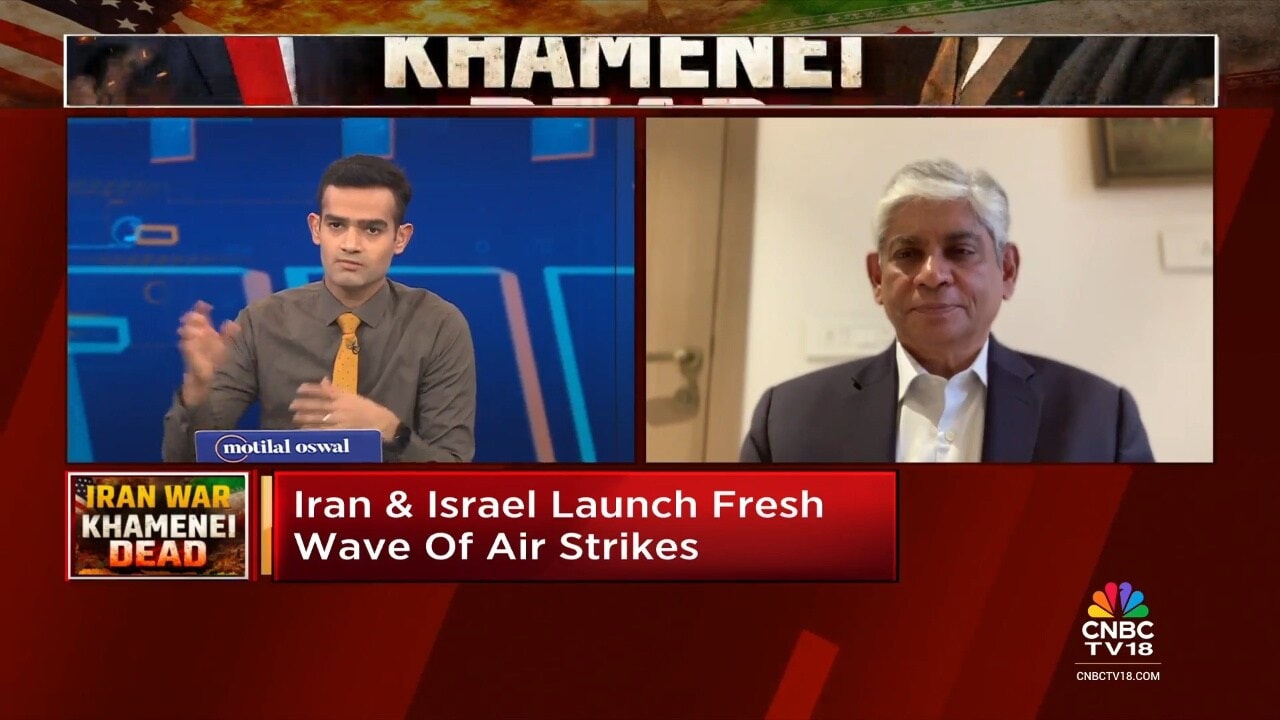
The Middle East reached its breaking point on February 28, 2026. In a daytime operation that defied every convention of modern shadow warfare, a joint US-Israeli air campaign dubbed Operation Roaring Lion—or Operation Epic Fury in Pentagon circles—decapitated the leadership of the Islamic Republic of Iran. The death of Supreme Leader Ali Khamenei, confirmed by Tehran after a 24-hour period of frantic denial, has moved the world beyond the era of containment and into a volatile, uncharted vacuum.
This was not a mistake or a localized escalation. It was a deliberate, high-stakes gamble to force the collapse of the 1979 revolutionary order. By 8:10 am local time, thirty munitions had leveled Khamenei’s compound in Tehran. The strike did more than kill the 86-year-old cleric; it claimed his daughter, son-in-law, and grandchild, effectively erasing the immediate family legacy he had spent decades insulating. While Washington and Jerusalem celebrate a "chance for peace," the reality on the ground is a region on fire, with the global economy held hostage at the Strait of Hormuz.
The Daylight Gamble
For years, the working assumption was that any strike on Khamenei would happen under the cover of darkness. Instead, intelligence agencies exploited the Supreme Leader’s own sense of security. Reports indicate that Khamenei felt least vulnerable during the day, believing Western forces would avoid the high risk of civilian collateral damage in the morning bustle of Tehran.
The audacity of a daylight strike caught the Islamic Revolutionary Guard Corps (IRGC) flat-footed. Sources familiar with the operation suggest that the CIA and Mossad had been tracking Khamenei’s specific movements within the compound for months. When senior political and military leaders gathered on Saturday morning—a rare occurrence—the "window of opportunity" became too significant for the Trump administration and the Netanyahu government to ignore. The resulting bombardment involved nearly 200 Israeli fighter jets and an undisclosed number of US assets, marking the largest aerial offensive in the history of the Israeli Air Force.
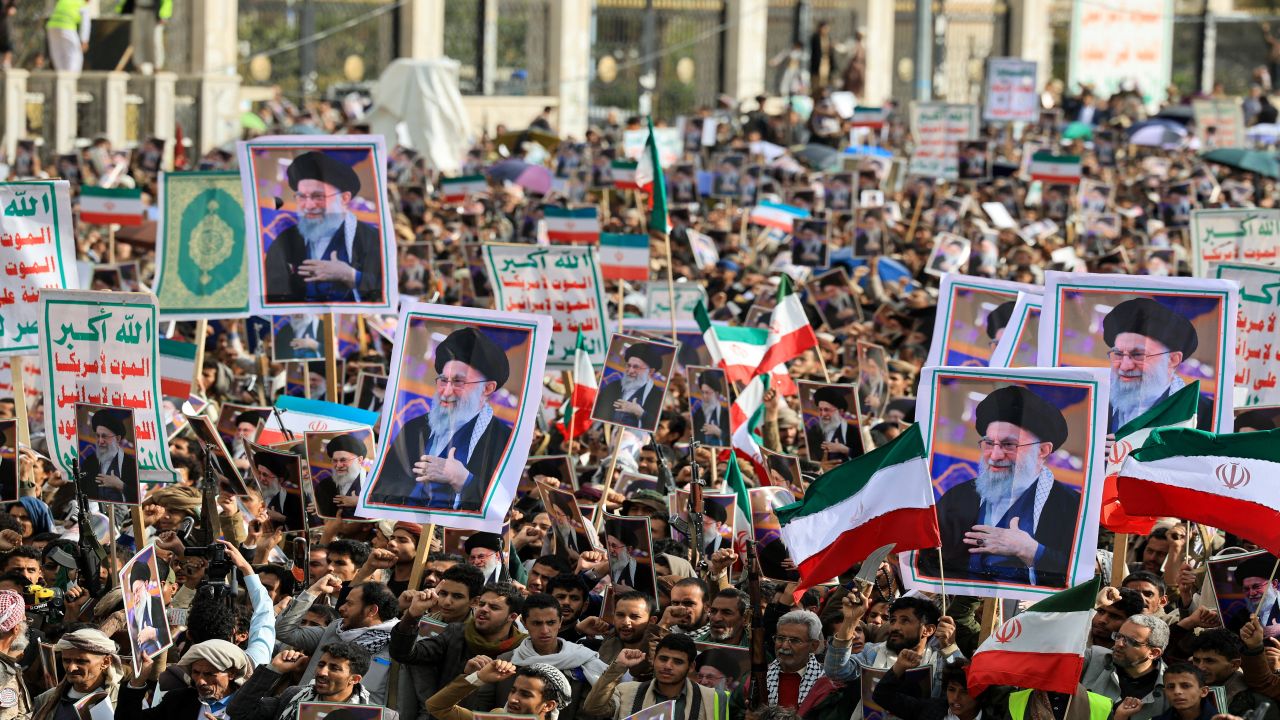
The immediate aftermath was a choreographed chaos. In Tehran, neighborhoods like Ekbatan erupted in a surreal mix of screams and cheers. Some residents honked car horns and distributed sweets, celebrating the end of a 37-year reign they viewed as a suffocating dictatorship. Others, particularly those loyal to the Basij and the IRGC, massed in Enghelab Square, weeping and calling for a "holy war" that would reach the shores of the Mediterranean.
A Blockade by Fear
The strategic fallout shifted almost instantly from the streets of Tehran to the narrow waters of the Strait of Hormuz. While Iran has not issued a formal Decree of Blockade, the waterway is, for all practical purposes, closed.
Shipping giants like Hapag-Lloyd and MSC have suspended all transits. On Sunday, not a single major crude tanker passed through the chokepoint. The mechanism of closure was not a physical wall of ships, but a series of radio broadcasts from the Iranian Navy warning that "no ship will be allowed to pass." When an oil tanker reportedly ignored the warning on March 1, it was struck and left burning off the coast of Oman.
The economic shockwaves were instantaneous. Brent crude surged 13% in early trading, hitting $82 per barrel. Analysts at ICIS warn that if the halt continues, it will block 15 million barrels of oil per day—a fifth of global supply. Unlike previous "tanker wars," there is no diplomatic off-ramp currently visible. Iran’s leadership, now operating under a three-member transitional council, views the Strait as their only remaining lever of survival.
The Axis Strikes Back
Tehran’s retaliation was not confined to Israel or US military bases. In a desperate attempt to prove their "Axis of Resistance" remains functional, Iranian missiles and drones struck targets across six Arab nations. The United Arab Emirates, Bahrain, and Kuwait confirmed hits. A prominent hotel in Dubai was struck, shattering the illusion of the Gulf as a safe playground for global capital.
Saudi Arabia and Qatar managed to intercept the majority of incoming fire, but the message was clear: if the Islamic Republic goes down, it will take the regional economy with it. This "regionalization" of the war is exactly what Khamenei warned of in his final weeks. By targeting US allies who host American bases, Iran is attempting to force a wedge between Washington and its Gulf partners, who now find themselves on the front lines of a war they did not sign up for.
The Succession Crisis
There is no "clear heir" in the Iranian system. The constitution mandates that a committee consisting of the President, the Judiciary Chief, and a member of the Guardian Council manage affairs until the Assembly of Experts can meet. But the Assembly is now a target-rich environment.
Names like Mojtaba Khamenei (the late leader's son) and Ali Larijani are circulating, but the IRGC’s "military junta" may already be the de facto government. The strikes also reportedly killed the IRGC commander and the Defense Minister, leaving the security apparatus in a state of paranoid transition. If the regime cannot consolidate power within the 40-day mourning period, the internal protests—currently a mix of celebration and mourning—could turn into a full-scale civil war.
The United States and Israel are betting that the removal of the "head of the snake" will cause the body to wither. It is a bold theory, but one that ignores the inertia of a forty-year-old revolutionary bureaucracy. For now, the world watches the smoke over Tehran and the silent tankers in the Gulf, waiting to see if this is the birth of a new Middle East or the beginning of a decade of fire.
The era of shadow boxing is over; the gloves are off, and the ring is the entire world.