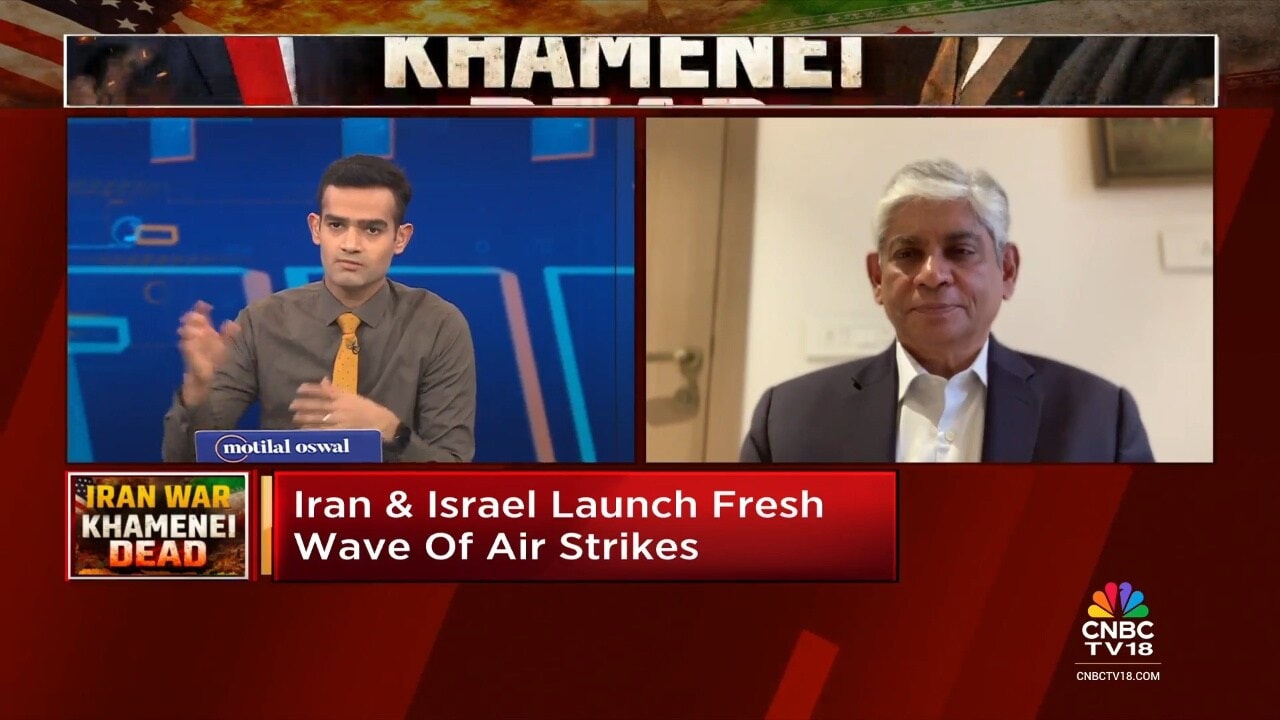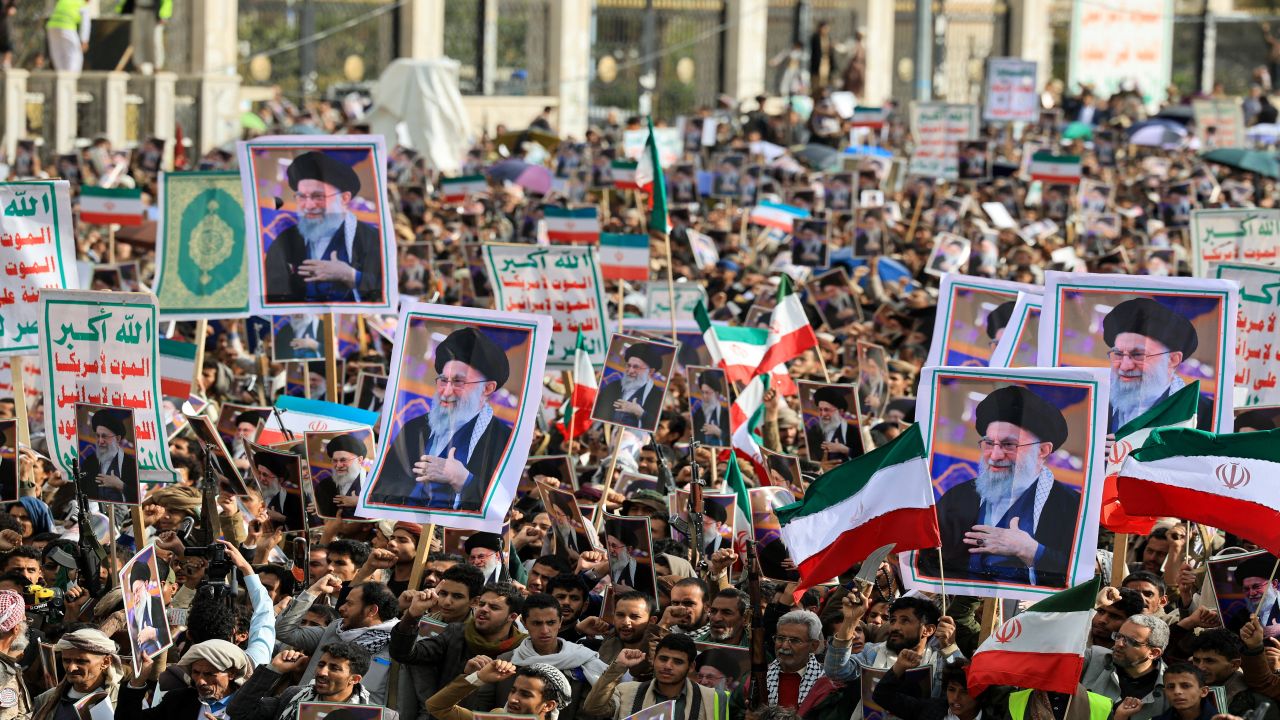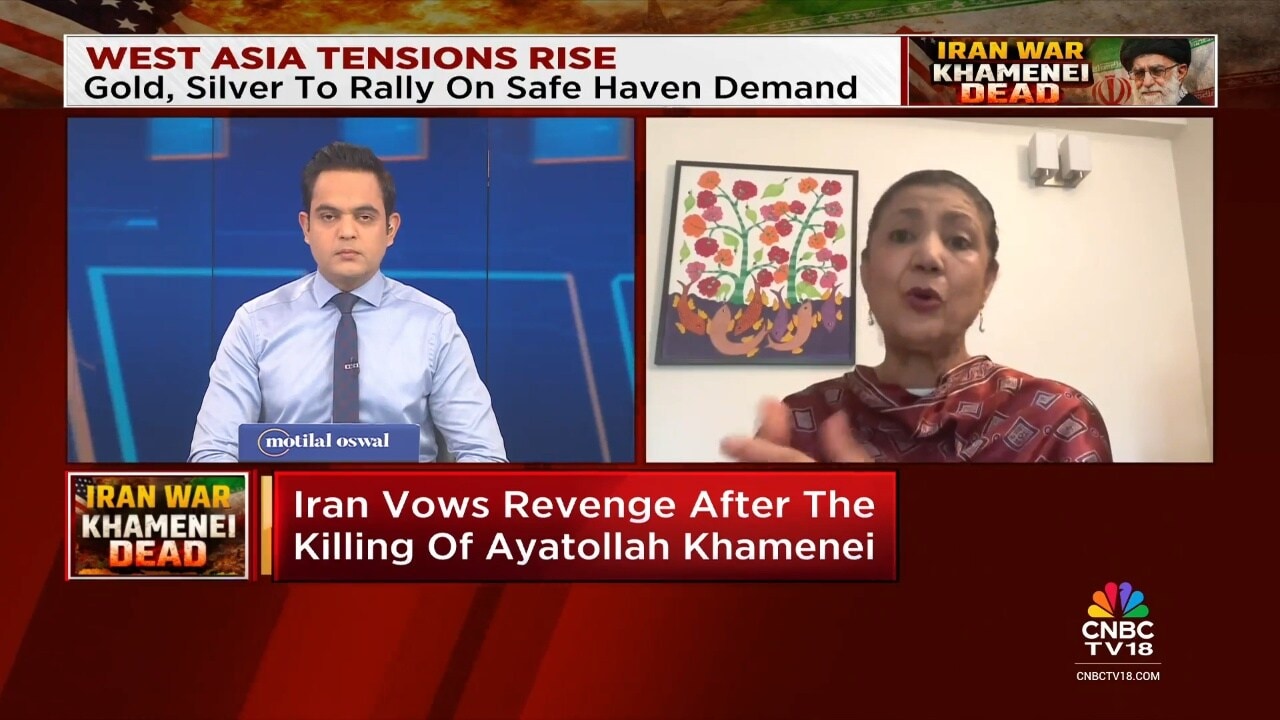
The shadow war between Israel and Iran has moved out of the dark. For decades, the two powers traded blows through proxies, cyberattacks, and targeted assassinations. Now, the direct exchange of ballistic missiles and drone swarms has created a new, volatile reality that threatens to choke global energy markets and pull the United States into a conflict it has spent ten years trying to avoid. While diplomats talk about de-escalation, the structural incentives for war are growing stronger.
The core of the current crisis lies in the collapse of traditional deterrence. When Iran launched a massive aerial assault directly from its own soil against Israel, it broke a long-standing taboo. Israel’s subsequent response proved that no site, including nuclear-sensitive areas like Isfahan, is beyond its reach. We are no longer watching a regional cold war. We are watching a high-stakes rehearsal for a total military confrontation that would fundamentally rewrite the map of the Middle East.
The Strait of Hormuz Trap
Global markets often treat the threat of a closed Strait of Hormuz as a "black swan" event—something rare and unlikely. That is a mistake. Iran views the Strait not just as a geographic feature, but as its ultimate strategic lever. Roughly 20 percent of the world’s liquid petroleum passes through this narrow waterway. If Tehran feels its internal survival is at risk, it will not hesitate to turn off the global energy tap.
This isn't just about oil prices jumping to 150 dollars a barrel. It’s about the physical security of tankers and the insurance markets that sustain global trade. A single sunken vessel or a sophisticated mining operation in the Choke Point would freeze maritime traffic for weeks. The United States Navy’s Fifth Fleet is stationed in Bahrain specifically to prevent this, but protecting hundreds of square miles of water against swarms of fast-attack boats and anti-ship missiles is a logistical nightmare.
The vulnerability is baked into the geography. On one side, you have the jagged coastline of Iran, perfect for hiding mobile missile launchers. On the other, the massive, slow-moving tankers that feed the industrial machines of China, India, and Japan. If the Strait closes, the economic shockwaves will hit Beijing and New Delhi far harder than they will hit Washington, creating a diplomatic crisis that extends well beyond the Levant.
The Proxy Network Paradox
For years, Iran’s "Axis of Resistance" served as a shield. By funding and arming groups like Hezbollah in Lebanon, the Houthis in Yemen, and various militias in Iraq, Tehran ensured that any attack on its soil would result in a multi-front firestorm for Israel. However, this strategy is reaching a point of diminishing returns.
Hezbollah remains the most potent non-state military force on the planet. Its arsenal of over 150,000 rockets is designed to saturate Israel’s Iron Dome defense system. But there is a limit to how much Lebanon can endure. The country is already a financial wreck. If Hezbollah triggers a full-scale war to save its patrons in Tehran, it risks losing its domestic political standing entirely.
Similarly, the Houthis have proven they can disrupt the Red Sea with relatively cheap technology. By forcing global shipping to detour around the Cape of Good Hope, they have already added billions to global logistics costs. This "asymmetric" warfare is Iran's specialty. It allows them to inflict massive economic damage on the West without ever firing a shot from a regular navy ship.
The Nuclear Threshold and the Point of No Return
The most dangerous variable in this equation is Iran’s nuclear program. Since the collapse of the 2015 nuclear deal, Tehran has pushed its enrichment levels to 60 percent—a short technical jump from weapons-grade 90 percent. International inspectors have less visibility now than at any point in the last decade.
Israel has made it clear that a nuclear-armed Iran is an existential threat it will not tolerate. This creates a "use it or lose it" mentality in Israeli military circles. If they believe Iran is months away from a "breakout" capability, the pressure to launch a massive preemptive strike becomes overwhelming. Such a strike would not be a surgical operation; it would require a weeks-long bombing campaign to penetrate deep underground facilities like Fordow.
Iran knows this. Consequently, they are hardening their defenses and deepening their military cooperation with Russia. This creates a feedback loop. As Iran gets closer to the bomb, Israel gets closer to a strike, and the U.S. gets closer to a war it cannot afford.
The Failure of Regional Diplomacy
Middle Eastern powers like Saudi Arabia and the United Arab Emirates are caught in a brutal middle ground. On one hand, they view Iran’s regional ambitions with deep suspicion. On the other, they realize that their multi-billion dollar "vision" projects and glass skyscrapers are easy targets for Iranian missiles.
The recent Chinese-brokered detente between Riyadh and Tehran was not a peace treaty. It was a non-aggression pact born of exhaustion. The Gulf monarchies are trying to hedge their bets. They want American security guarantees, but they don't want to be the front line in a war between Washington and Tehran. This hesitation makes a unified regional front against Iran nearly impossible to maintain.
If a conflict breaks out, these nations will likely declare neutrality, but neutrality is hard to maintain when missiles are flying over your airspace. The lack of a robust, home-grown security architecture in the Gulf means the region remains dependent on external powers to play the role of referee—a role the U.S. is increasingly reluctant to fill.
The Economic Consequences of Miscalculation
We must look at the cold math of a Persian Gulf war. A sustained conflict would not just raise the price of gasoline; it would break the back of the global transition to renewable energy. The capital required for green energy projects would dry up as investors flee to the safety of the U.S. dollar and gold.
Furthermore, the disruption of trade routes through the Suez Canal and the Strait of Hormuz would cause a massive spike in inflation for basic goods. We saw a preview of this during the supply chain crisis of 2021, but a war in the Gulf would be significantly worse. We are talking about the total stoppage of trade for months, not just delays.
| Sector | Potential Impact of Gulf Conflict |
|---|---|
| Global Oil Price | Immediate spike to $120-$150 range |
| Maritime Insurance | 300-500% increase in premiums for Gulf transit |
| Global Shipping | Redirection of all East-West trade around Africa |
| Regional Real Estate | Massive capital flight from Dubai and Doha |
The world is currently unprepared for the systemic shock of an Iranian collapse or a regional war. The focus on Ukraine and the South China Sea has left the Middle East as a neglected theater, despite it remaining the world’s primary gas station.
The American Dilemma
Washington’s policy toward Iran is currently a mess of contradictions. It wants to contain Iran’s nuclear program through sanctions, but those sanctions have failed to stop Tehran’s progress. It wants to protect Israel, but it doesn't want to be dragged into a war with Hezbollah. It wants to pivot to Asia, but it keeps getting pulled back into the sands of the Middle East.
This lack of a clear, decisive strategy has emboldened hardliners in Tehran. They believe the U.S. is a fading power with no appetite for another "forever war." This perception of weakness is the most dangerous element of the current crisis. When one side believes the other is bluffing, they take risks they otherwise wouldn't.
Iran is betting that it can push the envelope—seizing tankers, enriching uranium, and arming proxies—without triggering a full-scale American intervention. If they are wrong, the resulting explosion will be felt in every corner of the global economy.
There is no easy exit from this cycle of escalation. Sanctions are already at their maximum, and diplomacy is on life support. The path to peace requires a grand bargain that neither side is currently willing to sign. This leaves us in a state of permanent "gray zone" warfare, where a single mistake by a drone operator or a ship captain could set the entire region on fire.
Keep your eye on the price of Brent Crude and the movement of carrier strike groups. They are the only honest indicators left in a region defined by deception and brinkmanship.
Would you like me to analyze the specific military capabilities of the Iranian "Axis of Resistance" drones currently being used in regional conflicts?