Western media is addicted to the theater of moral superiority. Every time a headline screams about Tehran’s latest judicial cruelty, the machinery of international indignation starts humming. We see the same pattern: a viral report, a flurry of hashtags, a "stern warning" from a Western leader, and a predictable denial from the Islamic Republic.
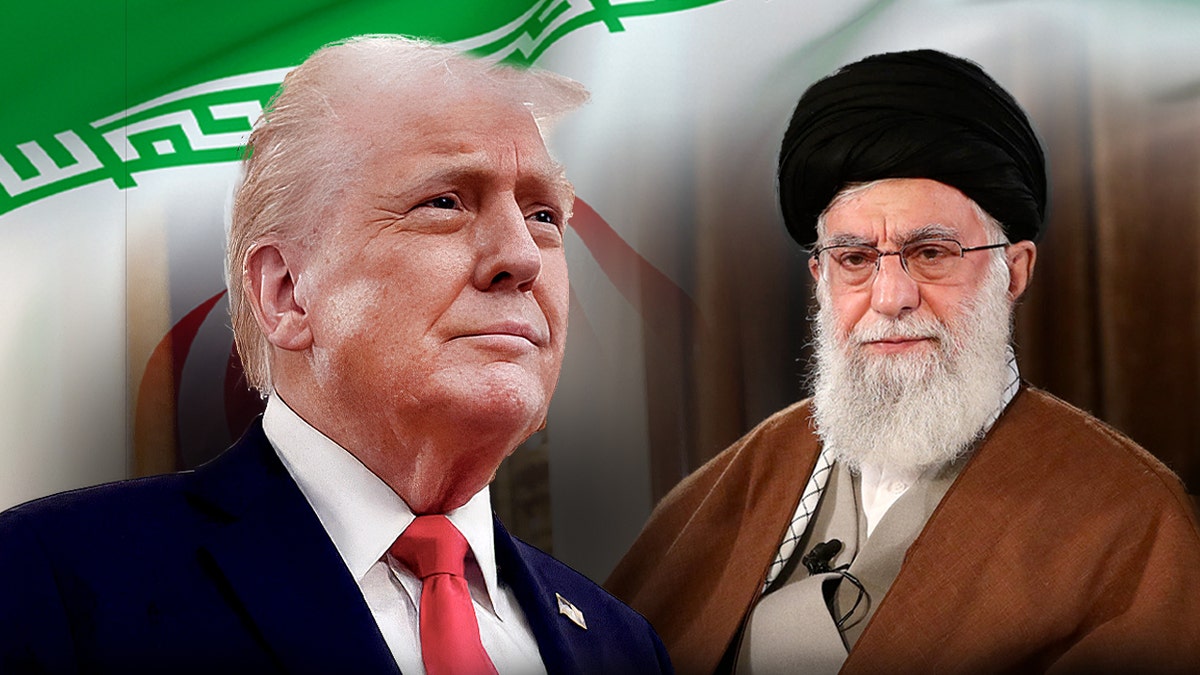
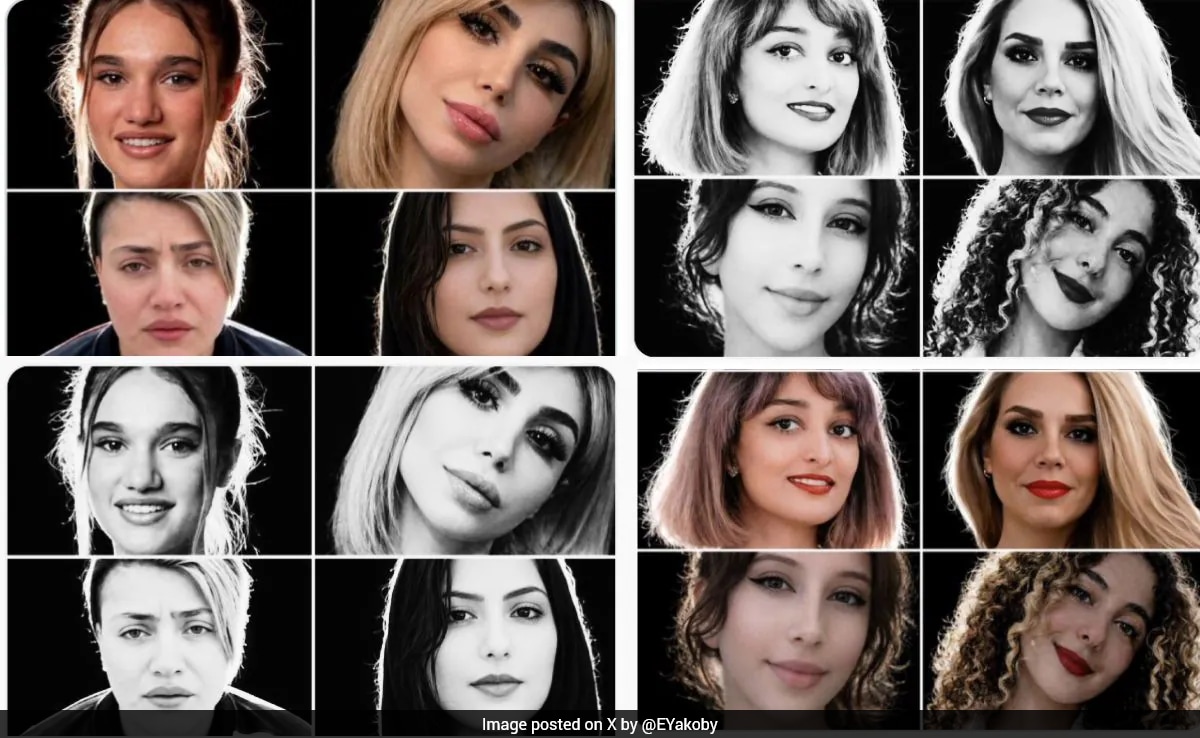
The recent firestorm surrounding Donald Trump’s claims that Iran is set to execute eight women is the latest iteration of this exhausted cycle. Most outlets are busy fact-checking the numbers or debating the timeline. They are missing the structural reality. Whether the number is eight, eighty, or zero is secondary to the fact that both sides are using the specter of the gallows to fund their own geopolitical narratives.
If you want to understand Iran, stop looking at the headlines and start looking at the leverage.
The Execution Economy
Executions in Iran aren't just about domestic control; they are a commodity in the global attention economy.
When a Western politician—especially one with the megaphone of a former and potential future president—amplifies a specific execution narrative, they aren't saving lives. They are inadvertently raising the "price" of those lives. In the cold calculus of the IRGC (Islamic Revolutionary Guard Corps), a prisoner who garners international fame becomes a more valuable asset for prisoner swaps, sanctions relief, or simple diplomatic distraction.
The "lazy consensus" suggests that global pressure forces Tehran to back down. The data suggests otherwise. According to reports from groups like Iran Human Rights (IHR), execution rates often spike during periods of intense international scrutiny or domestic unrest. It is a flex. It is a way for the regime to signal that Western "norms" stop at the border.
I’ve spent years analyzing the intersection of Middle Eastern policy and media cycles. The most dangerous place for an Iranian political prisoner is in the middle of a campaign speech in Washington D.C.
The Myth of the "Rogue" State
We love to frame Iran as an irrational actor, a "rogue" state driven by medieval bloodlust. This is a comforting lie that allows Western diplomats to avoid the harder work of realpolitik.
Tehran is one of the most rational, calculated actors on the global stage. Their use of capital punishment is a calibrated tool of statecraft.
- Internal Signaling: It tells the domestic population that the state’s monopoly on violence is absolute, despite any protests.
- External Deterrence: It creates a permanent state of friction that makes normalization impossible, which paradoxically serves the hardliners who thrive on the "besieged fortress" mentality.
By focusing on the "shock" of the executions, the competitor's article misses the utility of the act. If you treat a chess move as a random outburst of anger, you’ve already lost the game.
The Trump Factor and the Validation Loop
Donald Trump’s rhetoric regarding the eight women allegedly facing execution is a masterclass in the validation loop.
Trump uses the brutality of the Iranian regime to validate his "Maximum Pressure" legacy. Tehran, in turn, uses Trump’s rhetoric to validate its narrative that the West is meddling in its internal legal affairs. It is a symbiotic relationship. They both need the other to be the villain.
But let’s look at the "People Also Ask" obsession: Does international pressure actually stop executions in Iran?
The answer is a brutal, nuanced "rarely." While individual cases (like Sakineh Mohammadi Ashtiani years ago) saw stays of execution due to unprecedented global noise, the systemic rate of hangings remains a constant baseline. In 2023 alone, Iran executed at least 834 people. Where was the viral outrage for the other 826?
The selective outrage of the West doesn't dismantle the system; it just picks and chooses the mascots for its own moral crusade.
Understanding the Iranian Penal Code as a Strategic Document
To talk about these eight women without talking about the Qisas (Retribution) law is journalistic malpractice.
In the Iranian legal system, $Qisas$ isn't just a punishment; it’s a civil right granted to the victim’s family. The state often acts merely as the facilitator. This creates a unique diplomatic loophole. The regime can tell the UN, "We aren't executing them; the family is demanding their right to retribution."
This is where the nuance gets buried. A "contrarian" view isn't just saying the executions are bad; it’s recognizing that the Iranian state has outsourced its "cruelty" to the citizenry to insulate itself from international legal accountability.
When we scream "Stop the executions," we are yelling at a brick wall because, on paper, the state claims it lacks the power to intervene in a private "blood money" negotiation.
The Failure of "Awareness"
We have been led to believe that "raising awareness" is the primary weapon against autocracy. This is a digital-age delusion.
I have seen human rights organizations spend millions on social media campaigns that produce plenty of "likes" and zero policy shifts. In fact, aggressive Western campaigns often provide the pretext for the Iranian judiciary to add "collusion with foreign powers" to a prisoner’s charge sheet, effectively sealing their fate.
If you actually want to disrupt the cycle of executions in the Islamic Republic, you have to stop making the victims famous.
Imagine a scenario where the West responded to every execution announcement not with a tweet, but with a targeted, quiet, and devastating strike on the financial assets of the specific judges and executioners involved. No press releases. No grandstanding. Just the cold, clinical removal of the incentives that keep the gallows working.
But that doesn't get clicks. That doesn't help a politician look "tough" on the campaign trail.
The Intelligence Gap
The competitor article relies on the premise that what we see is what is happening. The reality is that the most significant human rights abuses in Iran happen in the silence between the headlines.
The focus on "eight women" is a distraction from the hundreds of ethnic minorities—Baluchis, Kurds, and Arabs—who are executed in the periphery of the country with zero fanfare. The Western gaze is inherently biased toward the stories that fit a neat, photogenic narrative.
By hyper-focusing on the cases Trump highlights, we are inadvertently telling the regime which lives we value and which ones we don't. We are giving them a map of our own blind spots.
Stop Trying to "Save" Iran
The fundamental flaw in the Western perspective is the "Savior Complex." We believe that if we just find the right combination of sanctions and hashtags, the "oppressed" people of Iran will rise up and install a Jeffersonian democracy.
This is a fantasy that has failed for forty-five years.
The Iranian regime doesn't fear our outrage; it harvests it. It uses our documentaries and our speeches as proof to its core supporters that the world is out to destroy their way of life. Every time we "denounce" Tehran, we provide a fresh coat of paint to their "Great Satan" posters.
The contrarian truth is that the most effective way to weaken the regime’s grip is to make them irrelevant. This means moving beyond the "outrage-of-the-week" cycle and addressing the structural economic and energy realities that keep the IRGC in power.
The Real Cost of Virtue Signaling
There is a cost to these viral moments. When the news cycle moves on—and it always does—the prisoners are left in a worse position than they started. They have been used as pawns in a Western political debate, and once the debate is over, the pawn is discarded.
We aren't "demystifying" the regime; we are participating in its theater.
If you want to be a serious observer of Iranian politics, you have to develop a stomach for the uncomfortable. You have to admit that our "solidarity" is often a form of self-gratification that has no impact on the ground in Evin Prison.
The regime in Tehran is playing a multi-dimensional game of survival. We are playing a game of "who can look the most concerned on camera."
As long as that remains the case, the gallows will keep dropping. Not because the regime is "mad," but because we have made the rope a valuable diplomatic asset.
Quit the hashtags. Stop the performative empathy. Start looking at the ledger.
The executions aren't the problem; they are the symptoms of a global system that rewards performative conflict over actual change. If you're still waiting for a "pivotal" moment to change Iran from the outside, you haven't been paying attention to the last half-century.
The only way to win this game is to stop playing the role Tehran has written for you.