Dawn in Sanaa does not arrive with the cheerful chirping of birds. It comes with a dull, heavy thud that vibrates through the floorboards, rattling tea glasses on plastic tables before the sun has even managed to slice through the dust hanging thick in the mountain air.
For the families living in the shadow of the rugged northern ridges, every sunrise is a gamble. Will today bring a fragile pause in the gunfire, or another round of intense clashes between Houthi fighters and the armed forces of the internationally recognized government? Down in the alleys, people do not check weather apps; they listen to the distant echo of artillery and gauge the mood of the streets.
Conflict has a way of becoming routine, yet it never loses its sting.
The Line in the Dust
To understand what is happening right now along the volatile frontlines in regions like Marib, Taiz, and Hodeidah, you have to look past the cold troop numbers and tactical maps. You have to look at the geography itself. Yemen is a puzzle of jagged peaks, deep canyons, and sun-baked coastlines that have served as natural fortifications for centuries.
When clashes erupt between Houthi forces and government troops, they are fighting for control over high ground, vital supply roads, and critical ports. Every ridge captured is a defensive shield; every lost valley is a strategic nightmare.
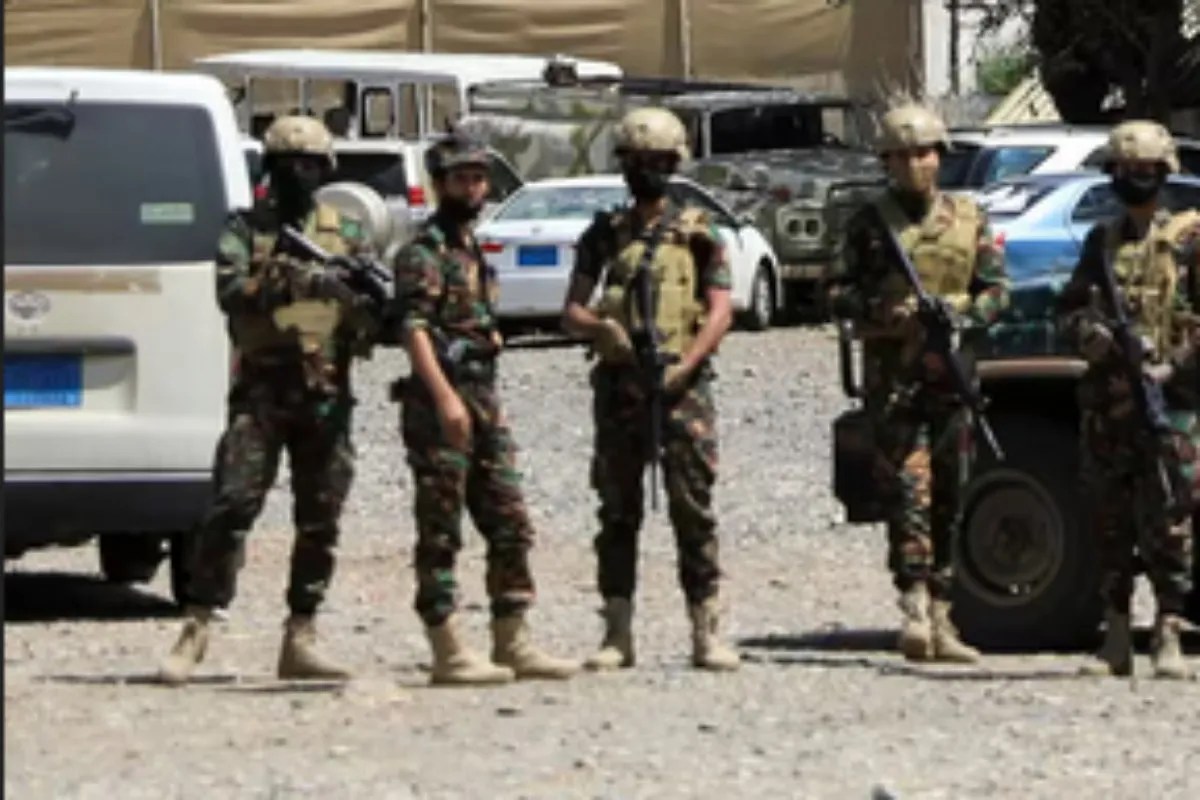
Consider a hypothetical checkpoint on the outskirts of a contested city. A young soldier, barely old enough to shave, grips his rifle with fingers calloused by months of standing watch under a merciless sun. He is not thinking about grand political theories or international diplomacy. He is thinking about whether the truck coming down the winding gravel road carries ordinary merchants bringing flour and vegetables, or something far more dangerous. Across the valley, behind a wall of sandbags and weathered stone, another young man stares back through binoculars, bound by a different flag and a deeply opposing conviction.
This is the human gridlock of the conflict. Two sides locked in a brutal stalemate, separated by miles of minefields and distrust, while ordinary citizens try to carve out a normal life in the crossfire.
The Heavy Price Paid Below
The statistics are staggering, but numbers lose their punch when you read them on a screen. Let's talk about the reality behind the data.
When military operations intensify around key infrastructure, the immediate victims are rarely the combatants holding the high ground. They are the farmers whose irrigation canals are shattered by stray mortar fire. They are the children whose schools double as makeshift shelters or get caught in the debris of sudden escalation. They are the mothers who must decide whether to risk a trip to the local market while clashes echo from the nearby hills.
Hospitals in contested zones operate under constant strain. Generators hum loudly, burning through precious, expensive fuel just to keep lights on in surgical wards. Doctors and nurses work twenty-four-hour shifts, treating shrapnel wounds and trauma cases with supplies that are perpetually running low. They do not ask which side a wounded patient belongs to. In the emergency room, politics vanish. There is only blood, breath, and the frantic race to keep someone alive until the next shift begins.
The Fragile Search for Stability
For years, regional mediators, international diplomats, and local elders have tried to untangle this massive knot. Temporary truces have flared and faded like matches struck in a gale-force wind. Each time an agreement breaks down and renewed fighting breaks out, a fresh wave of displacement ripples through the countryside.
Families pack whatever they can carry onto the back of battered pickup trucks, heading toward makeshift camps where tents flap endlessly in the desert wind. They leave behind stone houses scarred by bullet holes, abandoned orchards, and memories of a quieter past.
Yet, resilience runs deep in this part of the world. Even as artillery echoes in the distance, tea is still poured, bread is still baked in wood-fired ovens, and children still kick a deflated football through narrow dust-choked streets.
The clashes between Houthi forces and government troops are not just tactical chess moves on a distant map. They are chapters in a long, painful story written across a scarred landscape. And until a lasting, inclusive peace takes root in the valleys and mountains, the shadow over Yemen will continue to stretch across the lives of everyone who calls it home.