The 2024 ceasefire is dead. If you were looking for the moment the "shadow war" between Israel and Iran finally collapsed into a regional wildfire, this is it. On Monday, March 2, 2026, Lebanon’s Health Ministry confirmed that at least 31 people are dead and 149 wounded following a massive wave of Israeli airstrikes. These strikes didn't happen in a vacuum; they're the direct result of Hezbollah breaking its year-long restraint by launching a direct missile and drone barrage into Israel.
The numbers are grim. About two-thirds of the fatalities occurred in southern Lebanon, with the rest concentrated in the Dahiyeh district of Beirut—a known Hezbollah stronghold. But don't think this is just a local skirmish. It’s the latest chapter in Operation Epic Fury, the joint US-Israeli campaign that has already claimed the life of Iran’s Supreme Leader, Ayatollah Ali Khamenei.
Why the Lebanon Ceasefire Collapsed
It’s been over a year since the November 2024 ceasefire was signed. Honestly, most analysts knew it was a fragile band-aid on a gaping wound. When Israel and the US launched their strike campaign against Tehran on Saturday, Hezbollah was backed into a corner. They had two choices: stay quiet and watch their benefactor fall, or jump into the fray.
They chose the latter. Overnight, Hezbollah fired a "swarm of drones" and missiles at a military base near Haifa. They explicitly stated this was "revenge" for Khamenei’s death. Israel’s response was immediate and overwhelming. The IDF didn't just target launch sites; they went after senior commanders and weapons depots across the Bekaa Valley and Beirut.
The Human Toll of the Overnight Strikes
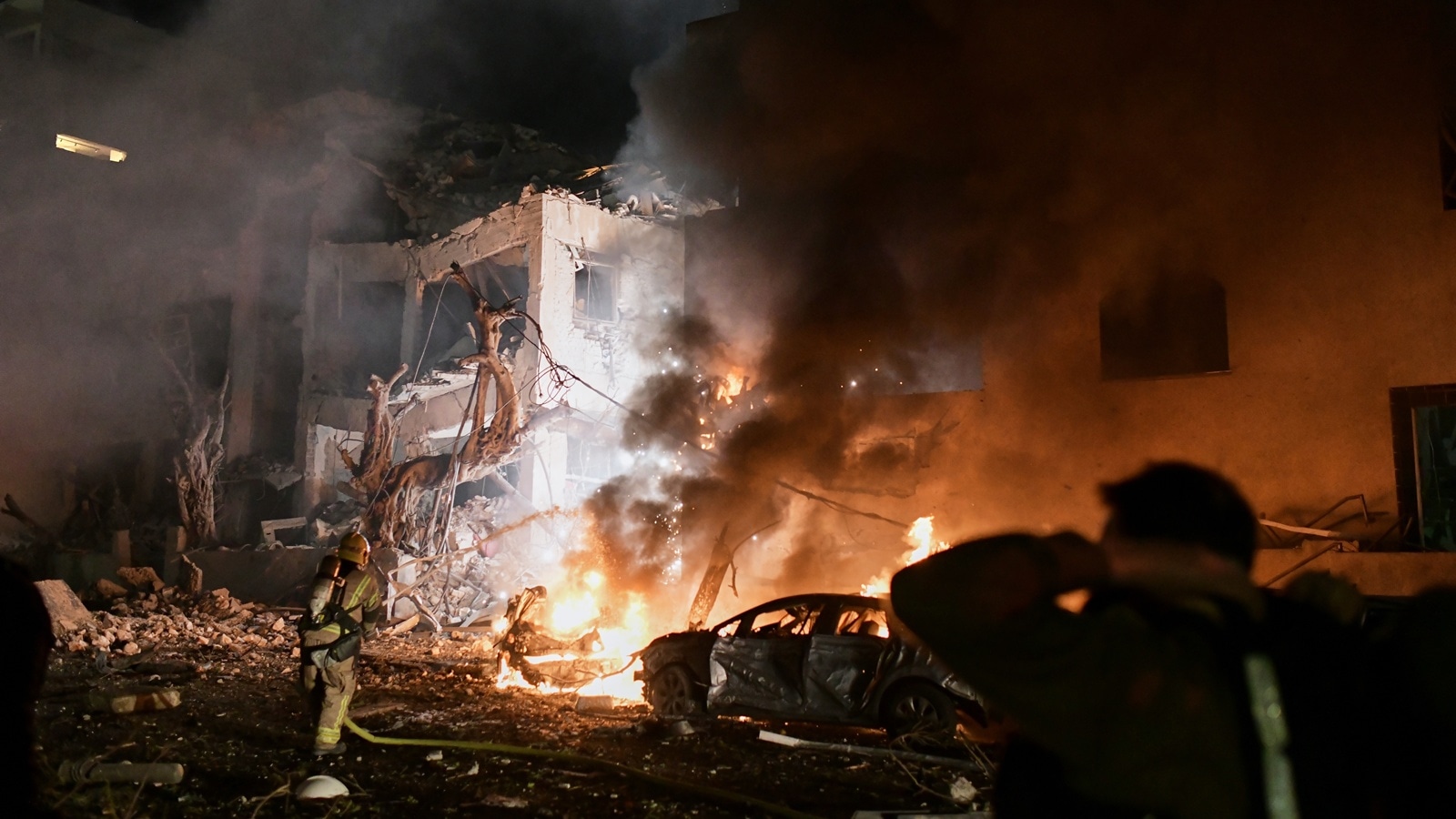
The Lebanese Health Ministry doesn't distinguish between combatants and civilians in their death counts, but the imagery coming out of Beirut tells a clear story. Entire apartment blocks in Dahiyeh have been reduced to "crumpled buildings" and "burnt-out husks of cars."
- Total Dead: At least 31 people.
- Wounded: 149, with many in critical condition.
- Displaced: Thousands are currently fleeing southern Lebanon and Beirut’s southern suburbs, jamming highways as they seek safety.
The IDF issued evacuation orders for 55 different villages and towns. They’re telling people to stay at least 1,000 meters away from any Hezbollah facility. In a densely populated country like Lebanon, that’s basically impossible for many residents.
The Trump Factor and the War on Iran
President Donald Trump isn't mincing words about the scope of this conflict. He’s already confirmed the deaths of three US service members and warned that Operation Epic Fury could last at least four weeks. His goal? A total dismantling of Iran’s offensive capabilities.
The US military has already reportedly destroyed the headquarters of the Islamic Revolutionary Guard Corps (IRGC). This isn't just about "containing" a threat anymore; it’s an all-out effort to force a regime change or a total surrender. Trump even called on Iranian citizens to "rise up" against their government.
Regional Spillover is No Longer a Theory
While the focus is on Lebanon right now, the fire is spreading everywhere.
- Kuwait: The US Embassy issued an urgent "take cover" warning after an Iranian drone reportedly hit the compound.
- Gulf States: Explosions have been heard in Dubai, Doha, and Manama. Iran is lashing out at any country hosting US forces.
- Israel: Despite the Iron Dome’s efficiency, a missile recently hit a bomb shelter in Beit Shemesh, injuring several people.
What This Means for Your Security
If you're an expat or a traveler in the Middle East, the "wait and see" period is over. The US State Department has essentially locked down embassies in Kuwait and warned of continuing missile and UAV threats.
The Iranian strategy right now is "reckless and destabilizing," according to a joint statement from the US and several Arab allies like Saudi Arabia and the UAE. Tehran is running low on ballistic missiles—experts estimate they have between 1,500 and 3,000 left—and they're firing them at a rate that suggests they know their window is closing.
Myths vs Reality in the Current Conflict
- Myth: This is just another border skirmish.
- Reality: This is a multi-front war involving the US, Israel, Iran, Lebanon, and potentially the entire Gulf Cooperation Council.
- Myth: Hezbollah is as strong as it was in 2006.
- Reality: While still dangerous, Hezbollah has been "decimated" by previous Israeli operations and is currently acting out of desperation rather than a position of strength.
Immediate Steps for Those in the Region
If you have family or business interests in the Levant or the Gulf, here’s what you need to do. First, stop relying on social media for evacuation routes; use official embassy channels. Second, ensure you have at least two weeks of non-perishable supplies and clean water. The strikes on infrastructure are intensifying, and power grids in Beirut are already flickering.
Check your country's travel advisories immediately. Countries like Australia have already noted that over 115,000 of their nationals are currently stuck in the Middle East. Don't wait for a formal evacuation flight to start making your "Plan B."
The military campaign is not slowing down. Israeli General Rafi Milo has already vowed to "intensify" the assault on Lebanon. The proxy war is over—the real war is here.