Smoke smells different when it carries malice. It is thick, oily, and clings to the back of the throat long after the flames have been beaten back by weary firefighters.
Imagine standing in the charred remains of a cultural center in Altdöbern. The walls are skeletal ribs of black timber. The floor is a slick mess of ash and water. This was not an accident born of faulty wiring or bad luck. This was a deliberate act of destruction carried out in October 2024 by a radical right-wing youth group calling themselves the Last Defense Wave.
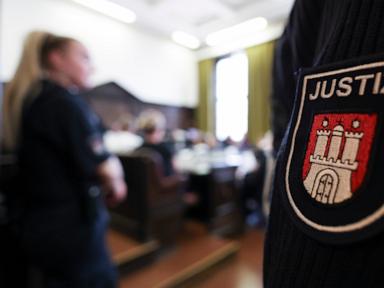
Now, look at the courtroom where the final reckoning arrived.
A German court has handed down sentences ranging from one and a half to five years in prison for seven young members and one supporter of this underground cell. When they committed these crimes, they were between 14 and 21 years old. Fourteen. An age defined by awkward growth spurts, late-night text messages, and a desperate search for identity. Instead, these teenagers found themselves trapped in a theater of cruelty, trading their youth for prison cells.
The trajectory of radicalization is rarely a sudden lightning strike. It is a slow leak, drop by drop, filling a young mind until there is no room left for empathy.
Consider how it begins. A lonely bedroom. A glowing smartphone screen late at night. Algorithms designed to maximize engagement instead feed a steady diet of grievance, paranoia, and exclusionary hatred. The digital world feels vast, but it quickly shrinks into an echo chamber where complex societal anxieties are reduced to a single, toxic scapegoat. The stranger, the outsider, the neighbor becomes an abstract enemy.
By January 2024, this digital venom spilled into the physical world in Schmölln. Members of the same group targeted an asylum-seeker shelter. They did not just throw pyrotechnics; they threw away their futures. They scrawled crude swastikas and slogans across the facade, leaving permanent marks of shame on stone walls while sealing their own legal fates. They fancied themselves soldiers in an imaginary war, but they were acting out a script written by older, more cynical manipulators who stayed safely in the shadows while children lit the matches.
There is a terrifying fragility to community spaces, places meant for gathering, dialogue, and shared humanity. When an arson attack reduces a building to ash, it destroys more than timber and drywall. It burns a hole in the social fabric. It tells every newcomer, every minority, and every local family that safety is an illusion.
Yet, the investigative web tightened because conspiracies are rarely as airtight as their creators believe. Plans to target another shelter in Senftenberg were foiled thanks to crucial tips from watchful reporting teams. The state's judicial machinery, operating under juvenile criminal law designed to balance punishment with the slim hope of rehabilitation, ground forward. The youngest defendant received a one-and-a-half-year sentence, which was suspended, offering a fragile bridge back to reality. The older participants received harder terms, up to five years behind bars, where cell doors close with a heavy, metallic finality.
We look at these young faces in the courtroom dock, stripped of their bravado, dressed in ordinary clothes, and we are forced to confront an uncomfortable truth. Extremism does not arrive from the outside as an alien invasion. It grows quietly in our own backyards, fed by a failure to give adolescents healthier ways to channel their raw, searching energy.
The courtroom door shuts. The appeals are filed. But the smoke from Altdöbern lingers, a stark reminder of how cheaply a life can be traded for a lie, and how hard it is to rebuild what a match can destroy in seconds.
German court puts 'confirmed extreme right-wing' designation of AfD party on hold until final ruling
This video provides additional context on how German legal and political systems navigate the complex landscape of right-wing extremism and judicial oversight.