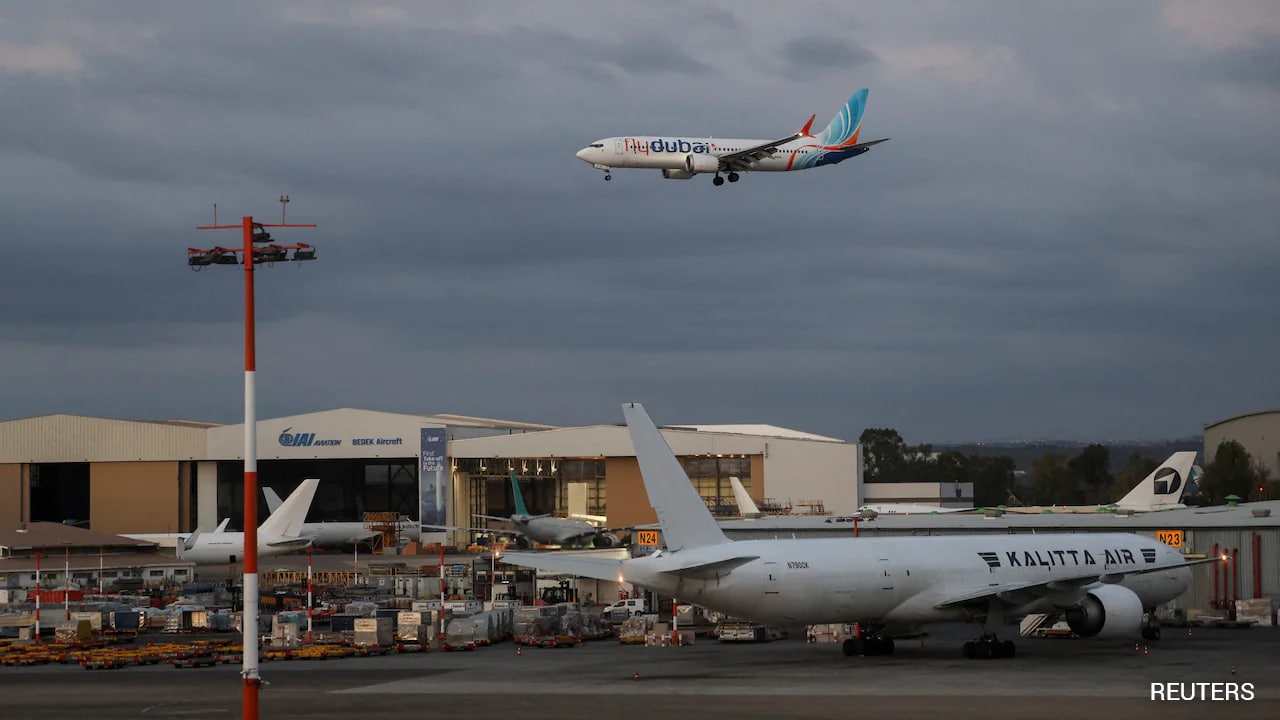
When an unexpected cockpit emergency forced a Dubai-to-Tel-Aviv commercial flight to divert sharply toward Saudi Arabia, nobody on board expected it to trigger an immediate aviation freeze. Yet that is precisely what happened. The disruption left hundreds of citizens stranded abroad and sparked an urgent diplomatic scramble to bring them back.
An Arkia-operated flight touched down at Ben Gurion International Airport early Saturday, marking the very first repatriation effort to ferry stranded Israelis home from the United Arab Emirates. Commercial ties that once felt completely routine hit a brick wall overnight. Understanding how this unfolded requires looking past surface-level headlines into the hard realities of modern regional aviation security. Recently making waves lately: Why Omani Pilots Flying to Tel Aviv is Not a Security Breach But Quiet Operational Realism.
The Immediate Fallout of the Flydubai Emergency
The crisis kicked off when flydubai flight FZ1073 experienced a terrifying cockpit altercation. Investigators later revealed an attempted takeover targeting Ben Gurion Airport. The safety protocols clicked into motion instantly, but the commercial consequences were brutal. Flydubai suspended all routes to Israel on the spot, and local carriers like El Al initially canceled scheduled rescue loops.
Travelers found themselves stuck in transit hubs across the Emirates with zero straightforward ways back. Many had used Dubai merely as a connecting bridge to destinations further east, such as Thailand. Suddenly, vacationers and business commuters were camping out near boarding gates, checking phone apps obsessively, and waiting for diplomatic clearances just to board a flight heading west. Additional details regarding the matter are detailed by USA Today.
The turning point came when authorities cleared special operations to get people moving again. The initial Arkia flight out of Dubai carried not just regular tourists, but several passengers who had been on the original compromised aircraft. Stepping off the tarmac in Lod brought an immense wave of relief, but the underlying questions about regional transit safety remained entirely unresolved.
Why Normalizing Direct Flights Is Hitting Serious Roadblocks
Getting planes back into the air isn't just about refueling and filing flight plans. Months after the incident, major disruptions continue to plague the corridor. Flydubai pushed its route suspensions further down the calendar, while Israeli carriers face ongoing diplomatic friction over security arrangements.
Security is the core bottleneck. Israeli officials have pushed for stricter, independent oversight protocols on flights originating from the Gulf, including the presence of specialized security personnel. Host authorities have historically resisted these specific demands, creating a standoff that keeps commercial jets grounded. While Etihad Airways continues normal operations via Abu Dhabi, the lack of direct capacity through Dubai forces passengers to seek complicated, expensive detours through third countries.
Legal Battles and the Human Cost
Beyond the logistical headache, the psychological toll on those involved is staggering. Survivors and affected passengers aren't just moving on quietly. Reports indicate that roughly a hundred travelers have initiated legal steps, pursuing class-action lawsuits against the airline and relevant state authorities over the glaring security gaps that allowed the incident to unfold.
At the same time, the Israeli government officially designated those on board the compromised flight as victims of a hostile action. That classification unlocks critical financial support, medical assistance, and government-backed counseling. It underscores just how thin the line is between standard commercial aviation and geopolitical flashpoints.
If you are planning travel through the region, don't rely blindly on airline schedules staying fixed. Keep backup routes open, monitor diplomatic updates closely, and expect security checks at international hubs to remain intensely rigorous for the foreseeable future.
This video provides direct coverage and passenger perspectives regarding the security crisis at Ben Gurion Airport and the urgent repatriation efforts following the incident.