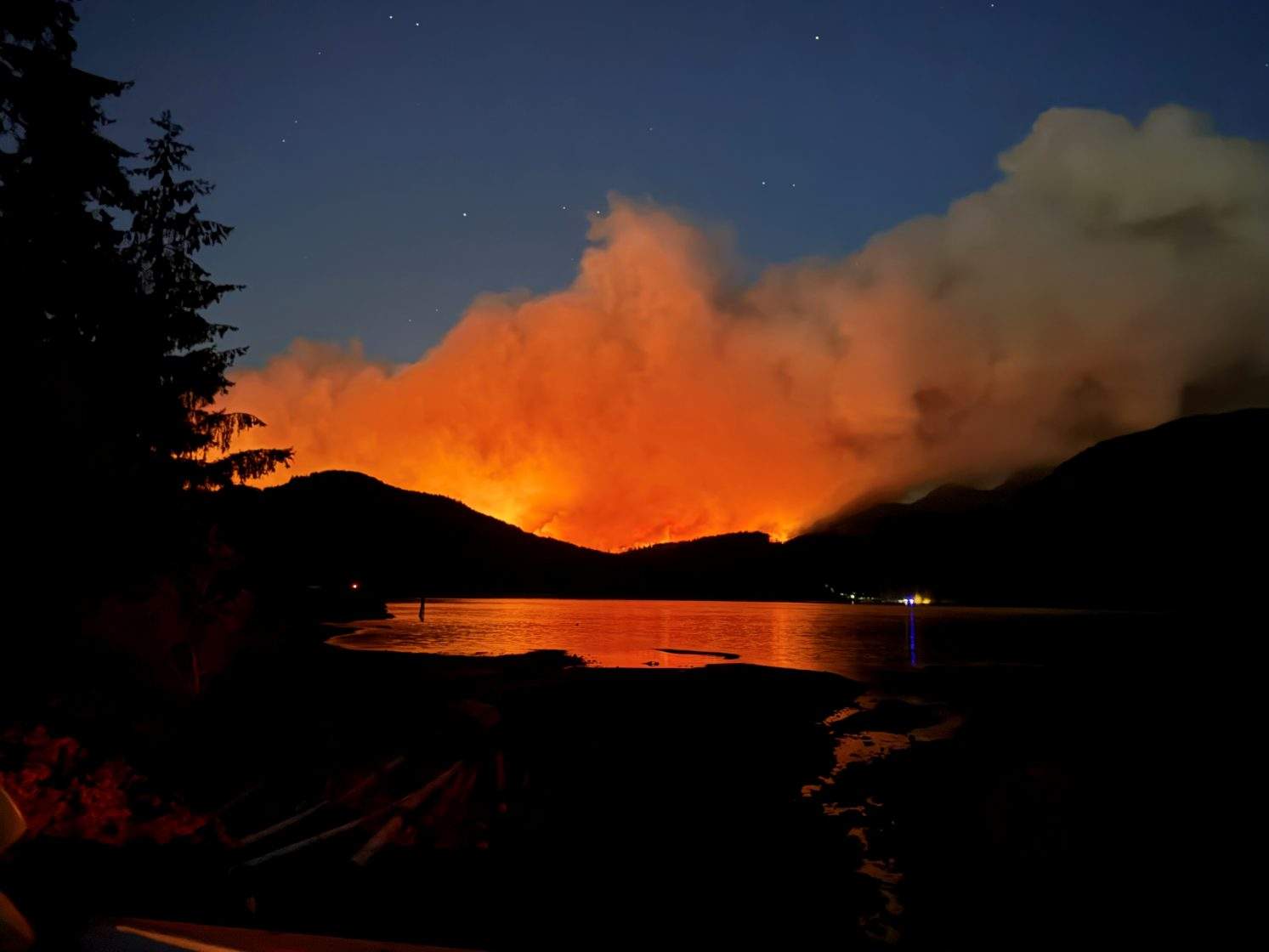
Plumes of thick, grey smoke rising from the Beirut skyline have become a recurring image on global news feeds. When an Israeli strike hits the Lebanese capital, media outlets rush to publish the same fast, breaking updates. They show you the destruction. They give you the immediate casualty counts. But they usually miss the broader strategic picture that explains why these strikes are happening now and what they mean for the stability of the Middle East.
Understanding the escalation between Israel and Hezbollah requires looking past the immediate chaos of the explosions. The smoke over Beirut isn't just the result of a isolated military action. It represents a critical turning point in a long-running regional conflict. To understand where this crisis is heading, you have to look at the tactical shifts, the intelligence game, and the immense human cost that defines life in Lebanon today.
Why Beirut Keeps Finding Itself in the Crosshairs
Many people assume that military operations are confined to the southern border region of Lebanon. That's a mistake. While the border sees daily artillery exchanges, targeted strikes in Beirut serve a completely different strategic purpose for the Israeli military.
Beirut, specifically the southern suburb known as Dahiyeh, functions as the political and administrative hub for Hezbollah. It's a densely populated urban area, but it also houses command centers, communication networks, and senior leadership figures. When Israel decides to strike the capital, the objective is rarely about capturing territory. It's about decapitation strikes and disrupting the organizational structure of the group.
The decision to hit targets in an international capital carries massive political risks. It signals a willingness to bypass traditional red lines. For years, a fragile deterrence mechanism kept Beirut relatively safe from direct bombardment. That deterrence has shattered. The current military strategy relies on high-pressure campaigns to force a diplomatic retreat, even if it means bringing the war to the heart of Lebanon's civilian infrastructure.
The Intelligence Network Fueling the Strikes
You can't execute precise urban strikes without deep intelligence penetration. The accuracy of recent operations suggests that Israeli intelligence has spent years mapping out the urban landscape of Beirut. They aren't just looking at buildings; they track movements, communication lines, and underground facilities.
This level of surveillance relies on a mix of advanced technological tracking and human intelligence on the ground. Cyber warfare, drone surveillance, and electronic interception allow military planners to identify specific apartments or vehicles within minutes. When a strike occurs, it often catches targets in highly secure locations, showing a vulnerability that severely compromises Hezbollah's internal security protocols.
The Breakdown of Deterrence
For nearly two decades following the 2006 war, both sides adhered to an unwritten set of rules. Rules kept the conflict manageable. If an incident happened at the border, the response stayed at the border.
That framework is gone. The current strategy aims to dismantle the threat entirely rather than manage it. By striking Beirut, Israel aims to demonstrate that no geographic location offers safety. This shift changes the calculus for regional actors, making a return to the status quo highly unlikely.
The Civilian Reality Beneath the Plumes of Smoke
Living under the threat of aerial bombardment alters daily life in ways that numbers can't capture. The psychological toll on the residents of Beirut is profound. When an airstrip occurs, the sound waves reverberate across the entire city, shattering windows miles away and leaving a lingering sense of vulnerability.
Beirut Urban Impact Matrix
Location: Southern Suburbs (Dahiyeh) vs. Greater Beirut
Primary Risk: Targeted airstrikes vs. Collateral damage and economic halt
Displacement Rate: High internal migration to northern provinces
Displacement has triggered a massive internal humanitarian crisis. Hundreds of thousands of people have fled the southern suburbs and southern Lebanon, seeking refuge in schools, public parks, and temporary shelters in safer parts of the country. Lebanon's infrastructure, already weakened by years of economic collapse, is buckling under the pressure.
Hospital systems face severe shortages of medical supplies and fuel required to run emergency generators. Local aid organizations work around the clock, but the scale of need far outpaces available resources. The conflict isn't just happening on the battlefield; it's tearing through the social and economic fabric of the country.
The Diplomatic Standoff and the Path Forward
Military actions are ultimately tied to political goals. The current escalation aims to enforce United Nations Security Council Resolution 1701, which dates back to 2006. That resolution called for the area south of the Litani River to be free of any armed personnel except for the Lebanese army and UN peacekeeping forces (UNIFIL).
Achieving that goal through military pressure remains highly controversial. Diplomatic envoys from the United States and Europe frequently visit Beirut and Tel Aviv, attempting to negotiate a ceasefire framework. The core challenge is finding a mechanism that satisfies Israel's security requirements while respecting Lebanese sovereignty.
The Role of International Mediators
Mediators face an uphill battle. Negotiations require balancing complex demands:
- The enforcement of border buffer zones to protect northern Israeli communities.
- The preservation of Lebanon's fragile political stability.
- The deployment of international monitoring teams with actual enforcement power.
Without a robust diplomatic breakthrough, military operations will likely continue, with each side attempting to maximize leverage before an inevitable ceasefire. The danger of a wider regional escalation involving external powers remains a constant threat, keeping the entire international community on edge.
To stay informed on this rapidly evolving situation, monitor verified updates from international reporting agencies on the ground. Avoid unverified social media reports that spread panic. Focus on tracking the progress of diplomatic envoys in the region, as their negotiations offer the only realistic path to clearing the smoke over Beirut and establishing long-term stability.