Calling a bipartisan impeachment effort a simple "policy disagreement" isn't just spin. It's a calculated attempt to lower the constitutional stakes in front of a skeptical public.
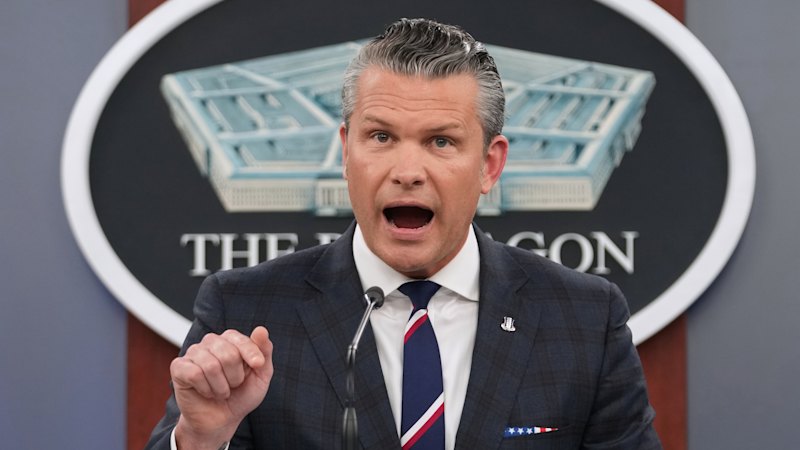
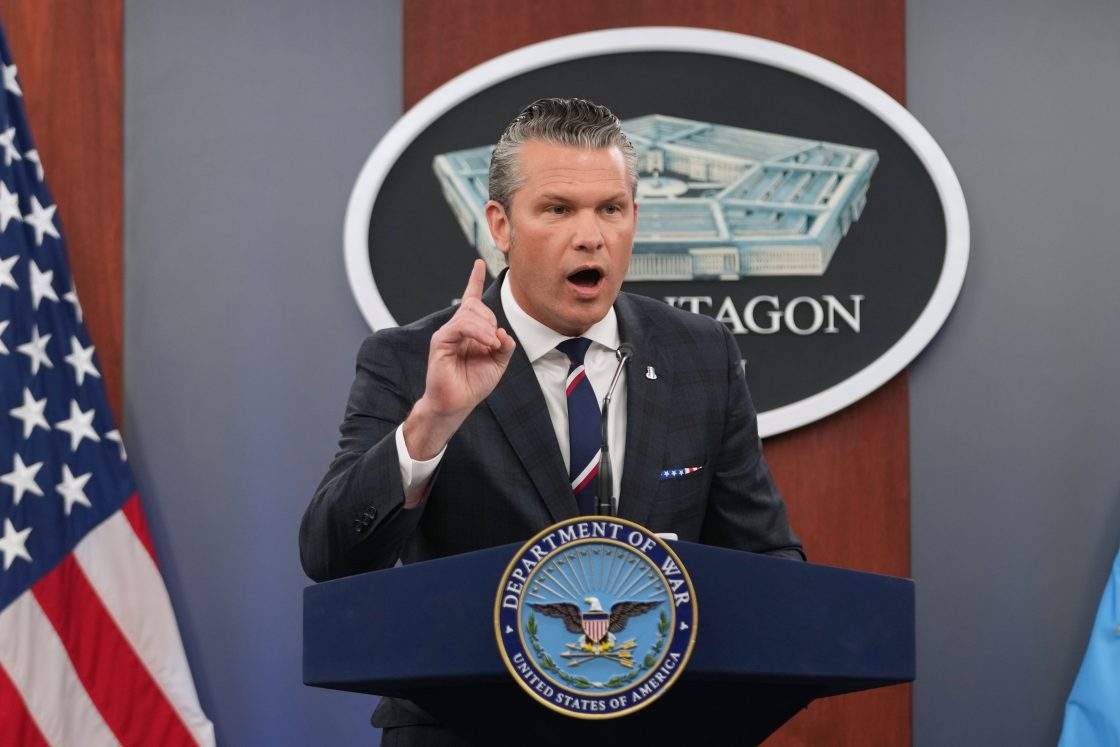
When Defense Secretary Pete Hegseth used that exact phrase to dismiss mounting congressional pushback, he tapped into one of Washington's oldest survival tactics. Frame a legal or constitutional crisis as mere partisan bickering, and voters will tune out before the hearings even start. Most people hear "policy disagreement" and immediately think of boring floor debates over tax brackets or highway funding. They don't think of the constitutional standard of high crimes and misdemeanors.
I've watched Capitol Hill messaging wars play out for years, and the playbook rarely changes. The target of an inquiry always tries to shrink the battlefield. If you can convince the public that lawmakers are just mad about how you run your department, you win the narrative war long before a single article of impeachment hits the House floor.
Why the Policy Disagreement Defense Falls Flat
The U.S. Constitution doesn't allow Congress to remove a Cabinet official just because lawmakers hate their strategy. Alexander Hamilton made that clear in Federalist No. 65, warning that impeachment shouldn't become a weapon for routine political disputes. Every constitutional scholar from the Congressional Research Service to the Heritage Foundation agrees on this basic point.
That's precisely why Hegseth chose those words.
By labeling the push against him a matter of policy, he's subtly arguing that Congress is overstepping its constitutional bounds. It's a clever rhetorical trap. If critics accept his framing, they look like sore losers trying to undo executive branch decisions through an extreme constitutional mechanism.
Here's the catch. Bipartisan impeachment efforts almost never materialize over pure policy differences. Washington is far too polarized for members of the president's own party to sign onto an impeachment resolution just because they dislike a Pentagon directive or a budget shift. When lawmakers across the aisle start using the "I-word" at the same time, the underlying friction usually involves oversight stonewalling, statutory violations, or personal conduct that threatens institutional trust.
What Actually Triggers Bipartisan Pushback at the Pentagon
Running the Department of Defense requires navigating a minefield of statutory mandates passed by Congress. Unlike some domestic agencies where a secretary enjoys broad regulatory leeway, the Pentagon operates under strict annual guardrails set by the National Defense Authorization Act (NDAA).
When a Defense Secretary clashes with both parties simultaneously, it usually boils down to a few concrete flashpoints:
- Withholding Congressionally Mandated Information: Congress holds the power of the purse and constitutional oversight authority. Refusing to turn over inspector general reports, operational timelines, or legal memos unites committee chairs and ranking members faster than almost anything else in Washington.
- Unilateral Reprogramming of Funds: Shifting billions of dollars away from projects lawmakers specifically authorized without committee sign-off is a guaranteed way to trigger bipartisan fury.
- Personnel and Chain-of-Command Disruptions: Sudden purges of senior military officers or career civil servants without clear cause alarm defense hawks on both sides of the aisle who view military professionalism as non-negotiable.
- Statutory Non-Compliance: Ignoring explicit reporting requirements or statutory restrictions written into federal law crosses the line from policy preference into potential dereliction of duty.
Notice something about that list? None of those items are mere differences of opinion. They're direct challenges to the separation of powers.
The History of Cabinet Impeachments Shows How Rare This Is
To understand how unusual a bipartisan push against a sitting Defense Secretary really is, look at the historical scoreboard. In the entire history of the United States, the House of Representatives has only impeached two Cabinet secretaries.
The first was Secretary of War William Belknap in 1876. Belknap resigned minutes before the House voted to impeach him over a kickback scheme involving trading post appointments at Fort Sill. Even after his resignation, the House moved forward anyway, and the Senate held a trial before ultimately acquitting him largely because many senators believed they lacked jurisdiction over a private citizen.
The second happened nearly 150 years later, in February 2024, when the House impeached Homeland Security Secretary Alejandro Mayorkas by a razor-thin, strictly party-line vote of 214 to 213. That effort relied almost entirely on Republican votes and stalled out in the Senate without a full trial, with Democrats dismissing it as a purely political dispute over border enforcement.
Look at the contrast between those two cases.
The Mayorkas impeachment lacked bipartisan backing, which allowed critics to argue—with substantial weight—that it was really a policy dispute dressed up in constitutional clothing. When an impeachment push draws support from both parties, that defense evaporates. You don't get bipartisan consensus on impeachment over routine executive branch management.
How Lawmakers Use Impeachment Threats as Leverage
Does a bipartisan impeachment push automatically mean a Cabinet official is headed for a Senate trial? Not necessarily.
In modern congressional politics, impeachment resolutions often function as the ultimate oversight crowbar. Committee leaders know that drafting articles of impeachment forces media coverage, compels witness cooperation, and puts immense pressure on the White House to cut a deal. Sometimes the threat alone is enough to force a document dump, a policy reversal, or a quiet resignation before a formal floor vote ever happens.
Think about how executive branch officials react when standard subpoenas get ignored. Courts take months or years to enforce congressional subpoenas. An impeachment inquiry changes the legal calculus overnight, giving congressional committees vastly stronger standing in federal court to demand documents and testimony.
Hegseth knows this dynamic inside and out. Having spent years analyzing political media before taking the helm at the Pentagon, he understands that public perception dictates how much political capital Congress is willing to burn. If voters believe lawmakers are just whining about policy, the impeachment push runs out of oxygen. If voters see a pattern of stonewalling or misconduct, the pressure becomes unbearable.
How to Spot Spin When Following Congressional Oversight
When you're reading headlines about an impeachment push or a high-stakes congressional showdown, you don't need an insider's badge to separate genuine constitutional friction from routine political theater. Watch the concrete actions rather than the cable news soundbites.
First, look at the committee sign-offs. Are the lawmakers backing the inquiry actual members of the House Armed Services Committee or the Senate Armed Services Committee, or are they backbenchers chasing viral clips? When senior defense appropriators and committee chairs start raising alarms, the substance is real.
Second, track the paper trail. Check whether the dispute involves unanswered subpoenas, missed statutory deadlines under the NDAA, or formal warnings from the Department of Defense Office of Inspector General. Official watchdogs don't issue referrals over simple policy disagreements.
Third, watch the White House press briefing room. When a president's team stands firmly behind a Cabinet secretary without hedging, the official is safe for the moment. The instant surrogates start using phrases like "the secretary is focused on doing the job" while declining to guarantee their long-term tenure, the political math has shifted.
Pay attention to who is actually signing onto the formal resolutions in the Congressional Record over the next few weeks, because those names will tell you far more about Hegseth's political survival than any talking point ever could.