When a massive 700-person street takeover paralyzed the Harbor Gateway intersection of South Figueroa Street and West Alondra Boulevard, the participants believed they were following a well-worn playbook. For years, illegal sideshows and street racing gatherings across Los Angeles have operated with relative impunity, relying on decentralized social media channels to swarm public asphalt, perform dangerous donuts, and vanish before law enforcement could assemble a meaningful response.
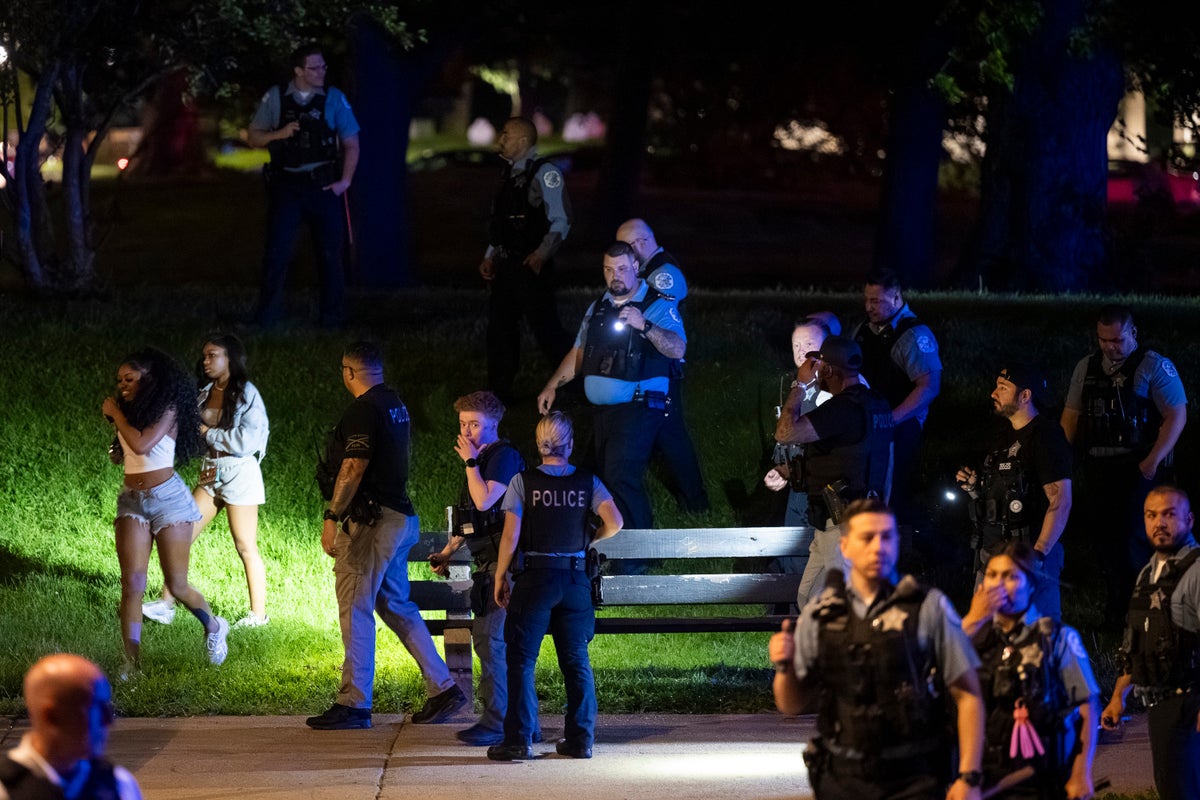
This time, the Los Angeles Police Department executed a massive coordinated trap known as Operation Street Sweeper. More than 150 officers, backed by the Los Angeles County Sheriff's Department and the California Highway Patrol, completely boxed in the perimeter. They did not merely disperse the crowd; they trapped vehicles, documented spectators, and fundamentally shifted the tactical paradigm of modern urban policing against organized vehicular chaos. Nearly 70 individuals were arrested, over 500 citations were issued, and approximately 200 vehicles were impounded in a single sweeping operation.
Declaring that "this is only the beginning," LAPD Chief Jim McDonnell signaled a definitive departure from passive monitoring to aggressive containment. Yet, beneath the surface of this tactical victory lies a complex urban crisis rooted in shifting youth culture, technological coordination, and the strained limits of municipal resources. To understand why these illegal gatherings persist and whether recent enforcement measures will hold, one must examine the mechanics driving this underground phenomenon.
The Anatomy of a Modern Sideshow
Street takeovers have evolved from localized gatherings of car enthusiasts into highly organized, semi-criminal flash mobs. Social media algorithms, encrypted messaging apps, and burner accounts allow organizers to coordinate hundreds of drivers within minutes. Locations are often kept secret until the final moments, broadcast via drop pins that activate massive convoys converging from across Southern California.
The appeal goes beyond raw horsepower. For the hundreds of spectators lining the curbs—many of them juveniles caught in weekend curfew sweeps—these events offer an illicit spectacle broadcastable to global audiences through short-form video platforms. The danger is part of the draw. Tires scream against pavement, nitrous oxide is vented into the night air, and temporary zones of lawlessness are established where municipal authority is openly defied.
Critics of traditional policing argue that standard patrol units are poorly equipped to handle these crowds. A single cruiser arriving at an intersection dominated by hundreds of hostile individuals can quickly become a target for thrown bottles, fireworks, and physical intimidation. Without overwhelming numbers and aerial surveillance, officers are often forced to hang back, recording the chaos rather than stopping it. Operation Street Sweeper discarded that hesitation through sheer force concentration, deploying drones to track fleeing suspects and blocking escape routes before the crowd realized they were surrounded.
The Collateral Damage of Lawlessness
The romanticized portrayal of street racing as harmless rebellion collapses entirely when confronted with its neighborhood impact. Residents living near major intersections in South Los Angeles and Harbor Gateway have endured years of sleepless weekends, property damage, and severe safety hazards.
Beyond the noise and destroyed asphalt, these gatherings have increasingly bled into property crimes. Recent investigations by the Los Angeles County Sheriff's Department revealed connected incidents where crowds from street takeovers swarmed and looted nearby retail storefronts, such as auto parts shops, turning vehicular disruption into coordinated theft.
Public safety officials also point to the high volume of minors involved. During the Harbor Gateway operation, authorities cited more than 100 juveniles for curfew violations, highlighting a troubling disconnect in parental oversight. When children as young as eleven years old stand feet away from multi-ton vehicles spinning out of control at high speeds, the risk of catastrophic injury or death is mathematically guaranteed over time. Seven firearms were seized during the recent raid alone, emphasizing that these asphalt arenas frequently intersect with broader violent crime and illegal gun possession.
The Limits of Mass Impoundment
While towing two hundred vehicles and arresting dozens of participants delivers an undeniable message, criminal justice analysts note that enforcement alone cannot permanently eradicate the subculture. Impounding cars creates significant logistical hurdles for municipal impound lots, and many seized vehicles are eventually reclaimed by their owners after heavy fines and legal fees are paid.
Furthermore, displacement remains a constant threat. When pressure mounts in one jurisdiction, organizers simply shift their routes across county lines or into neighboring municipalities with different enforcement priorities. True deterrence requires a multi-pronged approach that targets the financial, digital, and social foundations of the movement.
Law enforcement agencies are increasingly turning to digital forensics, tracking the social media accounts of prominent organizers who profit from the notoriety of these events. Investigators are building criminal conspiracy cases against the ringleaders rather than focusing solely on individual drivers caught spinning donuts. Legislation targeting the online promotion of illegal speed contests is also gaining traction among state lawmakers seeking to hold content creators and promoters legally liable for the chaos they orchestrate online.
As the smoke cleared from the Harbor Gateway intersection, the long-term effectiveness of the city's aggressive new posture remained an open question. The determination of municipal leaders to reclaim public spaces from vehicular anarchy is clear, but the underground network driving these events continues to adapt. The battle for the streets of Los Angeles has entered a new phase, and the asphalt remains contested ground